
Comprehensive Squatters Cleaning Guide On The Internet
Understanding Squatting: What It Is and How It Impacts Communities
Squatting is a term that often conjures up strong opinions and emotions, whether it’s in relation to residential or commercial properties. It’s a practice that can involve a wide variety of individuals, from those facing homelessness to those seeking to protest or occupy abandoned buildings for other reasons. In this blog post, we’ll take an in-depth look at what squatting is, the types of squatters, the legal aspects, the challenges it presents, and how it impacts communities across the UK.
What Is Squatting?
At its core, squatting refers to the act of occupying an empty or abandoned property without the legal right to do so. Squatters may take residence in a property that is vacant, sometimes without any permission or agreement from the owner. Although squatting has been illegal in many countries for some time, it still remains a significant issue in parts of the UK.
Squatting can occur in residential properties, office buildings, or even warehouses. In some cases, squatters may occupy these buildings in protest, seeking to draw attention to housing issues or to express political views. In other cases, squatting may be a means of survival for individuals facing homelessness, as they may seek shelter in abandoned properties that would otherwise go unused.
Types of Squatters
There are various types of squatters, and the reasons behind their decision to squat can vary. Below are some of the most common categories:
- Homeless Squatters: Individuals or families who squat due to homelessness are often the most vulnerable group. They may find themselves in a difficult situation where they have nowhere else to go, and squatting becomes their only option for shelter. This group may occupy vacant buildings in urban or rural areas, often without any intention of causing harm or damage.
- Protest Squatters: These squatters occupy properties as a form of protest or civil disobedience. For example, they might squat in a property that is being left abandoned by a corporation or government in order to draw attention to issues like housing inequality, gentrification, or social injustice.
- Commercial and Vacant Property Squatters: Some squatters target vacant commercial or industrial buildings. They may squat in these properties for longer periods of time, sometimes with the intention of reclaiming or repurposing the building for community use, such as for art projects or co-operative spaces. These types of squatters are more likely to engage in longer-term occupation.
- Opportunistic Squatters: Some individuals may squat in abandoned properties simply because they come across an opportunity. These squatters may not be facing homelessness but may be looking for a place to stay without paying rent. They may not engage in protest or activism but instead see squatting as a temporary solution.
Is Squatting Legal?
The legality of squatting varies depending on the type of property and the country in question. In the UK, squatting laws are quite clear. Squatting in a residential property is illegal. Under the Legal Aid, Sentencing and Punishment of Offenders Act 2012, squatting in a residential building became a criminal offence. Individuals who squat in a residential property can face up to 6 months in prison or a fine if convicted.
However, squatting in commercial or non-residential properties is not criminalised in the same way. While it’s still an illegal activity under common law, squatters in these types of buildings may not face the same immediate criminal charges as those squatting in homes. Landlords of commercial properties have to go through a civil process to remove squatters, and it may take longer for the eviction process to be enforced.
The Impact of Squatting on Communities
Squatting can have a significant impact on communities, both positive and negative. For those who choose to squat, it may be seen as a necessary act of survival or a form of protest. However, for property owners, local councils, and residents, the presence of squatters can pose significant challenges.
Negative Impacts:
- Safety Concerns: Squatting can lead to safety risks for both the squatters and the surrounding community. In some cases, properties that have been squatted in may become damaged or vandalised. Squatters often lack the means to maintain the properties they occupy, which can lead to dangerous living conditions.
- Property Damage: Many squatters do not have the resources to properly care for the properties they occupy. This can result in damage to the structure of the building, such as broken windows, damaged plumbing, or fire hazards. This kind of damage can be costly for property owners and may reduce the overall value of the property.
- Neighbourhood Issues: Squatting can often cause tension between squatters and local residents. In some cases, neighbours may feel unsafe or uncomfortable knowing that individuals are living in abandoned properties. Squatters can also be associated with anti-social behaviour, noise disturbances, and general unhygienic living conditions.
- Legal and Financial Issues: Property owners can face considerable legal costs and delays in evicting squatters from their properties. These costs can be substantial, especially if squatters refuse to leave voluntarily. In cases where squatters cause significant damage to the property, property owners may also face the burden of paying for repairs.
Positive Impacts:
- Revitalisation of Abandoned Spaces: Some squatters work to maintain and revitalise abandoned buildings. In certain urban areas, squatters have converted vacant properties into community spaces, art galleries, or temporary housing, which can bring new life to derelict neighbourhoods.
- Raising Awareness of Housing Issues: In some instances, squatting can draw attention to the issue of housing shortages or the misuse of vacant properties. Activist squatters, in particular, may use squatting as a way to highlight the lack of affordable housing in certain areas and to protest against gentrification or housing inequality.
How To Deal with Squatters: What Property Owners Should Know
If you’re a property owner and you have discovered squatters on your premises, it’s important to know your legal rights and the steps to take. In most cases, the first step is to contact your local authorities or a solicitor for advice. In the UK, landlords may need to go through a civil process to remove squatters from commercial properties, while residential squatters can be removed through criminal proceedings.
For landlords and property owners, it’s also important to take preventative measures to avoid squatting in the first place. Securing your property, regularly inspecting it, and ensuring that it is clearly marked as private can help deter squatters from occupying the space.
Squatting remains a complex issue that can have varying consequences depending on the situation. While it’s often associated with homelessness or activism, it can create significant challenges for property owners, local councils, and communities. For those considering squatting, it’s important to be aware of the legal implications and to seek alternatives where possible. For property owners, understanding the legal framework and knowing how to respond to squatters is key to protecting your property and the well-being of the surrounding community.

How Landlords Can Legally Evict Squatters in the UK
Squatting can present significant challenges for landlords in the UK, especially when squatters occupy a property without permission. While squatting in residential properties became a criminal offence under the Legal Aid, Sentencing and Punishment of Offenders Act 2012, landlords need to understand the correct legal procedures to remove squatters, as well as what constitutes illegal eviction.
Evicting Squatters from Residential Properties
Since 2012, squatting in residential properties is illegal, and landlords have several options to remove squatters from a property legally:
- Contact the Police:
Squatting in residential properties is a criminal offence, and the police can intervene. If you find squatters in your property, the first step is to report the situation to the police. Law enforcement can then take action to remove the squatters and prosecute them under the criminal law.- Evidence: Ensure you have evidence that the property is residential (e.g., utilities or living arrangements) and that squatters are occupying it without consent.
- Police Action: The police may arrest squatters or issue a removal order. The process can be relatively swift for residential properties, and squatters may be evicted immediately.
- Apply for an Injunction:
If squatters do not vacate the property after the police are called, landlords can apply for a court injunction. This legal order will require the squatters to leave the property, and if they fail to comply, they could be held in contempt of court.- Process: Apply to the county court for an injunction and, if granted, request enforcement by bailiffs if necessary. This is generally a longer process but is still an option if squatters resist police action.
- Use the Criminal Procedure:
As a last resort, landlords may consider using criminal proceedings under Section 144 of the Legal Aid, Sentencing and Punishment of Offenders Act 2012, which makes squatting in residential buildings illegal. This would involve contacting the police and the authorities to begin legal proceedings.
Evicting Squatters from Commercial Properties
Squatting in non-residential properties (commercial, industrial, or unused buildings) is not a criminal offence under UK law. However, landlords still have options for eviction:
- **Serve a Notice to Quit:
Landlords can issue a Notice to Quit to squatters on commercial properties. This gives squatters notice to vacate the premises, but squatters are not legally required to leave at this stage. Therefore, landlords may need to pursue legal action through the courts. - Seek Possession Through Court:
If squatters refuse to vacate, the landlord can apply for a possession order from the court. This order gives the landlord the right to repossess the property. The landlord may also request a warrant for eviction to remove the squatters by bailiffs.- Possession Order: A possession order allows the landlord to legally regain control of the property, and the process can take several weeks to complete.
- Injunctions:
Landlords can apply for an injunction through the courts. This injunction legally compels squatters to leave the property. Landlords may also apply for an order of removal to enable enforcement. - Illegal Eviction or Harassment:
If squatters refuse to leave, landlords must follow due process and cannot resort to self-help measures, such as forcibly removing squatters or changing locks. Such actions can lead to criminal charges or a civil lawsuit for illegal eviction.
What is Considered Illegal in Evicting Squatters?
While landlords do have legal methods for evicting squatters, there are specific actions that are deemed illegal and should be avoided:
- Harassment or Intimidation:
It is illegal for a landlord to harass squatters or intimidate them into leaving the property. This includes actions such as threatening behaviour, blocking access to essential services (e.g., water, gas, electricity), or making the squatters feel unsafe in the property. Any form of harassment can result in a legal claim against the landlord for harassment under the Protection from Harassment Act 1997. - Forcibly Removing Squatters:
Landlords cannot use force to remove squatters or physically evict them from the property. For example, locking squatters out or using security personnel to forcibly remove them is illegal and could result in criminal charges for illegal eviction. In the case of residential properties, squatting is a criminal offence, but self-help methods of eviction are still illegal. - Changing Locks Without Notice:
It is illegal for a landlord to change the locks of a property while squatters are still occupying it without following the legal procedure for eviction. Squatters are entitled to a fair legal process for eviction, even if they are illegally occupying the property. If a landlord changes locks without permission from the court or an order from the police, this is considered an illegal eviction. - Using Force to Enter the Property:
Similarly, landlords cannot enter the property by force or without following due process. For example, a landlord cannot break down doors or enter the property illegally to remove squatters or collect belongings. - Failure to Follow Court Orders:
If a court grants an eviction order or possession order, landlords must follow the prescribed legal processes to ensure they do not breach any laws. Failure to follow a court order could result in legal repercussions.
Squatting is a serious issue for landlords, but it’s important to approach the situation with legal knowledge and a clear understanding of the laws and procedures involved. In residential properties, squatting is illegal, and the eviction process can involve police intervention or court action. For commercial properties, while squatting is not criminalised, landlords still have legal rights to seek possession through civil processes.
Landlords must be aware of the legal boundaries when dealing with squatters to avoid any illegal eviction practices. The key is to follow the correct legal process, whether by contacting the police for residential squatting or pursuing legal action through the courts for commercial squatting. By doing so, landlords can protect their property while respecting the legal rights of all parties involved.

Health Risks Associated with Squatters Living in Properties
Squatting is a situation where individuals or groups occupy an empty or abandoned property without the owner’s permission. While the issue of squatting may seem like a legal or property management concern, it also brings several health risks that can affect both the squatters themselves and anyone who comes into contact with the property. The health consequences of squatting are numerous, ranging from the impact on physical health to mental well-being, due to unsanitary conditions, exposure to hazardous materials, and other environmental factors.

1. Unsanitary Living Conditions
One of the most pressing health risks posed by squatters is exposure to unsanitary living conditions. Squatters often occupy properties that have been neglected or left vacant for extended periods. These buildings may have broken plumbing, damaged sewage systems, and a lack of basic sanitation. The absence of proper waste disposal and hygiene facilities increases the likelihood of health issues such as:
- Infections: Contaminated water, food, and surfaces can lead to bacterial and viral infections. Squatters are more susceptible to illnesses like gastroenteritis (caused by food or water contamination), salmonella, and E. coli infections, which are common in unhygienic environments.
- Skin Conditions: Living in dirty, damp environments can cause various skin issues, including rashes, fungal infections like athlete’s foot, and eczema. Poor sanitation leads to an increased risk of infestations like fleas, lice, and scabies.
- Respiratory Problems: Damp and mouldy conditions are common in squatted properties, contributing to respiratory issues such as asthma, bronchitis, and other chronic lung diseases. Mould spores can trigger allergies and lead to respiratory infections, particularly in those with compromised immune systems.
2. Exposure to Toxic Substances
Many properties that are subject to squatting are often older buildings that may have been constructed before regulations regarding materials like asbestos and lead were introduced. Exposure to hazardous substances is a significant risk in these situations:
- Asbestos: Some older buildings, particularly those built before the 1980s, may contain asbestos, a mineral used in building materials for insulation and fireproofing. When disturbed, asbestos fibres can be inhaled, causing serious long-term health problems such as asbestosis, lung cancer, and mesothelioma. Squatters often unknowingly disturb asbestos while making makeshift repairs or attempting to create living spaces.
- Lead Paint: In older properties, lead-based paints may still be present. Inhaling lead dust or ingesting lead-contaminated particles can cause lead poisoning, which can result in developmental issues in children, as well as neurological damage, kidney problems, and digestive issues in adults.
- Chemicals and Hazardous Waste: Many squatters may live in abandoned warehouses or commercial buildings where hazardous chemicals are stored or improperly disposed of. This may lead to accidental exposure to toxic substances such as industrial solvents, paints, and cleaning agents. These substances can cause skin burns, respiratory issues, and other serious health concerns.
3. Mental Health Implications
Living in a squat can have significant mental health impacts, both for squatters and those who come into contact with the property. Many individuals who resort to squatting are vulnerable or facing extreme hardship, which can lead to increased stress, anxiety, and depression. The negative effects of living in precarious, unsafe, and unsanitary conditions can compound these mental health challenges.
- Chronic Stress and Anxiety: The uncertainty and instability of squatting can lead to chronic stress. Constant worry about eviction, lack of security, and the inability to access basic amenities can be overwhelming.
- Isolation and Depression: Squatters often live in isolation, away from support networks or social connections. This isolation can contribute to feelings of loneliness and depression. Additionally, the stigma of being a squatter can further exacerbate these mental health issues.
- Trauma: Some squatters may have experienced significant trauma in their lives, such as homelessness, substance abuse, or exposure to violence. Living in an unsafe, unkempt environment can retraumatise individuals, hindering their ability to recover or improve their situation.
4. Risk of Injury or Accidents
Squatted properties are often in disrepair, with exposed wires, broken windows, unstable flooring, and structural damage. The lack of maintenance and basic repairs makes these properties a dangerous place to live, resulting in the following potential injuries:
- Slips, Trips, and Falls: Broken or uneven flooring, loose tiles, and cluttered spaces pose serious risks of trips and falls. Squatters may also be at risk of injuries from poorly constructed makeshift living spaces, such as precarious furniture or unstable DIY repairs.
- Electrical Hazards: Exposed electrical wiring, faulty circuits, or makeshift electrical systems are common in squatted properties, increasing the risk of electric shocks, fires, or even electrocution. The use of candles or unsafe heating sources for warmth or light also heightens the risk of fire-related injuries.
- Structural Collapse: Old and neglected buildings may be at risk of partial or total collapse. Squatters may unknowingly expose themselves to life-threatening risks by occupying areas with weakened roofs, walls, or ceilings.
5. Fire Hazards
Squatters often make use of hazardous methods for heating and cooking, such as using makeshift stoves, open flames, or electrical appliances that are not suited to the environment. This increases the risk of fire within the property.
- Improper Heating: The use of unsafe heating methods, such as portable gas heaters, open flames, or faulty electrical appliances, can cause fires. Many squatted properties lack proper smoke alarms, which further exacerbates the risk of fire-related injuries or fatalities.
- Blocked Fire Escapes: In some cases, squatters may block fire exits or create barriers that hinder their ability to escape in case of a fire, which can lead to fatal consequences.
6. Pest Infestations
Squatted properties can quickly become breeding grounds for pests, which carry diseases and pose significant health risks. Common pests found in these environments include:
- Rodents: Mice and rats are attracted to unclean environments, particularly those with food waste. These pests can spread diseases such as salmonella, leptospirosis, and hantavirus.
- Insects: Cockroaches, bedbugs, fleas, and lice thrive in unsanitary conditions. These pests can cause allergic reactions, skin irritations, and transmit diseases like typhus and bubonic plague.
- Parasites: Squatters may also be at risk of parasitic infections such as scabies and worms, which are often spread by close contact or poor hygiene.
The health risks associated with squatting are vast and multifaceted, impacting the physical, mental, and emotional well-being of both squatters and the wider community. The unhygienic, unsafe, and often hazardous conditions found in squatted properties can lead to a range of illnesses, injuries, and long-term health consequences. It is essential for squatters to seek assistance in finding appropriate housing and support, and for property owners or landlords to be aware of the risks posed by squatters and take the necessary steps to ensure that their properties are secure and well-maintained.
By understanding these health risks, landlords, local authorities, and communities can work together to mitigate the negative effects of squatting and provide safe, healthy living conditions for those in need.
Comprehensive Guide to Squatters Cleaning Services
Squatting, the act of occupying an abandoned or vacant property without permission, is a growing issue across many cities in the UK. While squatting can lead to numerous legal and property-related concerns, one of the most pressing issues for property owners, landlords, and managers is the aftermath—squatters cleaning. Properties occupied by squatters often face serious hygiene and safety risks that can have long-term consequences for the property and its owners. Professional squatters cleaning services are essential for restoring properties to a safe and habitable condition.
In this comprehensive guide, we’ll explore all aspects of squatters cleaning, from the potential risks and health hazards to the cleaning services available and the benefits of hiring a professional cleaning company.
What is Squatting?
Squatting refers to the practice of occupying a property without the owner’s permission. Squatters may occupy both residential and commercial buildings, often in abandoned or uninhabited spaces. In many cases, squatters gain entry to properties through unsecured doors or windows and may remain in the building for extended periods.
While the act of squatting itself is often associated with homelessness, it can also be a result of protest or the lack of affordable housing. However, squatters are not typically concerned with maintaining the property they occupy. This can lead to unsanitary conditions, health risks, and damage to the property itself.
Health Risks Associated with Squatting
Before addressing the cleaning process, it’s important to understand the health risks that come with squatting. A squatted property is typically neglected and poorly maintained, leading to a variety of potential hazards:
- Hygiene Issues: Squatters often do not have access to adequate sanitation facilities. As a result, properties can become infested with waste, including human excrement, discarded food, and rubbish. This creates unsanitary conditions that increase the risk of disease transmission.
- Pest Infestations: The lack of cleanliness in squatted properties can lead to infestations of pests like rodents, cockroaches, fleas, and bedbugs. These pests can carry diseases and cause severe allergic reactions or skin infections.
- Structural Damage: Squatters may alter the property to make it more liveable, which can lead to structural damage. Broken windows, damaged electrical wiring, and uninsulated walls are common issues. This can present safety risks for future occupants or cleaning crews.
- Exposure to Hazardous Materials: Older buildings may contain hazardous materials such as asbestos, lead-based paints, or toxic cleaning products. Squatters may inadvertently disturb these materials, leading to exposure to toxic substances.
What Does Squatters Cleaning Involve?
Squatters cleaning is a specialized service aimed at cleaning and sanitizing properties that have been abandoned or illegally occupied. The cleaning process involves removing rubbish, sanitising surfaces, repairing damage, and ensuring the property is safe for future use. Here’s a detailed breakdown of what’s involved in a typical squatters cleaning service:
- Property Assessment and Risk Assessment: Before the cleaning begins, a thorough assessment of the property is carried out to identify health risks, safety hazards, and the extent of the damage. This is a critical step in determining the appropriate cleaning and restoration methods. Health and safety guidelines will be followed to ensure the safety of the cleaning crew and others involved.
- Rubbish and Waste Removal: The first step in the cleaning process is to remove any rubbish, waste, or belongings left by the squatters. This includes old furniture, discarded food, trash, and personal items. The cleaning crew will sort through the debris, making sure hazardous waste is disposed of in accordance with legal requirements.
- Disinfection and Sanitisation: Squatters often create environments where bacteria, viruses, and other pathogens thrive. The cleaning crew will disinfect all surfaces, including walls, floors, and countertops, using professional-grade cleaning agents. This helps to remove harmful bacteria and prevent the spread of disease.
- Odour Removal: Squatters often live in unsanitary conditions, leading to unpleasant odours from waste, mildew, or other organic matter. Odour removal is a crucial part of squatters cleaning. This can be done through professional deodorising agents, ozone treatments, or fogging techniques to neutralise smells and leave the property smelling fresh.
- Deep Cleaning and Restoration: Depending on the level of damage, the cleaning crew may need to perform deep cleaning, including pressure washing floors, deep-cleaning carpets, and removing stains. In some cases, restoration may be required for damaged areas, such as walls, windows, or plumbing. This can also involve repairing or replacing broken appliances or fixtures.
- Pest Control and Extermination: If a property has been overrun by pests, the cleaning service will include pest control as part of the process. This can involve fumigation, trap setting, or other professional pest control methods to eradicate pests and prevent future infestations.
- Waste Disposal: All waste, including hazardous materials such as chemicals, old food, and biological waste, will be disposed of in compliance with local waste disposal laws. Biohazardous waste should be handled with special care, following proper protocols for safety and environmental protection.
- Final Inspection: After the cleaning process is complete, a final inspection is carried out to ensure that all areas of the property have been adequately cleaned, disinfected, and restored. Any remaining issues or repairs will be addressed before the property is deemed safe for future use.
Why Hire a Professional Squatters Cleaning Service?
Cleaning up after squatters is not a job for just any cleaning company. Professional squatters cleaning services are specialised and require expertise in dealing with the unique challenges posed by these properties. Here’s why hiring a professional service is essential:
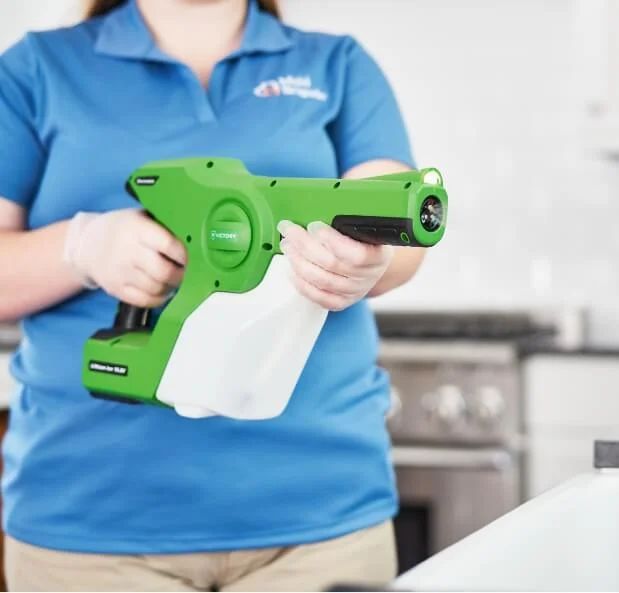
- Health and Safety Compliance: Professional cleaning services follow strict health and safety guidelines, ensuring that all cleaning processes are conducted in a safe manner. They also have the proper protective equipment (PPE) to avoid exposure to hazardous materials, diseases, or harmful bacteria.
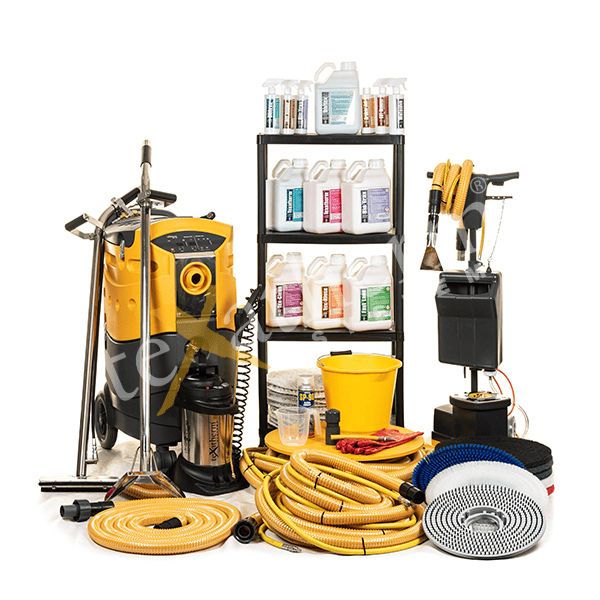
- Efficient and Thorough Cleaning: Squatters cleaning requires in-depth knowledge and experience to ensure all areas of the property are properly sanitised. A professional service will use state-of-the-art equipment and eco-friendly cleaning products to ensure a thorough clean.
- Risk of Liability: Cleaning a property occupied by squatters can expose individuals to various risks, including encountering biohazards, chemicals, or damaged property. A professional cleaning company is fully insured to handle these risks and protect both the property owner and their staff.
- Time and Cost-Effective: Hiring a professional cleaning company saves you time and money in the long run. They have the tools and expertise to complete the job quickly and efficiently, which can save you the costs associated with prolonged cleaning or legal disputes with squatters.
- Discretion and Sensitivity: Squatters cleaning requires a great deal of sensitivity, as squatters often come from vulnerable backgrounds. Professional cleaning companies are trained to approach these situations with compassion, ensuring that the cleaning process is non-judgemental and discreet.
Benefits of Professional Squatters Cleaning Services
- Rapid Response: Squatters cleaning services can typically be arranged on short notice, ensuring that the property is cleaned and restored as quickly as possible.
- Comprehensive Service: A professional cleaning service can offer a full range of services, including deep cleaning, decontamination, odour removal, and pest control.
- Expertise: The cleaners are trained in handling biohazards and hazardous materials, ensuring that the property is safe to reoccupy once the cleaning is complete.
- Legal Compliance: Professional cleaners follow local and national regulations regarding the disposal of waste, hazardous materials, and biohazards, ensuring compliance with UK laws.
Squatters cleaning is a critical service for property owners and landlords looking to restore their property to a habitable and safe condition. The process involves a thorough cleaning, sanitisation, and restoration to remove the risks posed by pests, debris, and biohazards. Hiring a professional squatters cleaning company ensures the job is done safely, effectively, and in compliance with UK law.
If you are dealing with the aftermath of squatting in your property, it’s essential to enlist the help of experienced professionals who can tackle the issue with care, efficiency, and respect. Ensure that your property is safe, clean, and ready for future use by investing in professional squatters cleaning services today.
Detailed Squatters Cleaning Checklist for Residential, Commercial, and Industrial Properties
Squatters can leave a significant amount of mess, debris, and damage in their wake, and restoring a property to a safe and habitable condition requires a thorough and methodical approach. The cleaning process for residential, commercial, and industrial properties may vary slightly based on the size of the property and the severity of the damage. However, there are several key steps involved in any squatters cleaning job.
The following checklist covers all aspects of squatters cleaning services, ensuring the property is properly sanitised, restored, and ready for future use.
1. Initial Property Assessment and Risk Evaluation
- Assess Property Condition: Inspect the property to evaluate the extent of the damage, filth, and hazards. Identify any structural issues, visible biohazards, pest infestations, and potential risks.
- Health and Safety Considerations: Ensure that all necessary health and safety protocols are in place before starting the cleaning process. This includes the use of appropriate PPE (personal protective equipment) and risk assessment for biohazards, hazardous materials, and pests.
- Pest Control Inspection: Identify any infestations such as rodents, bed bugs, fleas, or cockroaches. Pest control measures should be incorporated into the cleaning plan.
- Identify Biohazards: Look for potential biohazards such as human waste, needles, blood stains, or other biological contaminants. These require specialised cleaning and decontamination services.
2. Waste and Debris Removal
- Rubbish Removal: Remove all items left behind by squatters, including old furniture, clothing, and rubbish. This includes non-hazardous items and general waste that needs to be cleared from the property.
- Personal Items Removal: Dispose of any personal belongings that do not belong to the property owner. If appropriate, these items may be documented or stored for legal reasons.
- Biohazardous Waste Disposal: Any biological waste, including human waste, bodily fluids, or used needles, must be handled and disposed of by licensed professionals in compliance with UK laws.
- Hazardous Materials Removal: Properly dispose of hazardous materials such as chemicals, cleaning products, or old medications that could pose a health risk. Ensure that hazardous waste is disposed of at an authorised facility.
3. Deep Cleaning and Sanitisation
- Surface Cleaning: Thoroughly clean all surfaces in the property, including walls, floors, ceilings, counters, windows, and doors. Use industrial-grade cleaning agents that meet safety standards.
- Disinfection and Sanitisation: Disinfect high-touch areas such as light switches, doorknobs, and handles. Use hospital-grade disinfectants and sanitisation solutions to kill bacteria, viruses, and pathogens.
- Floor Cleaning: Deep clean carpets, hardwood floors, tiles, and other flooring materials. In the case of heavy contamination, floor coverings may need to be replaced.
- Upholstery and Fabric Cleaning: Clean any remaining upholstery, furniture, and fabric surfaces. If necessary, professional steam cleaning or dry cleaning may be required to remove odours, stains, or dirt.
- Window and Glass Cleaning: Clean all windows and glass surfaces, ensuring there are no smudges, dirt, or debris left behind. Ensure that the window seals are intact and that any glass that’s been broken is properly disposed of.
4. Odour Removal
- Odour Identification: Identify the sources of any unpleasant odours, which may include waste, mould, or mildew. Squatted properties often develop lingering smells that need to be addressed.
- Deodorisation: Use odour-neutralising agents or ozone treatments to eliminate unpleasant smells from the property. This may include the use of fogging or ozone generators, which can remove persistent odours from carpets, upholstery, and walls.
- Mould and Mildew Removal: If the property has suffered from damp or water damage, mould and mildew can become a major source of odour. Apply anti-mould and anti-fungal treatments to eliminate these growths.
5. Pest Control and Extermination
- Pest Identification: Conduct a full inspection to identify any pest infestations such as rodents, cockroaches, ants, or fleas. Check for signs of droppings, nests, or damage caused by pests.
- Pest Control Treatment: Use professional pest control services to treat the property for any pests. This may include the use of traps, fumigation, or baiting systems to eradicate the infestation.
- Preventative Measures: Seal any cracks, gaps, or holes in the property to prevent future infestations. This is particularly important in older buildings where pests may find easy entry points.
6. Biohazard Decontamination
- Biohazardous Material Removal: Remove any biological materials such as blood, urine, vomit, or bodily fluids. These materials require special handling, cleaning, and disposal by certified biohazard removal teams.
- Sanitisation and Decontamination: After the removal of biohazardous waste, disinfect all affected surfaces to ensure that pathogens are destroyed. Specialised cleaning agents and protocols must be used to eliminate viruses, bacteria, and other harmful microorganisms.
- Decontamination of Air Systems: If the property has air ducts or HVAC systems, ensure these are also decontaminated to prevent airborne pathogens from circulating throughout the building.
7. Structural Repairs and Restoration
- Damage Inspection: Inspect the property for any damage caused by squatters, including broken windows, doors, or structural damage from tampering. Document any damage for insurance purposes.
- Repairs and Restoration: Carry out necessary repairs, such as replacing broken windows, patching up holes in walls, repairing plumbing, and addressing any other damage. Depending on the extent of damage, more extensive restoration may be required.
- Electrical and Plumbing Inspection: Ensure that electrical systems and plumbing are fully functional and safe. Repair any damage caused by squatters, such as faulty wiring, broken pipes, or compromised electrical outlets.
8. Final Inspection and Handover
- Health and Safety Check: Conduct a final inspection to ensure that the property is safe to re-enter. Check for any remaining biohazards, structural issues, or unsanitary conditions that need to be addressed.
- Compliance Check: Ensure that all work is completed in compliance with UK health and safety regulations, particularly for biohazard removal and hazardous waste disposal.
- Handover to Property Owner/Manager: Once all cleaning, restoration, and safety checks are complete, hand the property back to the owner or property manager. Provide a detailed report outlining the work completed, including photographs of the property’s condition before and after the cleaning.
9. Post-Cleaning Advice and Preventative Measures
- Preventative Cleaning Tips: Advise the property owner on steps to take to prevent future squatting or damage to the property. This may include security measures such as better locks, surveillance systems, or fencing.
- Ongoing Maintenance: Recommend regular maintenance, such as periodic checks for pests, plumbing issues, or mould growth, to prevent future problems.
Squatters cleaning requires a comprehensive and meticulous approach, as the aftermath of squatters can involve health risks, significant damage, and a range of hazards. Whether the property is residential, commercial, or industrial, following a detailed cleaning checklist ensures that the property is thoroughly cleaned, sanitised, and restored to its original condition.
If you are dealing with squatters in your property, hiring a professional cleaning company with experience in handling extreme cleaning situations is vital to ensure the property is returned to a safe, habitable condition. Whether it’s waste removal, pest control, biohazard cleaning, or restoration, expert cleaning services will handle the job with care and compliance with all necessary regulations.
Cleaning Materials, Products, and Cleaning Supplies Required for Safe Squatters Cleaning Service
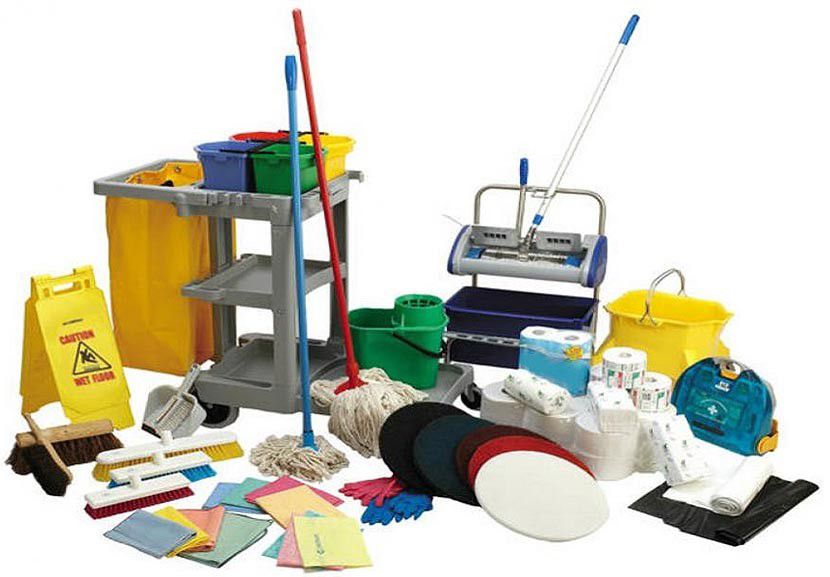
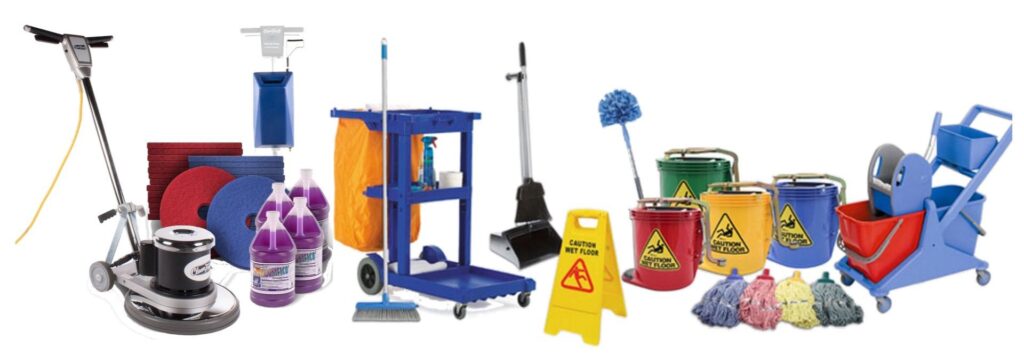
Squatters cleaning is a specialised service that requires the use of effective cleaning materials, products, and state-of-the-art equipment to ensure the property is cleaned, sanitised, and made safe for re-use. Given the range of hazards such as biohazards, pests, filth, and contamination, the right cleaning supplies and personal protective equipment (PPE) are essential for ensuring safety and efficiency during the cleaning process.
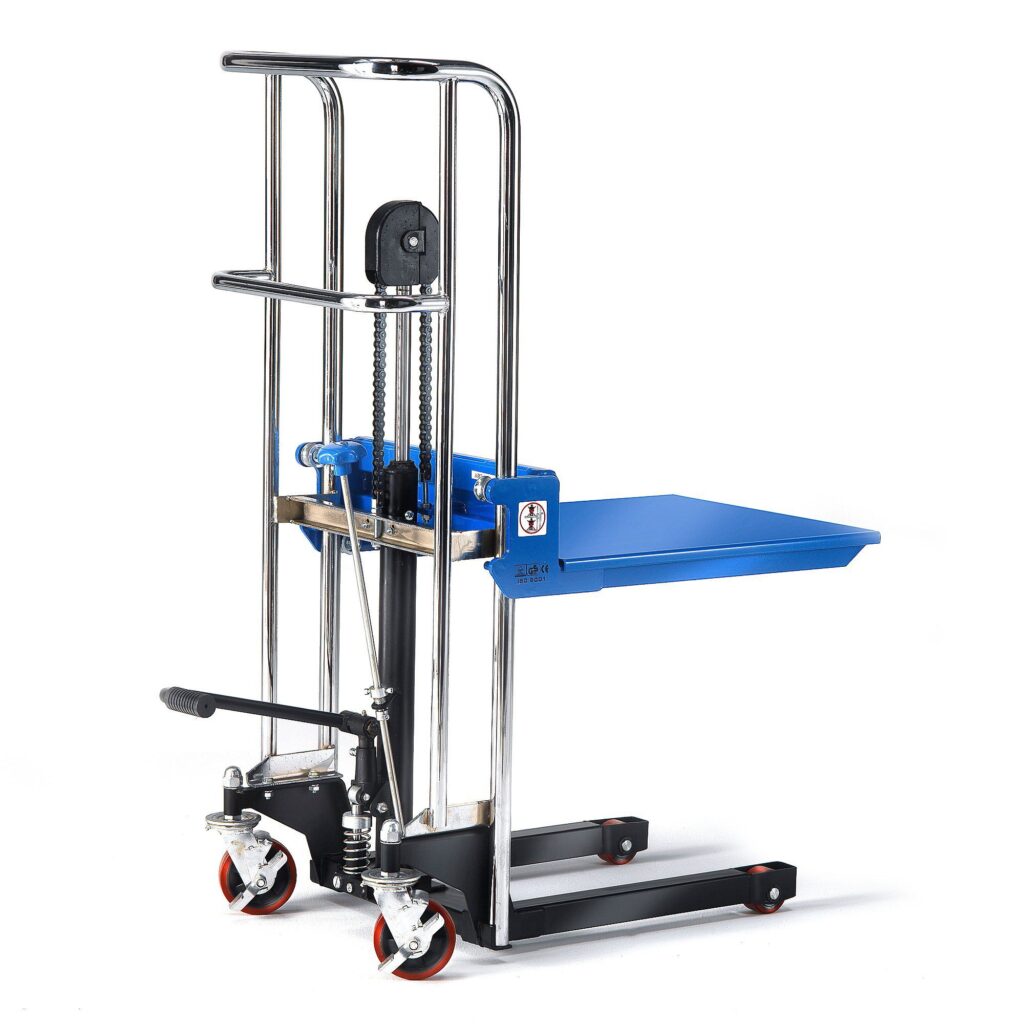
Here is a comprehensive list of the cleaning materials, products, equipment, and PPE/RPE required to carry out a safe and thorough squatters cleaning service:
1. Cleaning Materials and Products
General Cleaning Products:
- Multi-Surface Cleaners: To clean various surfaces like walls, floors, windows, countertops, and furniture. These should be effective against dirt, grime, and surface stains.
- Example: All-purpose cleaner (non-toxic).
- Disinfectants: These products are essential to kill germs, bacteria, and viruses present on surfaces.
- Example: Hospital-grade disinfectants, such as chlorine-based bleach or hydrogen peroxide solutions.
- Deodorisers and Odour Neutralisers: To eliminate unpleasant smells that may result from waste, pests, or damp conditions.
- Example: Odour-neutralising sprays, air fresheners, and ozone generators.
- Antibacterial Cleaners: Specially formulated for sanitising surfaces that are likely to harbour bacteria.
- Example: Antibacterial wipes, sprays, or solutions like Cidex or Bacillol.
- Degreasers: Used to remove oils, grease, or sticky substances from surfaces.
- Example: Citrus-based degreasers or solvent-based products.
- Mould and Mildew Removers: These products target fungal growth often caused by moisture or damp conditions in vacant properties.
- Example: Mould removers with active ingredients like sodium hypochlorite or vinegar.
Specialty Cleaning Products:
- Biohazard Disposal Bags: Used to safely collect and dispose of contaminated items such as needles, bodily fluids, or soiled materials.
- Example: Yellow biohazard waste bags, sharps containers for needles.
- Carpet Cleaners and Upholstery Cleaners: These products are used for cleaning soft furnishings, carpets, and rugs that may have been affected by stains, spills, or filth.
- Example: Hot water extraction (HWE) machines, upholstery foam cleaners, and enzyme-based cleaners for odour removal.
- Antiviral and Antifungal Sprays: These are critical for treating areas that may have been contaminated by viruses, bacteria, or fungi, especially in high-touch areas.
- Example: Antiviral sprays like Virkon or Clorox disinfecting wipes.
- Specialty Grime and Stain Removers: Used to clean surfaces with heavy stains or dirt, particularly on tiles, grout, or floors.
- Example: Heavy-duty stain removers, acid-based tile cleaners for tough grime.
2. State-of-the-Art Squatters Cleaning Equipment
Powerful Cleaning Equipment:
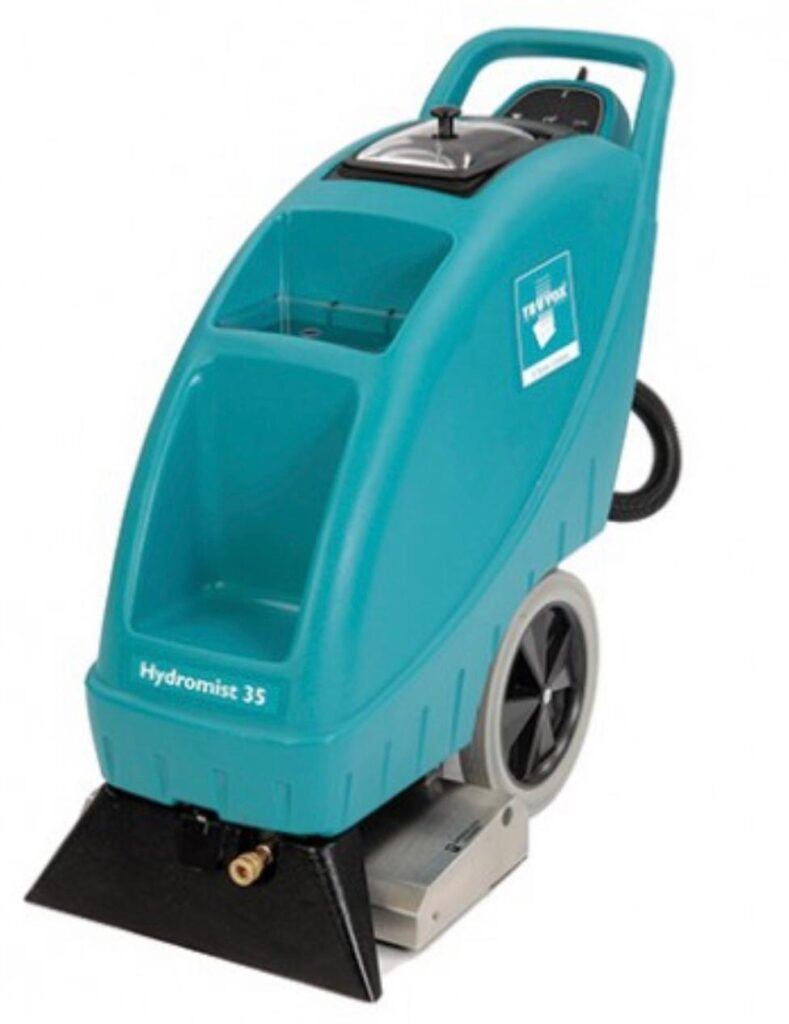
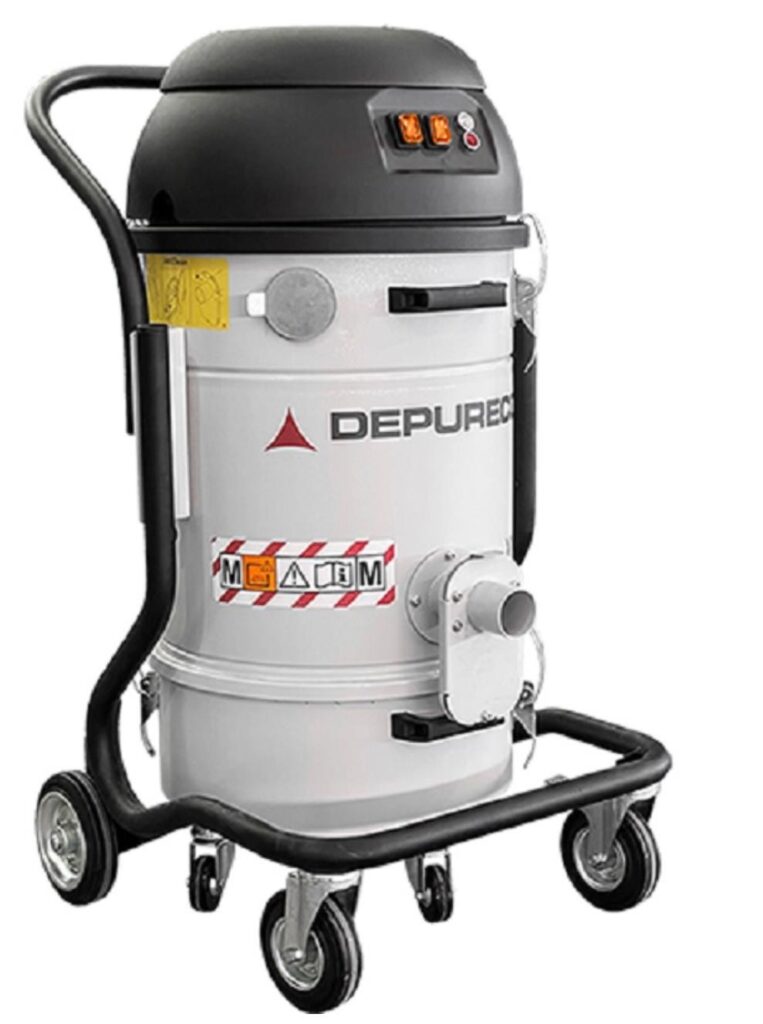
- Industrial Vacuum Cleaners: High-powered vacuums are essential for removing dirt, dust, debris, and other contaminants from carpets, upholstery, and floors.
- Example: Wet/dry industrial vacuums (e.g., Henry or Numatic), or HEPA filter vacuums.
- Steam Cleaners: High-temperature steam cleaners are used to disinfect and clean surfaces without the need for chemicals. They also aid in removing grease, grime, and odours.
- Example: Steam cleaning machines like Karcher or Vax.
- Ozone Generators: These machines release ozone to eliminate odours and bacteria in the air, especially in areas where other deodorising methods have been ineffective.
- Example: Ozone generators (e.g., Ozone Machines or Odorox products).
- Pressure Washers: Used for external cleaning tasks, especially when dealing with graffiti, mould, or large-scale dirt removal from surfaces like brick walls, fences, or patios.
- Example: Jet wash machines with adjustable pressure settings (e.g., Kärcher or Bosch).
- Carpet and Upholstery Cleaners: These are essential for extracting dirt, stains, and liquids from fabric and carpets using hot water extraction (HWE) technology.
- Example: Carpet cleaners such as Prochem or Rug Doctor.
- Air Purifiers: These devices are used to cleanse the air, especially in rooms or properties where there are strong odours or air contaminants.
- Example: HEPA air purifiers or commercial-grade air scrubbers.
Specialist Equipment for Hazardous Waste Removal:
- Sharps Disposal Containers: Necessary for the safe disposal of needles, syringes, or other sharp objects commonly found in abandoned properties.
- Example: Sharps containers or puncture-proof bins.
- Biohazardous Spill Kits: These are required to handle any blood or bodily fluid spills, ensuring that they are dealt with in a safe and efficient manner.
- Example: Biohazard spill kits containing absorbent pads, disposal bags, and disinfectant solutions.
- Drying Equipment: If the property is water-damaged or affected by moisture, dehumidifiers and air movers can help dry out areas that could promote mould and mildew.
- Example: Commercial dehumidifiers (e.g., Dri-Eaz or Phoenix).
3. Personal Protective Equipment (PPE) and Respiratory Protective Equipment (RPE)
Personal Protective Equipment (PPE):
- Gloves: Protective gloves are essential for preventing direct contact with biohazardous materials, dirt, and chemicals.
- Example: Heavy-duty nitrile gloves for protection against chemicals and bodily fluids.
- Coveralls: Full-body suits that provide protection against contaminants such as dust, biological waste, and chemical exposure.
- Example: Disposable Tyvek coveralls or protective suits with elastic cuffs.
- Boot Covers: Used to protect footwear and reduce the risk of contamination when entering or leaving a potentially hazardous area.
- Example: Disposable shoe covers.
- Face Masks and Face Shields: Essential for protecting the respiratory system from airborne contaminants, including dust, biohazards, and odours.
- Example: N95 or FFP3 face masks and full-face shields for extra protection.
Respiratory Protective Equipment (RPE):
- N95 Masks/Respirators: These are critical when cleaning areas affected by biohazards, chemicals, or airborne pathogens. They filter out harmful particles, providing protection for workers.
- Example: FFP2 or FFP3 face masks or full respirators with replaceable filters.
- Powered Air-Purifying Respirators (PAPR): In more hazardous environments, a PAPR system can offer additional respiratory protection.
- Example: Powered respirators with HEPA filters, especially for biohazard clean-up.
- Disposable Respirators: These offer a lower level of protection but are still suitable for standard cleaning tasks when there’s minimal risk of airborne contaminants.
- Example: 3M disposable dust masks.
4. Disposal Equipment
- Waste Disposal Containers: Appropriate containers should be used to store hazardous waste (e.g., biohazard bags, sharps containers) and general debris for safe disposal.
- Example: Yellow biohazard bags, sealed waste containers, or wheelie bins.
- Sealable Trash Bags: Heavy-duty trash bags for non-hazardous waste, debris, and general cleaning waste.
- Example: Large black bags or industrial-strength refuse bags.
Squatters cleaning involves dealing with a variety of hazards, contaminants, and potential biohazards, making it crucial to use the correct cleaning products, state-of-the-art equipment, and proper PPE/RPE. By using high-quality cleaning materials, products, and specialized equipment, cleaning professionals can restore properties to a safe and habitable condition, ensuring the well-being of both the property and those involved in the cleaning process.
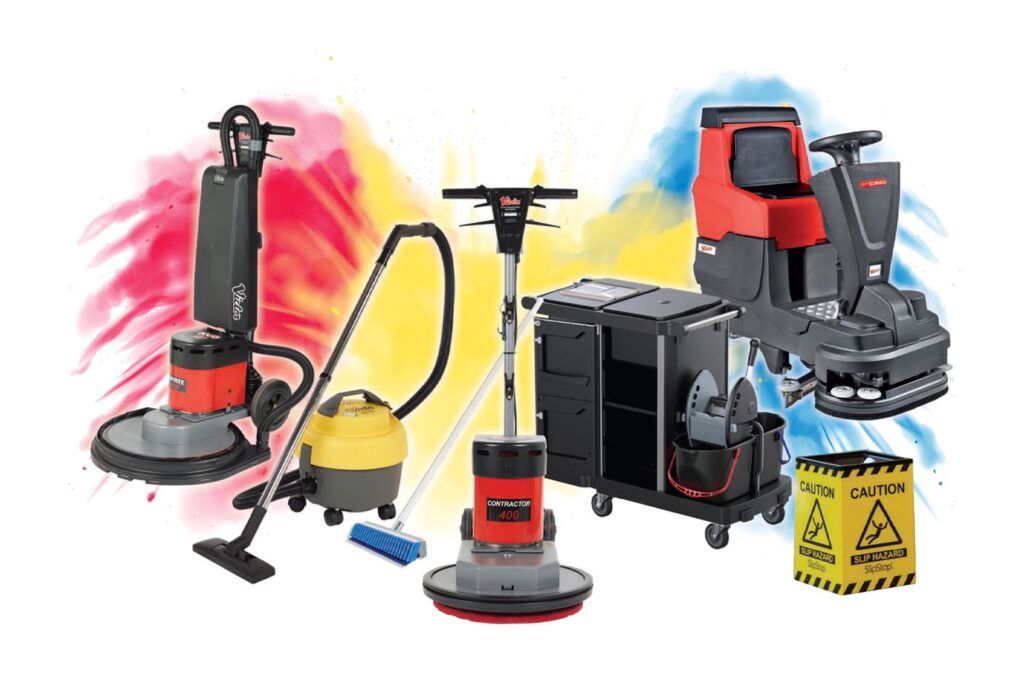
The use of eco-friendly products and the correct handling and disposal of waste are not only essential for the safety of the cleaning crew but also for the long-term health of the property. With appropriate training and the right tools, squatters cleaning can be handled effectively, ensuring compliance with UK laws and the highest industry standards.
How to Adhere to Health and Safety and CSCS Guidelines During Squatters Cleaning Service
When carrying out a squatters cleaning service, whether it is for residential, commercial, or industrial properties, adherence to Health and Safety (H&S) regulations and CSCS (Construction Skills Certification Scheme) guidelines is paramount. Squatters cleaning can expose workers to various hazards, including biological waste, hazardous chemicals, physical debris, and unsafe structural conditions. To protect the health and safety of cleaning teams and ensure compliance with relevant legislation, it is crucial to follow established safety protocols. Below is a comprehensive guide on how to adhere to Health and Safety and CSCS guidelines during squatters cleaning:
1. Risk Assessment and Site Evaluation
Before any squatters cleaning begins, a detailed risk assessment should be carried out to evaluate the potential hazards present on the site. The assessment will guide the implementation of appropriate safety measures.
- Assess Hazards: Identify risks such as exposed electrical wiring, sharp objects, biological contaminants (e.g., bodily fluids, faeces, needles), mould, pests, or structural instability.
- Review Site Conditions: Determine if the property has been left in a hazardous condition (e.g., damaged floors, broken windows, or hazardous materials).
- Develop a Safety Plan: Develop a tailored safety plan based on the site evaluation, outlining key precautions, emergency procedures, and required PPE.
2. Comply with CSCS Guidelines
CSCS (Construction Skills Certification Scheme) is a UK-wide accreditation system that ensures workers have the relevant health and safety knowledge and training for their roles. Squatters cleaning teams must comply with these guidelines.
- CSCS Certification: Ensure that all members of the cleaning crew have a valid CSCS card to demonstrate that they have completed the necessary training, including health and safety courses.
- CSCS Training: Training courses should include:
- Construction and maintenance-specific safety training
- Risk management and hazard identification
- Safe working practices for biohazard and trauma cleaning
- Emergency procedures for dealing with hazardous waste and accidents on-site
- Correct lifting, handling, and waste disposal protocols
3. Use of Personal Protective Equipment (PPE)
The correct PPE is crucial to ensure the safety of workers and to prevent contamination during squatters cleaning. CSCS guidelines, as well as H&S regulations, require the appropriate use of PPE based on the identified risks.
- Gloves: Workers must wear heavy-duty, chemical-resistant gloves (e.g., nitrile gloves) to prevent contact with harmful substances.
- Coveralls: Disposable coveralls or full-body suits should be worn to protect clothing and skin from contaminants.
- Face Protection: Face shields, goggles, or safety glasses should be worn to protect against airborne particles and chemicals.
- Respiratory Protection (RPE): Workers must wear respiratory protection, such as FFP2 or FFP3 masks, especially in areas with poor ventilation or when working with chemicals or biohazardous material.
- Footwear: Steel-toe boots or safety shoes should be worn to prevent injury from sharp objects or debris.
- Hearing Protection: Ear protection, such as earmuffs, may be necessary when operating loud equipment (e.g., pressure washers or vacuums).
4. Handling Hazardous Waste Safely
Squatters cleaning often involves the removal and disposal of hazardous waste, such as biohazards, sharp objects, and chemicals. To comply with health and safety regulations, workers must adhere to strict waste management procedures.
- Biohazard Waste Disposal: Any materials contaminated with bodily fluids, needles, or other biological waste should be disposed of in biohazard bags or sharps containers.
- Chemical Waste: Ensure proper labelling and safe disposal of chemicals, cleaning agents, and solvents used on-site.
- Use Proper Waste Disposal Bins: Hazardous waste should be collected in appropriate containers and disposed of according to local authority regulations.
- Segregation of Waste: Ensure that hazardous and non-hazardous waste are segregated to avoid contamination during disposal.
5. Equipment Handling and Maintenance
Using state-of-the-art equipment is crucial for an efficient squatters cleaning process, but it’s equally important to ensure the equipment is handled and maintained according to safety standards.
- Regular Inspections: Before use, all cleaning equipment (e.g., vacuums, pressure washers, steam cleaners) should be inspected to ensure it is in good working condition.
- Safe Equipment Operation: Only trained personnel should operate specialized cleaning equipment. Proper training ensures workers understand the correct operation and the safety procedures involved.
- Maintenance and Cleaning: Cleaning equipment should be regularly maintained to prevent malfunctions and ensure optimal performance.
- Electrical Safety: Any electrical equipment should be PAT (Portable Appliance Tested) certified. Extension leads and power tools should be used safely to prevent electrocution or fire hazards.
6. Dealing with Potential Structural Hazards
Squatters cleaning often involves the cleaning of properties that may have suffered from neglect, damage, or vandalism. Structural hazards such as unstable flooring, loose electrical wiring, or collapsed ceilings can present risks to workers.
- Structural Assessment: Prior to starting work, assess whether the building is structurally sound. If necessary, seek the advice of a structural engineer to ensure the premises are safe to work in.
- Safe Access: Make sure that safe access routes are identified and maintained during the cleaning process. Avoid working in areas with overhead risks unless safety measures (e.g., scaffolding or harnesses) are in place.
- Signage and Barriers: Set up warning signs, barriers, or safety tape to restrict access to hazardous areas of the property and alert other people to the dangers present.
7. Emergency Procedures and First Aid
Health and safety regulations require all cleaning personnel to be familiar with emergency procedures and to have access to first aid equipment in case of injury.
- First Aid Kits: Ensure that fully stocked first aid kits are available on-site, and all personnel are trained in basic first aid.
- Emergency Exits: Workers must be made aware of the nearest emergency exits in case of fire or other emergencies.
- Accident Reporting: Any accidents or incidents must be documented and reported immediately to supervisors or the relevant authorities.
8. Effective Communication
Clear and continuous communication is critical during squatters cleaning services to ensure safety and proper management of the worksite.
- Pre-Cleaning Briefing: Prior to beginning the cleaning, conduct a safety briefing with all staff to discuss the risks, PPE requirements, and procedures.
- On-Site Supervision: A supervisor should be present throughout the cleaning process to monitor the team’s compliance with safety measures.
- Incident Reporting: All workers must know the process for reporting safety concerns, accidents, or unsafe conditions on-site.
9. Environmental Protection and Eco-Friendly Cleaning Practices
In addition to adhering to health and safety guidelines, cleaning companies should follow eco-friendly cleaning practices to reduce their environmental impact.
- Use Green Cleaning Products: When possible, use environmentally friendly cleaning products that are safe for both workers and the environment.
- Waste Minimisation: Minimise waste by using efficient equipment, reusing materials where possible, and recycling.
Adhering to Health and Safety guidelines and CSCS regulations is not only a legal obligation but also a fundamental aspect of ensuring the safety and well-being of both workers and the general public during squatters cleaning services. By carrying out thorough risk assessments, using the correct PPE, managing waste responsibly, and following safety procedures, cleaning teams can ensure that the job is done safely and effectively. Compliance with these guidelines is essential to maintain high standards of safety, professionalism, and efficiency in the industry.
Why It Is Important for a Squatters Cleaning Company to Have Health and Safety Training, CSCS Card, Top-Tier Waste Carrier’s Licence, and Care Certification
Cleaning up after squatters is a highly specialised and complex task that requires more than just cleaning expertise. Due to the often hazardous and distressing conditions involved, squatters cleaning companies must adhere to stringent regulations to ensure the safety of both the cleaning staff and the general public. Having appropriate qualifications, such as Health and Safety Training, a CSCS Card, a Top-Tier Waste Carrier’s Licence, and Care Certification, is essential for a company in this field. Below, we will explore why each of these qualifications and certifications is critical to a squatters cleaning company’s success and the protection of those involved.
1. Health and Safety Training
Health and safety training is at the forefront of any cleaning service, particularly for squatters cleaning, due to the potential health risks posed by hazardous materials, contaminated environments, and the state of neglect commonly found in properties where squatters have lived. The importance of comprehensive health and safety training can be broken down into several key areas:
Risk Identification and Mitigation
Squatter properties are often riddled with biohazards, sharp objects, chemicals, animal waste, and bodily fluids. Health and safety training ensures cleaning staff can correctly identify these risks and take the necessary steps to mitigate them. This includes understanding how to handle dangerous materials safely, avoiding cross-contamination, and ensuring all health and safety procedures are followed.
Accident Prevention
A well-trained team is less likely to sustain injuries during the cleaning process. Health and safety training covers how to avoid slips, trips, and falls, how to lift heavy objects safely, and how to manage any unforeseen accidents. Preventing injury to staff is crucial, not only for the well-being of the team but also for compliance with legal regulations.
Emergency Protocols
Health and safety training equips workers with the knowledge to respond in emergency situations, such as fires, electrical hazards, or medical emergencies. Understanding how to act in these scenarios can save lives and prevent further damage or injury.
2. CSCS Card (Construction Skills Certification Scheme)
The CSCS Card is a widely recognised certification in the construction and cleaning industries in the UK, ensuring that workers have the necessary health and safety knowledge for their jobs. For a squatters cleaning company, having a CSCS card is not just important but essential for the following reasons:

Demonstrates Competence
The CSCS card proves that workers are trained and knowledgeable in basic health and safety practices required for construction-related activities, including cleaning. This is crucial when working on buildings that may have structural issues, debris, or hazardous conditions that need to be addressed properly.
Compliance with Legal and Industry Standards
Many local councils, property management companies, and private clients require that cleaning companies working in potentially hazardous environments, such as squatters’ properties, have CSCS-certified staff. This ensures that the company is compliant with UK construction and health and safety regulations and standards.
Ensures Proper Handling of Hazardous Materials
CSCS training includes guidelines on how to safely handle hazardous substances, such as chemicals or biohazards. This is particularly important in squatters cleaning, where workers might encounter substances such as human waste, syringes, or rotten food, all of which can pose serious health risks.
3. Top-Tier Waste Carrier’s Licence
One of the major tasks in squatters cleaning is the removal and disposal of waste, which can include a mixture of hazardous and non-hazardous materials. The Top-Tier Waste Carrier’s Licence is a legal requirement for any company involved in the collection, transportation, and disposal of waste. For a squatters cleaning company, having this licence is paramount for several reasons:
Legal Compliance
Without the correct waste carrier licence, a cleaning company cannot legally transport or dispose of waste, particularly hazardous materials such as asbestos, contaminated needles, or bodily fluids. Operating without a licence can result in significant fines or legal action.
Safe Waste Disposal
A Top-Tier Waste Carrier’s Licence ensures that the company is authorised to handle and dispose of hazardous waste safely, in line with Environmental Agency regulations. This certification guarantees that all waste is taken to authorised disposal sites, preventing illegal dumping or improper disposal that could harm the environment or public health.
Protects the Environment
With the increasing importance of environmental protection, it is essential for cleaning companies to ensure that all waste is disposed of in an eco-friendly manner. Licensed waste carriers have access to authorised recycling and waste treatment facilities, ensuring waste is disposed of in compliance with sustainability regulations.
4. Care Certification
Care Certification is often associated with healthcare and caregiving services, but it is also vital for squatters cleaning companies, especially when dealing with sensitive and distressing situations. Many squatters cleaning projects involve the clearing of deceased persons’ property, including cases of unattended deaths, suicides, or hoarders’ homes, all of which may require a compassionate and understanding approach. Here’s why care certification matters:
Sensitive Handling of Clients and Property
Care Certification ensures that workers are trained to approach cleaning jobs with empathy and professionalism. When cleaning after squatters, workers must not only handle hazardous materials but also be sensitive to the personal nature of the job, especially when family members or victims’ loved ones are involved. Staff trained with care certification will know how to manage emotional situations with dignity.
Dealing with Trauma and Emotional Distress
Cleaning after incidents like suicides or unattended deaths can be emotionally challenging for cleaning teams. Care certification teaches staff how to manage their emotions, offer support to grieving families, and approach such delicate jobs with the necessary care and respect.
Ensuring Safety and Mental Well-Being
Care certification also teaches mental health awareness and how to maintain emotional resilience when cleaning in distressing conditions. This is particularly important in squatter situations, where workers might be exposed to dangerous environments that can have both physical and emotional effects.
To sum up, Health and Safety Training, a CSCS Card, a Top-Tier Waste Carrier’s Licence, and Care Certification are not just boxes to tick for a squatters cleaning company; they are crucial certifications that ensure the company operates legally, safely, and ethically. These qualifications not only protect the cleaning team but also ensure compliance with UK law, safeguard the environment, and provide quality service to clients.
By investing in these qualifications, squatters cleaning companies can demonstrate their professionalism, commitment to safety, and dedication to delivering the highest standard of service. Moreover, they contribute to the overall well-being of their staff, clients, and the community at large, making them an invaluable part of the UK’s cleaning industry.
Non-Judgemental, Discreet and Compassionate Squatters Cleaning Services
At Amber Adams, we understand the sensitive and often distressing nature of squatters cleaning. Whether you’re a landlord, local borough council, government agency, insurance firm, charity, or social care provider, we are here to offer a professional, discreet, and compassionate service. Our team is dedicated to providing safe, compliant, and thorough cleaning, ensuring that we meet the needs of people from all walks of life with the utmost care and respect.
Why Choose Our Squatters Cleaning Services?
1. Non-Judgemental Approach:
We know that squatters often find themselves in difficult and challenging circumstances, and we approach each job without judgement. Our experienced team provides a compassionate and empathetic service, recognising the importance of dignity and respect during what can be an emotionally charged time for property owners, residents, or any involved parties.
2. Discreet and Confidential:
Privacy and confidentiality are paramount. We take extra steps to ensure that our services are carried out with the utmost discretion, safeguarding the reputation and security of all those involved. Whether dealing with residential, commercial, or industrial properties, you can trust that your situation will be handled professionally and confidentially.
3. Fully Compliant and Safe:
We pride ourselves on ensuring that all our cleaning services meet health and safety standards and are fully compliant with UK regulations. From using eco-friendly cleaning agents to adhering to Waste Carrier Licences and health and safety protocols, our team takes every measure to ensure that the cleaning process is not only effective but also safe for the environment and those around it.
4. Serving a Wide Range of Clients:
Our squatters cleaning services cater to a variety of sectors, including:
- Landlords dealing with abandoned or damaged properties.
- Local Borough Councils who need swift, efficient clean-ups in public spaces or council-owned properties.
- Local and National Government agencies that require specialised services for emergency or large-scale clean-ups.
- Insurance Firms helping policyholders manage and restore properties.
- Charities, Adult Social Care, and Children Services that may need to handle sensitive clean-up situations in homes or care facilities.
Our Cleaning Process: Safe, Thorough, and Professional
We follow a detailed, step-by-step cleaning process, designed to ensure that your property is not only cleaned but restored to a safe, habitable condition. From the removal of waste, debris, and hazardous materials to deep sanitisation and odour removal, we have the expertise and equipment to tackle even the most challenging clean-up jobs.
- Assessment:
Our team conducts a thorough assessment of the property to determine the scope of work and identify any potential hazards. - Personal Protective Equipment (PPE):
All our staff are fully equipped with appropriate PPE and RPE to ensure their safety during the cleaning process, including gloves, masks, and protective suits. - Decontamination and Sanitisation:
We use eco-friendly and industry-leading cleaning products to sanitise the area, remove harmful bacteria, viruses, and allergens, and ensure the environment is safe for re-entry. - Waste Disposal:
We hold a Top-Tier Waste Carrier’s Licence, which allows us to safely remove and dispose of waste, including hazardous materials, in full compliance with environmental regulations. - Odour Removal and Final Touches:
Once the cleaning process is complete, we implement odour deodorising and ozone purification services to eliminate lingering smells, ensuring the property is fresh and pleasant.
A Compassionate Service for Everyone
We are fully aware that squatters cleaning can be a sensitive and emotional task. Whether you are a landlord trying to restore a property to its former state, a local authority dealing with the aftermath of squatting in public housing, or an organisation in need of urgent clean-up, we are here to support you. We treat all our clients and the situation with respect and dignity, offering assistance in a manner that is caring, understanding, and professional.
Get in Touch
If you need professional squatters cleaning services, we are here to help. Our team is available to provide emergency cleaning, same-day services, and rapid response cleaning across the UK, including England, Scotland, Wales, Ireland, and beyond. We serve clients in both urban and rural areas, including Isle of Man, Jersey, Guernsey, Gibraltar, and the British Virgin Islands.
Contact us today to discuss your cleaning needs. Let us provide you with the care, attention, and expertise required for your squatters cleaning job. With Amber Adams, you can rest assured that your property will be restored to a safe and habitable condition, quickly and discreetly.
Safely Removing Squatter’s Waste: The Importance of Professional Handling and Legal Compliance
Squatters often leave behind large amounts of waste when they vacate a property. This can include everything from general waste, household items, drug paraphernalia, sharps, glass, and even contaminated and hazardous waste. Removing this waste requires a thorough understanding of health and safety standards, legal requirements, and the need for specialised tools and knowledge. Given the complexity of handling such materials, it’s vital to call upon professional cleaning services with the necessary expertise and certifications to safely and efficiently clear squatters’ waste.
Key Types of Squatter’s Waste
- General Waste:
- This includes everyday items such as food wrappers, clothes, furniture, and personal belongings. While it may seem like basic trash, it still needs to be disposed of properly to prevent clutter, contamination, and the spread of pests or disease.
- Sharps (Needles, Syringes, Broken Glass, and Other Sharp Objects):
- Squatters often use drugs, and these substances can leave behind dangerous items like needles, syringes, and broken glass. Handling sharps is dangerous and requires extreme caution, as they pose significant injury and infection risks.
- Contaminated Waste:
- Contaminated waste may include bodily fluids, excrement, and blood, potentially left behind from drug abuse, accidents, or unclean living conditions. This kind of waste is a biohazard and requires thorough decontamination.
- Hazardous Waste:
- Squatter environments may involve chemicals, drug residue, cleaning products, and other toxic materials that are considered hazardous. Improper handling of these materials can lead to long-term environmental damage and serious health consequences.
Why You Need a Professional Top-Tier Waste Carrier License
The removal and disposal of waste, particularly hazardous and contaminated materials, require adherence to strict laws and regulations. For any cleaning company to legally dispose of waste, especially hazardous waste such as sharps or drug paraphernalia, they must hold a Top-Tier Waste Carrier License.
- Legal Compliance:
- Under UK law, the Environmental Protection Act 1990 and the Waste (England and Wales) Regulations 2011, waste must be handled and disposed of according to specific guidelines. A Waste Carrier Licence allows a cleaning company to legally carry, transport, and dispose of waste. This is especially important for hazardous materials that can’t just be discarded in regular rubbish bins.
- Accountability:
- The license ensures that waste is handled by a registered and accountable entity. Waste must be transported in a controlled manner, and the responsible party must record and track the disposal process.
- Environmental Responsibility:
- The use of a licensed waste carrier helps ensure that waste is taken to an authorised waste disposal site. This minimizes the risk of illegal dumping or improper disposal, which can harm the environment.
When to Display the Waste Carrier License
- Displaying the License:
- It’s essential to display the Waste Carrier License on request when transporting or disposing of waste. For example, a licensed waste carrier must show the documentation to local authorities or enforcement agencies if questioned about their disposal activities.
- Proof of Compliance:
- The license is also proof of the company’s compliance with legal standards, so displaying it ensures peace of mind to the client, particularly when dealing with hazardous or biohazardous materials.
Recording, Bagging, Transporting, and Disposing of Squatter’s Waste
Proper disposal of squatters’ waste involves several important steps that must be followed to ensure safety and legal compliance:
- Recording the Waste:
- It’s important to log and record all types of waste removed from the property. This record should include the type of waste, the quantity, and the specific nature (i.e., hazardous or non-hazardous). Keeping such records ensures proper disposal and provides documentation in case of inspection or legal scrutiny.
- Bagging Waste:
- All waste, especially hazardous waste such as sharps and drug paraphernalia, must be securely bagged in appropriate waste bags. For example, sharps must be placed in puncture-proof containers or sharps bins, and biohazardous waste in red biohazard bags.
- Ensure that bags and containers are clearly labelled, with visible warnings of potential dangers, so that handlers are aware of the risks involved in transporting and disposing of the waste.
- Transporting the Waste:
- Transporting waste must be carried out by a licensed waste carrier who ensures that all the materials are safely contained and secured. In the case of hazardous waste, it must be transported in dedicated vehicles that are equipped for such materials.
- Transport routes should be planned to avoid environmentally sensitive areas, and appropriate documentation (such as waste transfer notes) should accompany the waste to its destination.
- Disposing of Squatter’s Waste:
- Disposal should occur at an authorised waste disposal site. These sites must meet strict environmental standards for waste management. Hazardous waste and biohazards will be treated or incinerated in a controlled environment to avoid contamination or environmental damage.
- It is also vital to ensure that disposal methods comply with local borough councils’ rules and regulations to avoid fines and penalties.
Why Professional Squatter’s Waste Removal is Critical
- Health and Safety:
Squatter’s waste, especially sharps, hazardous waste, and contaminated materials, pose serious health risks, including potential infections or accidents during removal. Professional cleaning companies are equipped with the necessary PPE (Personal Protective Equipment) and training to handle such materials safely. - Avoiding Legal Issues:
Failing to comply with waste disposal laws can lead to significant legal ramifications. Professional waste carriers have the expertise to ensure that waste is disposed of in accordance with local laws and environmental regulations, reducing the risk of legal action. - Protecting the Environment:
Proper disposal helps avoid environmental contamination. Hazardous waste and sharps left improperly disposed of can result in damage to ecosystems, soil contamination, and pollution. - Efficiency and Care:
Handling squatter’s waste professionally allows for a more thorough and quick cleanup, restoring the property to a safe, usable condition with minimal disruption. Professional companies also offer discreet and compassionate services, which is especially important when dealing with the sensitive issues that often arise with squatting.
Squatter’s waste removal is a challenging and potentially hazardous task that requires professional expertise, legal compliance, and the right equipment. Whether dealing with sharps, general waste, biohazardous materials, or hazardous waste, it is vital that the waste is handled, recorded, and disposed of safely and responsibly. Licensed waste carriers, professional cleaning teams, and strict adherence to safety and legal protocols are crucial in ensuring the cleanup process is carried out effectively and safely, protecting both the workers involved and the surrounding environment.

Preventive Measures to Stop Squatters Entering Your Property
Squatting in vacant properties has become an issue in many areas, and it can be costly and time-consuming to remove squatters once they’ve taken residence. For property owners, whether landlords, private owners, or commercial property managers, it’s crucial to take preventative steps to deter squatters from entering and occupying a property. Below are some effective preventive measures to help secure your property against squatting.
1. Secure Entry Points
- Install Quality Locks: Ensure that all windows and doors have high-quality, tamper-resistant locks. Consider using deadbolts, mortise locks, or multi-point locking systems that are harder to break open.
- Install Security Grills and Gates: For properties that have large windows or doors leading to the outside, consider installing security grills, shutters, or gates to prevent forced entry.
- Reinforce Doors and Windows: If your property is empty for an extended period, consider reinforcing external doors with metal frames, or installing security screens on windows to prevent break-ins.
2. Maintain Regular Property Inspections
- Regular Check-Ups: Regularly inspect vacant properties, ideally at least once a week or fortnightly. This helps you spot any signs of squatters or attempted break-ins early on. Keep an eye out for any damage to locks, windows, or doors, and address these issues promptly.
- Keep Records: Ensure that you document each inspection with photographs or written reports, so you have proof that the property was being cared for and secured.
3. Use Anti-Squatting Devices
- Intruder Alarms: Install a motion-activated alarm system or a simple intruder alarm with an automatic notification to your phone if any unauthorized entry is detected.
- Fake Security Cameras: While not a substitute for real security measures, fake security cameras can act as a deterrent to squatters. Many people are reluctant to occupy a property if they think they are being watched.
- Door Jammers and Barricades: Use temporary door jammers or security bars that make it difficult for squatters to force their way into the property.
- Signs or Notices: Display visible no trespassing signs or warning notices on the doors and windows to make it clear that the property is being monitored and that illegal occupation will not be tolerated.
4. Ensure the Property is Well-Lit
- Outdoor Lighting: Install motion-sensitive lights around the perimeter of your property to ensure that any movement is detected and visible. Squatters are less likely to target a property that is well-lit and visible from the street.
- Timed Lighting: Inside the property, you may consider using timed lighting systems that create the appearance of someone being home, which can deter squatters from occupying the property.
5. Clear the Exterior and Maintain the Grounds
- Overgrown Gardens and Yard: Keep the garden and grounds well-maintained, including trimming trees and hedges. Squatters may seek refuge in overgrown areas or hidden corners, so maintaining a tidy yard reduces this opportunity.
- Fencing and Barriers: Ensure that any surrounding fences are intact and tall enough to prevent easy access. Also, consider installing anti-climb paint or mesh on top of walls or gates to make it harder for squatters to scale the fences and enter.
6. Regularly Secure or Block Entry Points
- Board-Up Windows and Doors: If the property is going to remain vacant for a long period, consider boarding up windows and doors with heavy-duty materials to prevent squatters from gaining access. This is especially useful in high-risk areas or if the property is vulnerable to break-ins.
- Block Chimneys and Other Openings: Ensure that chimneys, vents, or other possible entry points are properly sealed off to avoid squatter access.
7. Engage with Neighbours and the Local Community
- Community Vigilance: Stay in touch with neighbours and local residents. They can be a valuable resource in spotting suspicious activity around your property. Encourage them to report anything unusual, such as individuals frequenting the property or signs of someone entering when the property should be vacant.
- Local Police: Establish a relationship with your local police department, and inform them about the vacancy of your property. In some cases, they may conduct periodic checks if there’s a known risk in the area.
8. Use Technology for Monitoring
- CCTV Systems: Installing a CCTV system on the property provides continuous monitoring. Modern systems are accessible remotely, so you can keep an eye on your property at all times, and it can act as a deterrent to potential squatters.
- Motion Detectors: Place motion detectors on your property that will alert you to any movement. Some modern systems will send notifications to your phone or email, making it easy for you to monitor any potential trespassing.
9. Legal Documentation and Contracts
- Clear Lease Agreements: If renting out the property, make sure to have clear lease agreements with tenants, outlining responsibilities and the consequences of not adhering to property rules. Ensure that contracts specify the duration of the tenancy and prevent tenants from subletting or allowing anyone else to live on the premises without permission.
- Regular Communication: Keep in regular contact with your tenants to ensure they are living at the property and haven’t vacated it without informing you.
10. Engage a Professional Security Service
- If your property is expected to be vacant for an extended period, consider hiring a property security service or property management company. These professionals can provide round-the-clock monitoring, patrol the property, and ensure it remains secure.
11. Install Smart Lock Systems
- Smart Locks: For added security, install smart locks that allow you to remotely control who has access to your property. Some systems allow you to monitor when the property is accessed and provide temporary codes for entry, adding an extra layer of security.
12. Legal Action for Trespassers
- Eviction Notices: If squatters do manage to enter your property, be sure to consult a solicitor who can guide you on the proper steps to take. Illegal squatters can be removed by following the proper legal process.
- Monitor for Signs of Squatting: If you notice damage to locks, or signs of forced entry, act quickly to prevent squatters from becoming entrenched.
By employing a combination of security measures, regular inspections, and legal protections, property owners can significantly reduce the likelihood of squatters entering their property. These preventive measures, along with a proactive approach to property management, can help protect against squatting and its associated risks, ensuring your property remains secure, well-maintained, and free from unlawful occupation.
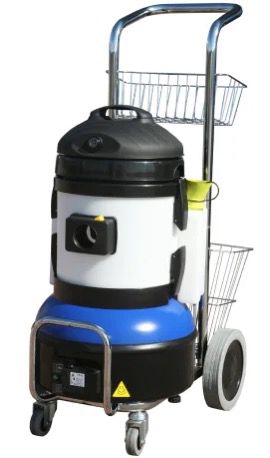
Amber Adams provides safe, compliant, fully insured, non-judgemental, discreet, and compassionate squatters cleaning services across the UK and beyond, including England, Scotland, Wales, Ireland, Jersey, Guernsey, Isle of Man, Gibraltar, and the British Virgin Islands. We cover a wide range of locations, from major cities to smaller towns, villages, suburbs, provinces, and local borough councils, ensuring our services are available wherever needed.
England
Amber Adams proudly serves cities, towns, and local borough councils across England, including but not limited to:
- London: Central London, Camden, Islington, Southwark, Hackney, and Westminster.
- Manchester: Salford, Stockport, Oldham, Trafford, and Bury.
- Birmingham: Sutton Coldfield, Solihull, Walsall, and Coventry.
- Liverpool: Wirral, Knowsley, St Helens, and Bootle.
- Leeds: Bradford, Wakefield, Harrogate, and Hull.
- Newcastle: Gateshead, Sunderland, and North Tyneside.
- Sheffield: Barnsley, Rotherham, and Doncaster.
- Other key locations: Bristol, Nottingham, Oxford, Cambridge, Milton Keynes, Leicester, and Reading.
Scotland
We also offer our services in major cities, towns, villages, and rural areas throughout Scotland, including:
- Edinburgh: Leith, Dalry, and Portobello.
- Glasgow: East End, West End, and Southside.
- Aberdeen: Inverurie, Peterhead, and Dyce.
- Dundee: Arbroath, Montrose, and Forfar.
- Perth: Crieff, Blairgowrie, and Auchterarder.
- Stirling: Falkirk, Clackmannanshire, and Alloa.
- Other key locations: Inverness, Fort William, and the Scottish Highlands.
Wales
Amber Adams provides professional squatters cleaning services throughout Wales, including:
- Cardiff: Barry, Penarth, and Newport.
- Swansea: Llanelli, Neath, and Port Talbot.
- Wrexham: St Asaph, Mold, and Chirk.
- North Wales: Bangor, Caernarfon, and Anglesey.
- South Wales: Merthyr Tydfil, Bridgend, and Aberdare.
- Other key locations: Aberystwyth, Llandudno, and Pembrokeshire.
Ireland
We offer squatters cleaning services across both Northern Ireland and the Republic of Ireland, including:
- Belfast: Antrim, Lisburn, and Newtownabbey.
- Dublin: Bray, Dun Laoghaire, and Tallaght.
- Cork: Mallow, Cobh, and Blarney.
- Limerick: Ennis, Shannon, and Tralee.
- Galway: Sligo, Athlone, and Ballinasloe.
- Other key locations: Waterford, Kilkenny, and Letterkenny.
Jersey and Guernsey
Amber Adams also serves the Channel Islands, including:
- Jersey: St Helier, St Brélade, and St Ouen.
- Guernsey: St Peter Port, St Sampson, and Castel.
Isle of Man
We offer comprehensive squatters cleaning services on the Isle of Man, covering towns and villages such as:
- Douglas
- Ramsey
- Castletown
- Peel
- Port Erin
Gibraltar
Amber Adams extends its services to Gibraltar, covering the Rock of Gibraltar and surrounding areas, offering our full range of specialist squatters cleaning services.
British Virgin Islands
Our services are available throughout the British Virgin Islands, ensuring that both residential and commercial properties in places like Road Town, Virgin Gorda, and Tortola can be cleaned safely and efficiently.
Amber Adams’ squatters cleaning services ensure that properties in any of these locations, no matter the condition, are returned to a safe and habitable state. We are proud to serve both urban and rural areas, ensuring that our expert team is always available when and where you need it. With a non-judgemental, discreet approach, we help individuals, families, landlords, local authorities, and businesses tackle the challenges associated with squatters.