Compassionate Trauma Cleaning Services in UK
Call Trauma Cleaning Services in UK Anytime

4500+
Domestic & Commercial Clients A Month In UK

275+
Specialist Cleaning Teams Across UK

8600+
Services Each Month Across UK
Why Choose Our Trauma Cleaning Services

We’re ready to help
in your emergency
When you need specialist cleaners or an urgent property remedial and restoration in an emergency situation or a trauma scene, we're ready to help with our rapid response call outs any time of the day, any day of the week - all year round.

Fast emergency
response
We're quick to respond. Our team is strategically positioned throughout the length and breadth of the UK, and enable us to achieve a 1-hour response time (or better) in 98% of call-outs during 2024.

Fully accredited & insured
for your assurance
We're accredited members of the nation's most respected industry certification bodies such as being a top-tier waste carrier and fully insured with with public liability and employers liability.


Specialist Cleaning Services
We offer 24/7 free online cleaning estimates, providing eco-friendly cleaning services with a focus on reliability and efficiency. By employing local staff and supporting preventive, remedial, and restoration solutions, we empower and strengthen our communities.
Contact UsSpecialist Trauma Cleaning Services
Trauma cleaning services involve the professional cleaning, sanitisation, and decontamination of areas affected by traumatic events such as crime scenes, accidents, suicides, or unattended deaths. These services use specialised equipment, disinfectants, and techniques to safely remove biohazards like blood, bodily fluids, and decomposition materials, ensuring the area is safe and habitable. Trauma cleaners are trained to handle sensitive situations with empathy, discretion, and professionalism while adhering to strict health and safety guidelines.
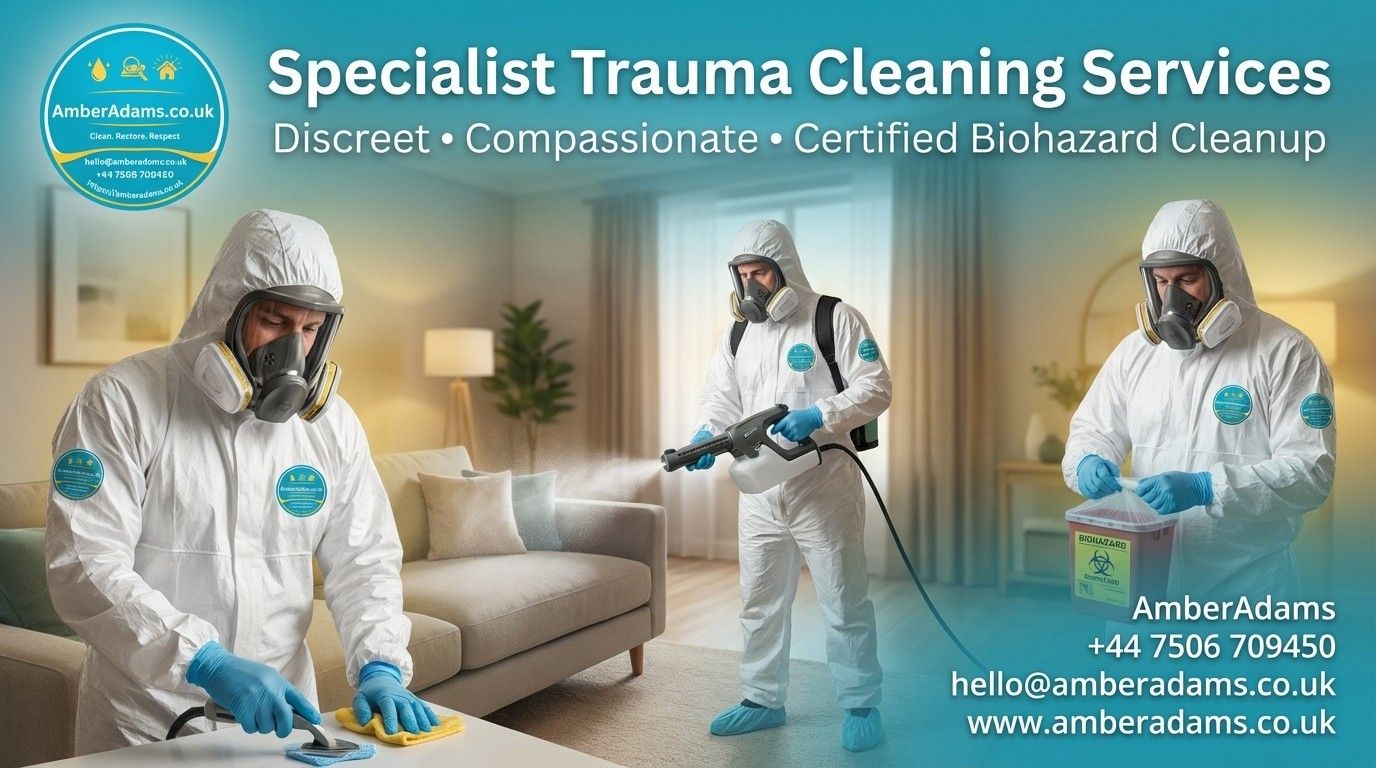
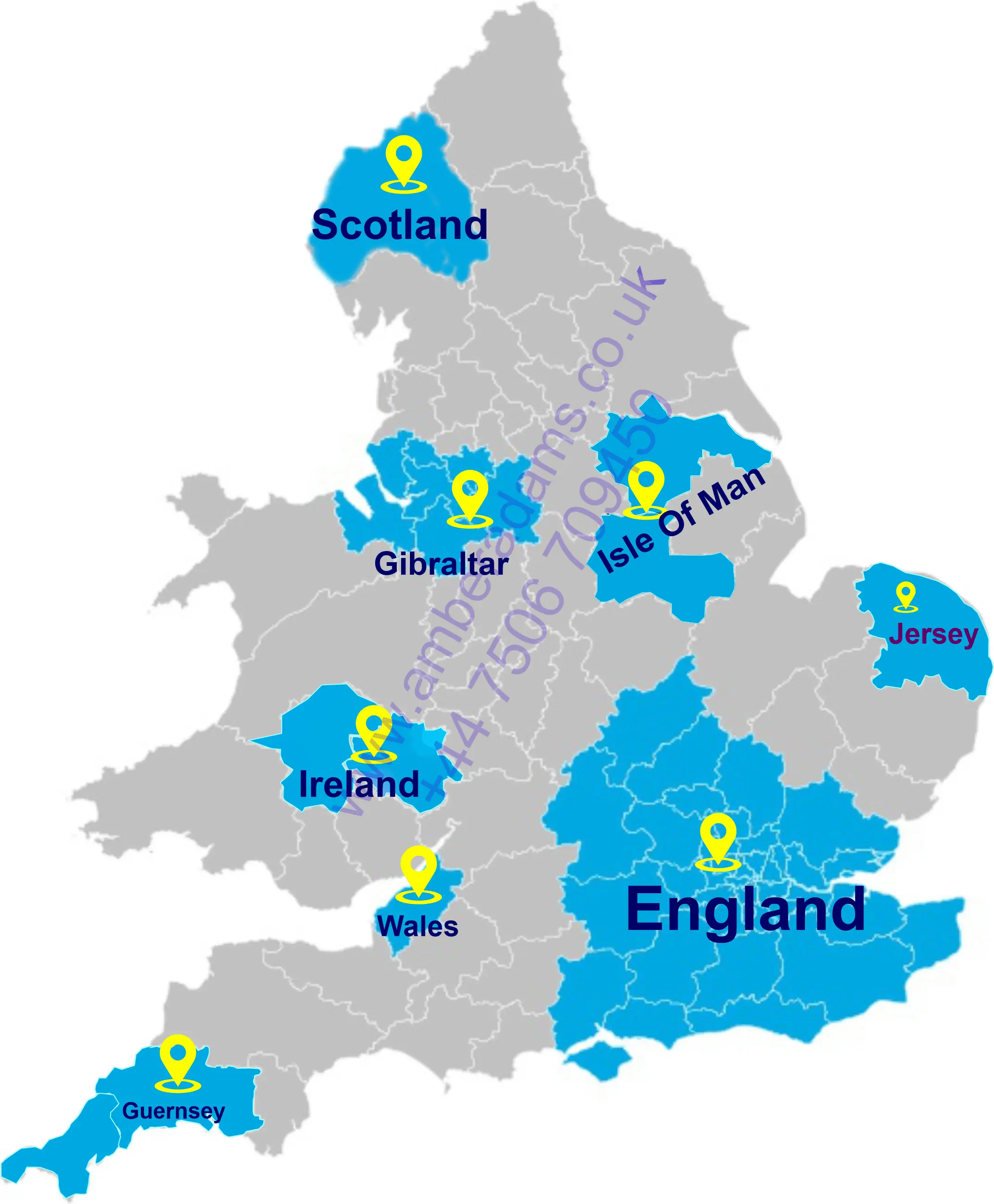
Choosing Amber Adams for trauma cleaning services across England, Scotland, Wales, Ireland, Jersey, Guernsey, Isle of Man, Gibraltar, and the British Virgin Islands offers several compelling reasons, making it the ideal choice for clients across diverse regions, including major cities, towns, villages, suburbs, and local borough councils.
1. Nationwide Reach and Local Expertise
and you can call on +44 7506 709450
Amber Adams provides trauma cleaning services to all areas across the UK, including England, Scotland, Wales, Northern Ireland, as well as Jersey, Guernsey, Isle of Man, Gibraltar, and the British Virgin Islands. Whether you’re in major cities like London, Manchester, Birmingham, Glasgow, Edinburgh, Cardiff, Belfast, or smaller towns and villages like St Albans, Aberystwyth, Inverness, Derry, and Penzance, Amber Adams ensures a rapid, local response no matter the location.
2. Comprehensive Coverage of Boroughs and Suburbs
Amber Adams’ services extend to all boroughs and suburban areas, including but not limited to:
- Greater London Boroughs: Westminster, Camden, Hackney, Croydon, Islington, and more.
- Cities and Suburbs: Sheffield, Newcastle, Leeds, Liverpool, Bristol, Dundee, and Aberdeen, along with surrounding suburban and rural areas.
- Rural and Regional Areas: Amber Adams is equipped to handle trauma cleaning in remote areas like the Scottish Highlands, Cornish coastal villages, and islands such as the Isle of Man and the Channel Islands (Jersey and Guernsey).
- Council Areas: Serving various local borough councils like Manchester City Council, Bristol City Council, Edinburgh City Council, and many others across the country.

3. Industry-Leading Service Across Multiple Locations
Amber Adams has established a strong reputation for delivering high-quality trauma cleaning services that are compliant with local regulations and health standards across a range of areas:
- England: From busy cities like London, Birmingham, and Manchester to quieter towns like Basingstoke, Woking, and Luton, Amber Adams provides quick, efficient, and thorough cleaning solutions.
- Scotland: Whether in urban centres like Glasgow and Edinburgh, or smaller towns like Dundee, Inverness, and Stirling, Amber Adams’ specialists can promptly address trauma cleaning needs.
- Wales: Serving both large cities like Cardiff, Swansea, and Newport, and more remote villages, Amber Adams’ cleaning professionals offer fast, empathetic service.
- Northern Ireland: From Belfast to Derry and Armagh, Amber Adams is ready to deliver trauma cleaning in both urban and rural settings.
4. Specialised in High-Risk, Sensitive Cleaning
Amber Adams offers highly specialised trauma cleaning services for any kind of traumatic event including:
- Crime scenes (e.g., homicides, assaults, or accidents)
- Suicide and self-harm incidents
- Decomposition clean-ups (e.g., unattended deaths)
- Accidental injury clean-ups The company uses advanced tools, hospital-grade disinfectants, and follows strict health and safety protocols to decontaminate spaces and ensure they are safe and habitable.
5. Exceptional Compassion and Discretion
Amber Adams recognises the emotional toll trauma events can have on families and individuals. They are renowned for their empathetic and discreet approach, ensuring clients feel supported, respected, and informed throughout the process. The company ensures that all team members work with sensitivity and respect, providing you with peace of mind during a challenging time.
6. Efficient and Fast Response Time
With service coverage in major metropolitan areas as well as remote regions, Amber Adams guarantees a rapid response. Whether you need urgent trauma cleaning in the heart of London, Edinburgh, Dublin, or in a smaller, more remote area like Isle of Skye, County Antrim, or the British Virgin Islands, Amber Adams prioritises quick deployment of its cleaning teams to prevent further damage or health risks.
7. Fully Insured and Certified
Amber Adams is fully insured and certified to handle biohazardous waste disposal and trauma cleaning services in compliance with local regulations across the UK and abroad. This ensures that the service is not only safe but also fully legal and in line with health and safety standards, whether in England, Scotland, Wales, Ireland, or overseas territories like Jersey, Guernsey, Gibraltar, and the British Virgin Islands.

8. Tailored Services for Different Regions
Each region presents unique challenges and needs. Amber Adams customises its trauma cleaning services to meet the specific requirements of each area, considering factors such as:
- Urban areas (e.g., Manchester, Birmingham, Cardiff) where faster service and larger-scale equipment might be needed.
- Rural and isolated areas (e.g., Scottish Highlands, Cornish coastal towns, or the Isle of Man) where the logistics of travel might require additional coordination.
- Island locations like Jersey, Guernsey, and the British Virgin Islands, where there might be unique shipping or local disposal regulations.
9. Leading Technology and Environmental Responsibility
Amber Adams uses cutting-edge cleaning technology to ensure that spaces are decontaminated without causing harm to the environment. They follow environmentally-friendly practices when disposing of biohazardous waste and cleaning materials, ensuring that their services are sustainable while maintaining the highest standards of safety and cleanliness.
Whether you are located in bustling cities like London, Manchester, and Edinburgh, or in remote regions of the Scottish Highlands, Isle of Man, Gibraltar, or the British Virgin Islands, Amber Adams offers consistent, reliable, and professional trauma cleaning services. Their extensive nationwide and international coverage ensures that they are always ready to provide fast, discreet, and effective cleaning solutions, regardless of where you are located in the UK or its overseas territories. With their compassionate approach, trained experts, and commitment to health and safety, Amber Adams is the top choice for trauma cleaning services.
List Of Common Traumas:
1. Physical Trauma
- Definition: Injury to the body, often due to accidents, violence, or natural disasters.
- Examples: Broken bones, burns, concussions, car accidents, or sports injuries.
2. Emotional (Psychological) Trauma
- Definition: Psychological damage resulting from distressing or harmful experiences that affect mental health and emotional well-being.
- Examples: Abuse, bullying, the death of a loved one, divorce, or a sudden traumatic event.
3. Psychological Trauma
- Definition: This type of trauma arises from experiences that overwhelm an individual’s ability to cope, leading to long-term emotional or psychological distress.
- Examples: PTSD (Post-Traumatic Stress Disorder), flashbacks, anxiety, depression, or dissociation.
4. Developmental Trauma
- Definition: Traumatic experiences during childhood that hinder the normal development of an individual’s emotional, social, and cognitive growth.
- Examples: Neglect, abandonment, emotional, physical or sexual abuse, or witnessing domestic violence.
5. Complex Trauma
- Definition: Prolonged or repeated exposure to trauma, often occurring in a context where the victim feels powerless or trapped.
- Examples: Ongoing abuse, trafficking, or living in a war zone.
6. Acute Trauma
- Definition: A single, isolated traumatic event that causes immediate emotional distress.
- Examples: A car crash, a natural disaster, a physical assault, or a sudden loss.
7. Chronic Trauma
- Definition: Prolonged exposure to traumatic experiences, often leading to long-term emotional, physical, and mental health issues.
- Examples: Long-term abuse, ongoing exposure to violence, or living in an unsafe environment.
8. Vicarious Trauma (Secondary Trauma)
- Definition: Trauma experienced by those who witness or hear about the traumatic experiences of others, often in caregiving or helping professions.
- Examples: First responders, therapists, or social workers who witness traumatic events or hear about them regularly.
9. Cultural Trauma
- Definition: Trauma experienced by a group of people due to collective historical events, such as genocide, slavery, or colonization, which affect their cultural identity.
- Examples: The Holocaust, the displacement of Indigenous peoples, or slavery.
10. Collective Trauma
- Definition: Trauma that affects a group or society, usually resulting from large-scale events that impact many people.
- Examples: Wars, natural disasters, pandemics, or large-scale societal crises.
11. Intergenerational Trauma
- Definition: Trauma that is passed down from one generation to another, often affecting descendants of individuals who experienced the original trauma.
- Examples: Children or grandchildren of Holocaust survivors or the descendants of families affected by historical oppression.
What harms traumas can cause to human health/life?
Trauma, whether physical, emotional, or psychological, can have profound and long-lasting effects on human lives. The impact of trauma varies depending on the nature, severity, and duration of the event, as well as the individual’s coping mechanisms, support systems, and resilience. Here’s an overview of the potential harm that trauma can cause to human lives:
1. Physical Harm
- Injuries and Disabilities: Physical trauma, such as that resulting from accidents, violence, or natural disasters, can lead to serious injuries like broken bones, burns, spinal cord damage, or organ damage. In some cases, these injuries can result in permanent disability, affecting mobility, independence, and quality of life.
- Chronic Pain: Even after initial recovery, trauma-related physical injuries can cause long-term pain or discomfort, which can affect mental and emotional well-being.
- Compromised Health: Physical trauma can also weaken the immune system, making individuals more vulnerable to illness and disease. People who experience severe physical trauma may have a diminished ability to heal or recover from other health conditions.
2. Emotional and Psychological Harm
- Post-Traumatic Stress Disorder (PTSD): Trauma, particularly from events like war, violence, or abuse, can result in PTSD. This condition causes symptoms such as flashbacks, nightmares, intrusive thoughts, anxiety, and hypervigilance. It can significantly impact a person’s ability to function normally in daily life.
- Depression and Anxiety: Traumatic events can lead to mental health issues such as depression, anxiety, and panic disorders. A person may feel hopeless, detached, or excessively worried after experiencing trauma.
- Survivor’s Guilt: People who have survived traumatic events (such as accidents, violence, or war) may experience survivor’s guilt, feeling responsible for the suffering or death of others. This can lead to feelings of shame, self-blame, and emotional distress.
- Difficulty with Relationships: Trauma can affect an individual’s ability to trust others or form healthy relationships. Those who have experienced trauma, especially during childhood, may struggle with attachment, leading to difficulties in personal, familial, or romantic relationships.
- Disassociation and Emotional Numbing: Some trauma survivors may detach from their emotions or reality as a coping mechanism, which can result in disassociation or a feeling of being disconnected from themselves and others.
3. Cognitive and Developmental Harm
- Impaired Cognitive Function: Trauma can impact memory, concentration, and decision-making. People who have experienced severe trauma may find it difficult to focus, remember details, or make decisions, which can affect work, study, and daily functioning.
- Developmental Delays in Children: In children, trauma can interfere with normal cognitive and emotional development. Traumatic experiences, particularly in early childhood, can affect learning, emotional regulation, social skills, and the ability to cope with stress.
- Difficulty with Self-Esteem: Traumatic events, particularly those that involve abuse or neglect, can severely impact a person’s sense of self-worth. This can lead to issues with low self-esteem, self-criticism, or an overall negative self-image.
4. Behavioural Harm
- Substance Abuse: In an attempt to cope with the emotional pain of trauma, some individuals may turn to alcohol, drugs, or other substances as a form of self-medication. Substance abuse can lead to addiction, health problems, and a cycle of worsening trauma symptoms.
- Risk-Taking Behaviours: Trauma survivors may engage in reckless or self-destructive behaviour, such as unsafe sexual practices, dangerous driving, or self-harm, as a way of coping with emotional pain or dissociation.
- Aggression and Violence: Some individuals, particularly those who have experienced violence or abuse, may become more prone to anger, aggression, or violent behaviour. This can affect relationships and lead to social isolation or legal issues.
5. Social and Economic Harm
- Social Isolation: Trauma can lead to withdrawal from social interactions or support networks. People who have experienced trauma may feel alienated or unable to relate to others, leading to social isolation and a lack of emotional support.
- Economic Impact: The effects of trauma can impair a person’s ability to work or perform daily tasks, which can result in lost income, job instability, and financial hardship. Chronic trauma can also lead to long-term medical expenses related to physical or mental health care.
- Family and Relationship Strain: Trauma can place a significant strain on family relationships. Family members may struggle to understand or support the affected individual, which can lead to conflict, breakdowns in communication, and even separation or divorce.
6. Long-Term Effects on Health
- Chronic Illness and Disease: The long-term effects of trauma, particularly unresolved emotional or psychological trauma, can manifest in physical symptoms like chronic pain, headaches, gastrointestinal problems, or autoimmune disorders. Stress from trauma can also contribute to cardiovascular issues and other chronic conditions.
- Suicidal Thoughts and Behaviours: Individuals who experience severe trauma, especially over a prolonged period, may struggle with thoughts of suicide or self-harm as a way to escape the overwhelming pain and distress.
7. Impact on Future Generations (Intergenerational Trauma)
- Transmission of Trauma: In some cases, trauma can be passed down through generations. Children of trauma survivors may be affected by the emotional or behavioural effects of their parents’ trauma, even if they did not directly experience the traumatic event. This is often referred to as intergenerational trauma, where patterns of behaviour, emotional struggles, and mental health issues are passed down.
Trauma can cause a wide range of harm, affecting every aspect of an individual’s life, including physical health, emotional well-being, cognitive function, and social connections. The consequences of trauma can last for months, years, or even a lifetime if not properly addressed. Early intervention, therapy, support systems, and appropriate medical or psychological care are crucial in helping individuals recover and heal from traumatic experiences. It’s important to acknowledge the profound and often invisible impact trauma can have, and to provide compassionate support to those affected.
What are trauma cleaning services?
Trauma cleaning services are specialised cleaning and restoration services that deal with the aftermath of traumatic events, where cleaning and disinfecting go beyond regular cleaning due to the potential health hazards and emotional sensitivities involved. These services are often required after violent incidents, accidents, or deaths. They are typically handled by professional cleaning companies trained in biohazardous waste removal and dealing with sensitive situations.
Here are some examples of what trauma cleaning services include:
1. Crime Scene Cleanup
- What it involves: Cleaning up blood, bodily fluids, and other biohazards following violent crimes such as homicides, assaults, or suicides. The clean-up includes not only removing visible contaminants but also disinfecting and deodorising the affected areas to ensure a safe environment.
- Why it’s necessary: Crime scenes often contain dangerous pathogens, bodily fluids, and other health risks. Professional cleaners ensure that these areas are thoroughly sanitised.
2. Suicide and Homicide Clean-up
- What it involves: This includes the removal of blood, tissues, and other biological materials resulting from suicides or homicides. Specialised techniques are used to neutralise lingering odours and disinfect the area.
- Why it’s necessary: These situations involve significant emotional and health risks. Professionals are trained to handle the clean-up while providing respectful service to those affected.
3. Accidental Injury Cleanup
- What it involves: After a person suffers an injury (e.g., a severe fall or industrial accident) that causes blood or bodily fluids to spill, trauma cleaning services can ensure the area is properly cleaned and disinfected.
- Why it’s necessary: Biohazards, like blood and bodily fluids, can spread diseases if not handled properly. Trauma cleaners use specialised equipment and chemicals to eliminate these risks.
4. Decomposition Cleaning (Biohazard Cleanup)
- What it involves: Cleaning the site where a person has passed away, especially if the body was not discovered for an extended period, leading to decomposition. This requires handling strong odours, bodily fluids, and potential infectious material.
- Why it’s necessary: Decomposition can result in the spread of bacteria, pathogens, and odours. Professional cleaners are trained to handle the hazardous materials involved and to ensure thorough sanitation.
5. Unattended Death Cleanup
- What it involves: Cleaning and sanitising areas where a person has died and their body remained undiscovered for an extended period. This may involve dealing with decomposition and potential biohazards.
- Why it’s necessary: Similar to decomposition, unattended deaths can lead to harmful bacteria and pathogens. Professional cleaners remove biological materials, sanitise, and deodorise the area.
6. Blood Cleanup
- What it involves: Cleaning up blood that may have spilled due to injury, accident, or crime. Blood can carry diseases such as HIV, Hepatitis, or other bloodborne pathogens.
- Why it’s necessary: Blood and bodily fluids pose a serious health risk if not cleaned properly. Trauma cleaners use certified methods to ensure the area is safe and sanitised.
7. Hoarding Cleanup
- What it involves: Cleaning homes or spaces that are overwhelmed with excessive belongings, debris, or even biological waste. Hoarding situations may also involve biohazardous materials like mould, decayed food, or animal waste.
- Why it’s necessary: Hoarding can cause unsanitary living conditions that pose health risks, and professionals must ensure the space is thoroughly cleaned while respecting the emotional nature of the situation.
Key Aspects of Trauma Cleaning Services:
- Discretion and Sensitivity: The individuals performing these services are trained to handle traumatic and sensitive situations with care and respect for the people involved.
- Biohazard Cleanup and Disinfection: Trauma cleaning involves special protocols for safely removing biohazardous materials and ensuring areas are sanitised and safe for re-entry.
- Odour Removal: Strong odours from blood, decomposition, or other biological materials often require professional deodorising services.
- Insurance Coverage: In some cases, trauma cleaning services may be covered by home insurance, especially in the event of an accident or death in a home.
Overall, trauma cleaning services ensure that areas affected by trauma are restored to a clean, sanitised, and safe condition, minimising health risks and offering a degree of peace of mind to those affected.
What is included in trauma cleaning services?
Trauma cleaning services involve a range of specialised tasks aimed at thoroughly cleaning and sanitising spaces affected by traumatic events, such as accidents, crimes, or deaths. These services go beyond standard cleaning due to the nature of the biohazards and emotional sensitivities involved. Here is what is typically included in trauma cleaning services:
1. Assessment of the Scene
- Initial evaluation: A professional trauma cleaner will assess the scene to determine the extent of contamination, the types of biohazards present (e.g., blood, bodily fluids, chemicals), and the safety measures needed.
- Risk assessment: Identifying potential health risks such as exposure to pathogens or harmful chemicals.
2. Containment of the Area
- Securing the scene: Establishing safety perimeters to prevent cross-contamination and protecting other areas of the property.
- Preventing further contamination: Using barriers or protective coverings to isolate the affected area.
3. Removal of Biohazards
- Blood and bodily fluids: The primary task of trauma cleaning is to safely remove blood, tissues, bodily fluids, and other biohazardous materials that can carry diseases (e.g., HIV, Hepatitis).
- Body tissue or remains: In cases of violent death or severe injury, any remains or body tissue are carefully removed according to biohazard protocols.
- Contaminated materials: Any items or materials that cannot be adequately cleaned or decontaminated (e.g., carpets, upholstery, personal belongings) may need to be disposed of.
4. Disinfection and Sanitisation
- Decontamination: After biohazardous materials are removed, the area is thoroughly disinfected using hospital-grade cleaners and sanitising agents to neutralise pathogens.
- Surface cleaning: All surfaces, including walls, floors, furniture, and other items, are cleaned and sanitised to remove any contamination.
- Sanitisation: Specialised chemicals are used to kill bacteria, viruses, and fungi, ensuring the area is safe for re-entry.
Specialist Carpet, Storm Damage & Mental Health Breakdown Cleaning
Our expert team provides safe, efficient, and professional cleaning solutions tailored to your property needs. Explore these services:
Carpet Cleaning Services
Deep carpet cleaning to remove dirt, stains, and allergens, leaving floors fresh and revitalised.
Storm Damage Cleaning Services
Comprehensive cleaning and recovery after storm damage, restoring properties to a safe condition.
Mental Health Breakdown Cleaning Services
Sensitive and professional cleaning support for properties impacted by mental health breakdowns, restoring hygiene and dignity.
Contact our team today for immediate assistance, quotes, or to schedule a professional cleaning service.
5. Odour Removal
- Deodorisation: Professional trauma cleaners use advanced techniques and equipment (such as ozone machines, air scrubbers, or enzymatic deodorisers) to neutralise strong odours caused by bodily fluids, decomposition, or other contaminants.
- Long-lasting freshness: The goal is to completely eliminate odours rather than just masking them.
6. Restoration of the Area
- Cleaning and restoration: In some cases, trauma cleaning services include restoring affected areas to their original state by repairing any damage caused during the traumatic event (e.g., replacing damaged flooring, repainting, or refurbishing).
- Structural repairs: If necessary, some companies also offer minor repair services for structural damage that may have occurred (though extensive repairs may require specialists in restoration or construction).
7. Safety Protocols and Compliance
- Proper disposal: Biohazardous materials are disposed of in compliance with local regulations, ensuring safe and environmentally responsible handling.
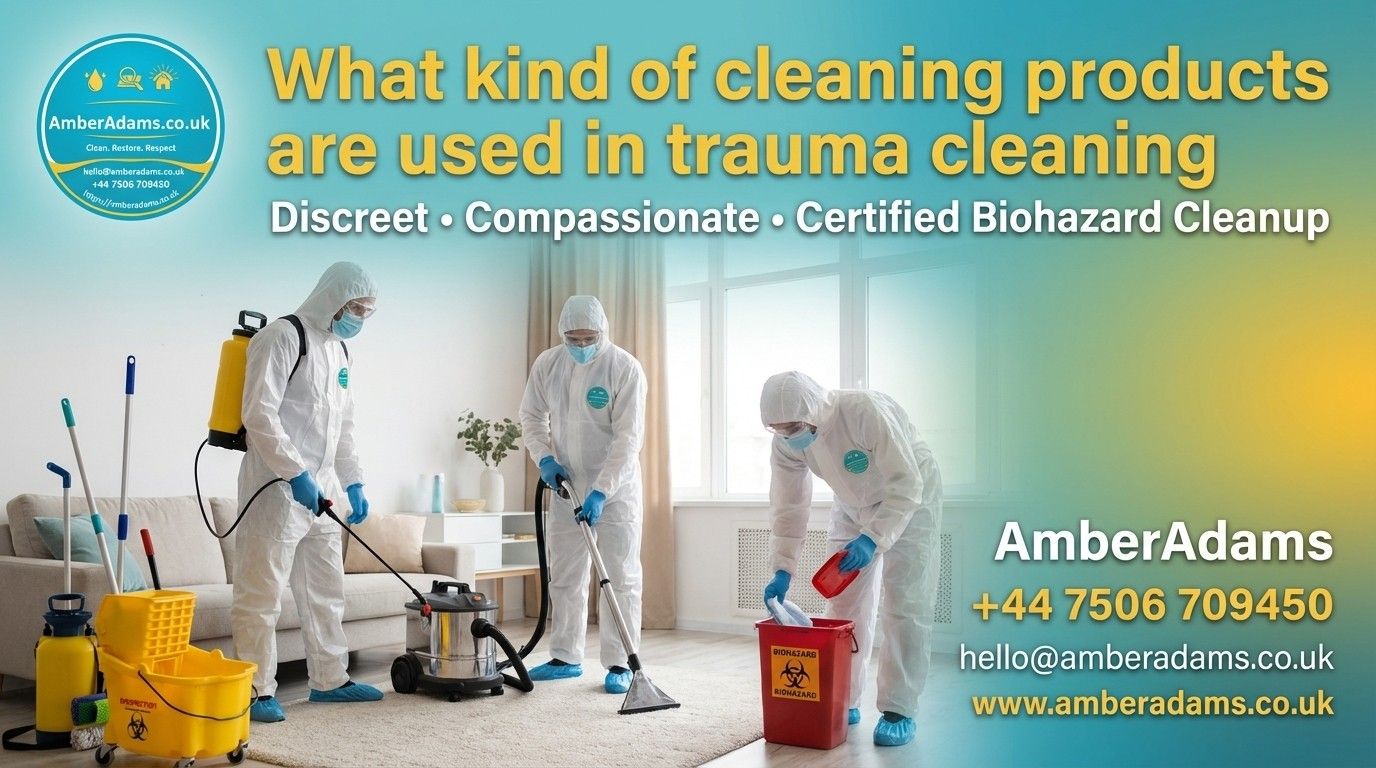
- Personal protective equipment (PPE): Trauma cleaners wear specialised PPE, such as gloves, masks, goggles, and full-body suits, to protect themselves from exposure to harmful materials.
- Compliance with health regulations: The service ensures that all cleaning and disposal processes adhere to strict health and safety guidelines.
8. Insurance Coordination
- Insurance claims: Some trauma cleaning companies assist in handling insurance claims, providing documentation, photographs, and detailed reports to support the claim process.
- Cost coverage: In certain cases, the cost of trauma cleaning services may be covered by home insurance, particularly for incidents such as accidents, suicides, or deaths that occur in a home.
9. Sensitive Handling of Personal Items
- Respect and compassion: Trauma cleaners approach the process with sensitivity and respect for the emotional nature of the situation, handling personal items with care.
- Discreet service: Professionals are trained to work discreetly, ensuring that the cleaning process does not add to the distress of those affected by the traumatic event.
10. Post-Cleanup Monitoring
- Follow-up checks: Some companies may offer follow-up services to ensure that the cleaning has been thoroughly completed, and the area remains safe and odour-free.
- Final inspection: A final inspection ensures that all potential biohazards are removed, and the area is fully disinfected.
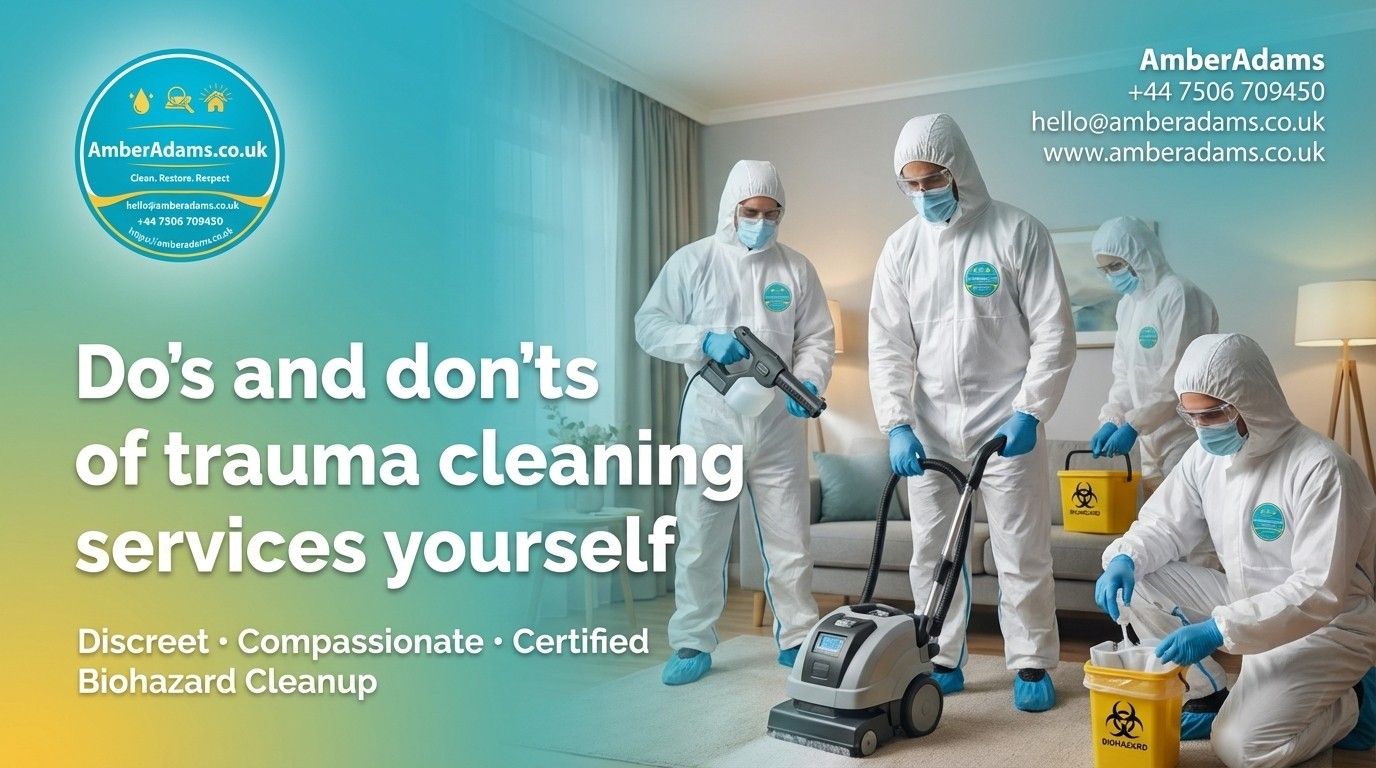
Trauma cleaning services are comprehensive and highly specialised, focusing not only on cleaning but also on ensuring that the area is safe and hygienic while considering the emotional and psychological effects on those affected. These services are provided by trained professionals who understand both the technical and compassionate aspects of the work.
Please Explore Our Other Services In Your Local Area:

Have your property professionally deep cleaned and sanitised in 3 simple steps
1.
Book online Trauma Cleaning Services for your address
2.
We will send a fully equipped and protected Trauma Cleaning Services crew
3.
Our staff will treat the property well and provide a discreet and non-judgemental service
Always at your service, right where you are
We won’t let your cleaning and maintenance problems get to you. Besides providing quality home services in Trauma Cleaning Services, the skilled pros can also tidy up your garden or clean your home or office anywhere in South East and North West England. Here are some of the main locations we serve: