Unattended Death Cleaning Services in UK
Unattended death cleaning, also known as undiscovered death clean-up, is a specialised service focused on cleaning and decontaminating areas where a death has occurred, particularly in cases where the body has not been discovered for some time. This type of clean-up is essential due to the potential health risks and the emotional burden it places on loved ones.
Specialist Unattended Death Cleaning Company in UK
After a death, particularly an unattended or undiscovered death, there can be biohazards, including bodily fluids, odours, and other contaminants, which can make the environment unsafe and unhygienic. Professional after-death cleaning services are designed to safely and thoroughly clean these areas, ensuring they are sanitised and restored to a safe condition.
Bereavement cleaning services or clean-up services after a death offer compassionate, discreet, and professional assistance to families and property owners in the aftermath of such a traumatic event. These services are particularly crucial when dealing with the effects of a death that may have gone unnoticed for some time, which can result in significant contamination.
Specialists in unattended death cleaning use industry-standard techniques and equipment, such as chemical disinfectants and biohazard containment, to remove all traces of the incident. These services not only provide physical cleaning but also support those dealing with the emotional and logistical difficulties of such situations.
The process of unattended death cleaning often involves a thorough assessment, containment of any hazardous materials, deodorising the area, and restoring the property to its original condition. It is important that these services are carried out by trained professionals who understand the legal, health, and safety aspects of biohazard clean-up.
We cover across England, Scotland, Wales and Ireland
England
Cities
- London
- Birmingham
- Manchester
- Leeds
- Glasgow
- Liverpool
- Newcastle upon Tyne
- Sheffield
- Nottingham
- Bradford
- Coventry
- Stoke-on-Trent
- Kingston upon Hull
- Leicester
- Brighton and Hove
Major Towns
- Woking
- Swindon
- Basingstoke
- Ipswich
- Grimsby
- Darlington
- Colchester
- Southend-on-Sea
- Stockport
- Harrogate
Notable Villages
- Broadway (Cotswolds)
- Lavenham (Suffolk)
- Castle Combe (Wiltshire)
- Edenbridge (Kent)
- Hawkshead (Cumbria)
Local Borough Councils
- Birmingham City Council
- Manchester City Council
- Cambridge City Council
- Liverpool City Council
- Bradford City Council
- Leeds City Council
- Hackney Borough Council (London)
- Hillingdon Borough Council (London)
- Greenwich Borough Council (London)
- Westminster City Council (London)
Scotland
Cities
- Edinburgh
- Glasgow
- Aberdeen
- Dundee
- Stirling
Major Towns
- Perth
- Inverness
- Ayr
- Falkirk
- Kilmarnock
- East Kilbride
- Livingston
- Cumbernauld
Notable Villages
- Plockton (Highlands)
- Culross (Fife)
- Kirkcudbright (Dumfries and Galloway)
- Pittenweem (Fife)
Local Councils (Local Authority Areas)
- City of Edinburgh Council
- Glasgow City Council
- Aberdeen City Council
- Falkirk Council
- Highland Council
- Dundee City Council
- Perth and Kinross Council
- Stirling Council
- West Lothian Council
Wales
Cities
- Cardiff
- Swansea
- Newport
- St. Davids
- Bangor
Major Towns
- Aberystwyth
- Wrexham
- Llandudno
- Colwyn Bay
- Merthyr Tydfil
- Barry
- Caerphilly
- Pontypridd
Notable Villages
- Portmeirion (Gwynedd)
- Beddgelert (Gwynedd)
- Aberdaron (Pembrokeshire)
- Llanfairpwllgwyngyll (Anglesey)
Local Authorities (County Borough Councils)
- Cardiff Council
- Swansea City and County Council
- Wrexham Borough Council
- Neath Port Talbot County Borough Council
- Powys County Council
- Pembrokeshire County Council
- Conwy County Borough Council
- Carmarthenshire County Council
Northern Ireland
Cities
- Belfast
- Derry/Londonderry
- Armagh
Major Towns
- Lisburn
- Newtownabbey
- Bangor
- Craigavon
- Coleraine
- Antrim
- Newry
Notable Villages
- Dunsilly (Antrim)
- Cushendall (County Antrim)
- Tandragee (County Armagh)
Local Government Districts
- Belfast City Council
- Derry City and Strabane District Council
- Lisburn and Castlereagh City Council
- Armagh City, Banbridge and Craigavon Borough Council
- Antrim and Newtownabbey Borough Council
- Mid and East Antrim Borough Council
- Causeway Coast and Glens Borough Council
Unattended Death Cleaning Checklist (UK)
An unattended death cleaning checklist ensures that the property is thoroughly cleaned and sanitised, while also following health and safety protocols for biohazardous material disposal. Below is a detailed checklist for unattended death cleaning services in the UK. This list should be followed by trained professionals to ensure the safety of everyone involved and to restore the property to a safe, liveable condition.
1. Initial Assessment & Risk Evaluation
- Inspect the scene: Assess the property and determine the extent of contamination (biohazardous fluids, decomposition, etc.).
- Identify affected areas: Identify all rooms and surfaces that need to be cleaned, including walls, floors, carpets, furniture, and any other surfaces that may have come into contact with bodily fluids.
- Evaluate structural damage: Check for any signs of permanent damage to the structure, such as odour infiltration, fluid seepage into walls, or flooring that may need replacing.
2. Safety Measures
- Secure the area: Ensure the area is sealed off to prevent contamination and restrict access to the clean-up site.
- Put up warning signs: Place biohazard signs to indicate hazardous conditions and prevent others from entering the area.
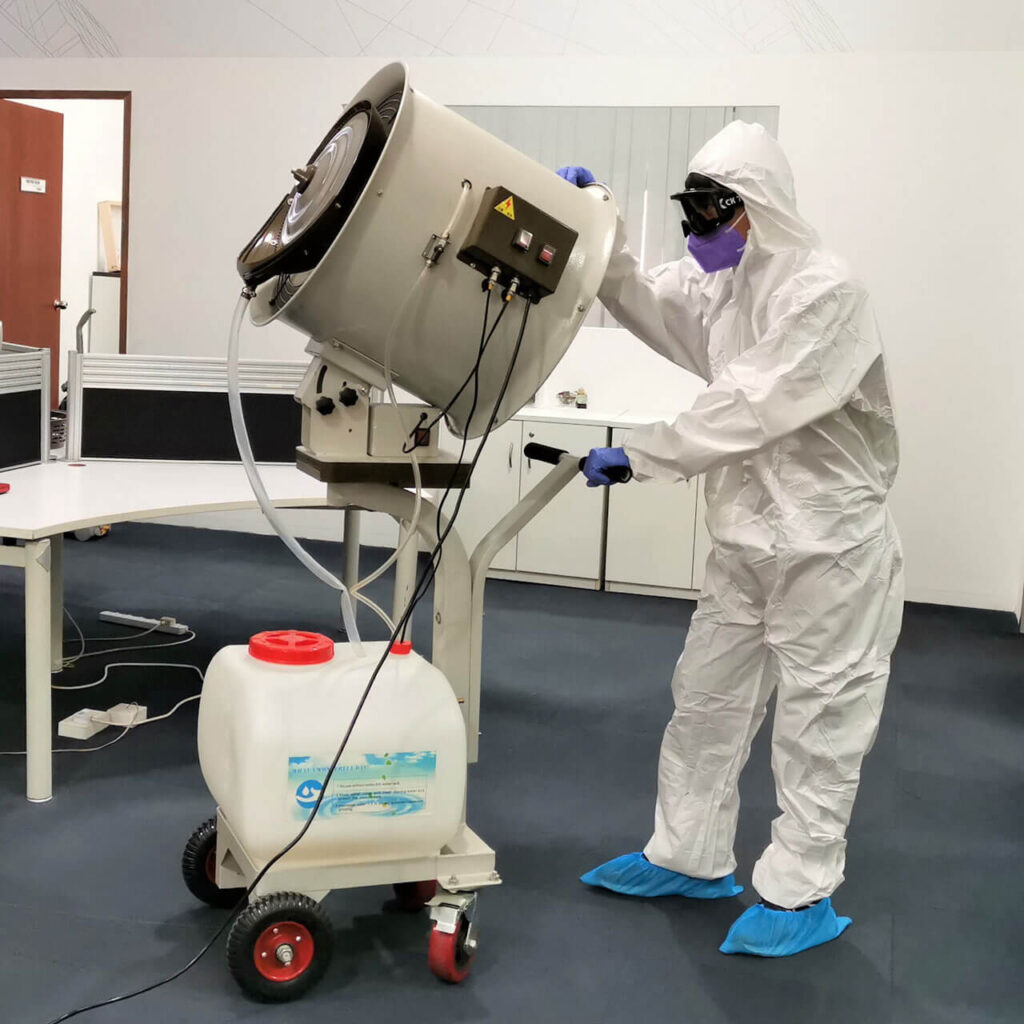
- Wear personal protective equipment (PPE): Ensure all personnel wear appropriate PPE, including gloves, face masks, goggles, protective suits, and shoe covers.
3. Biohazard Waste Removal
- Remove contaminated materials: Safely remove any materials contaminated with bodily fluids, such as:
- Blood-soaked items (clothing, bedding, carpets)
- Furniture, rugs, or curtains affected by fluids
- Personal items contaminated with bodily fluids (e.g., electronics, documents)
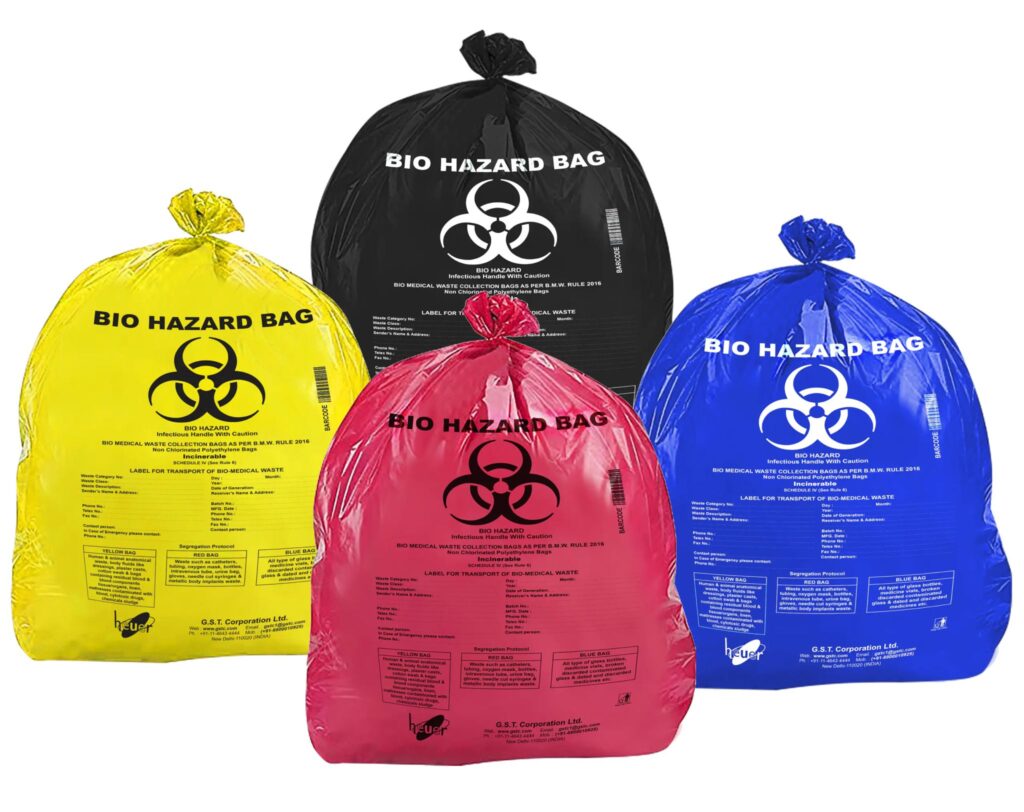
- Dispose of waste properly: All contaminated items should be disposed of in accordance with local regulations for biohazardous materials. Ensure the use of certified waste disposal services.
- Document waste disposal: Provide written documentation to ensure proper disposal of hazardous waste, which can be useful for insurance purposes.
4. Cleaning & Sanitisation
- Clean and disinfect affected surfaces: Use hospital-grade disinfectants and deodorisers to thoroughly clean:
- Floors, carpets, and rugs
- Walls, ceilings, and doors
- Windows, light fixtures, and other hard surfaces
- Focus on high-touch areas: Ensure thorough cleaning of areas that may have been touched by the deceased or contaminated fluids, such as doorknobs, switches, and light fixtures.
- Decontaminate furniture and personal items: If applicable, remove bodily fluids and contaminants from furniture (such as sofas and chairs), using professional cleaning products.
- Clean appliances and electronics: If any appliances or electronics have been exposed to bodily fluids, use specialised cleaning methods to ensure they are decontaminated.
5. Deodorisation & Odour Removal
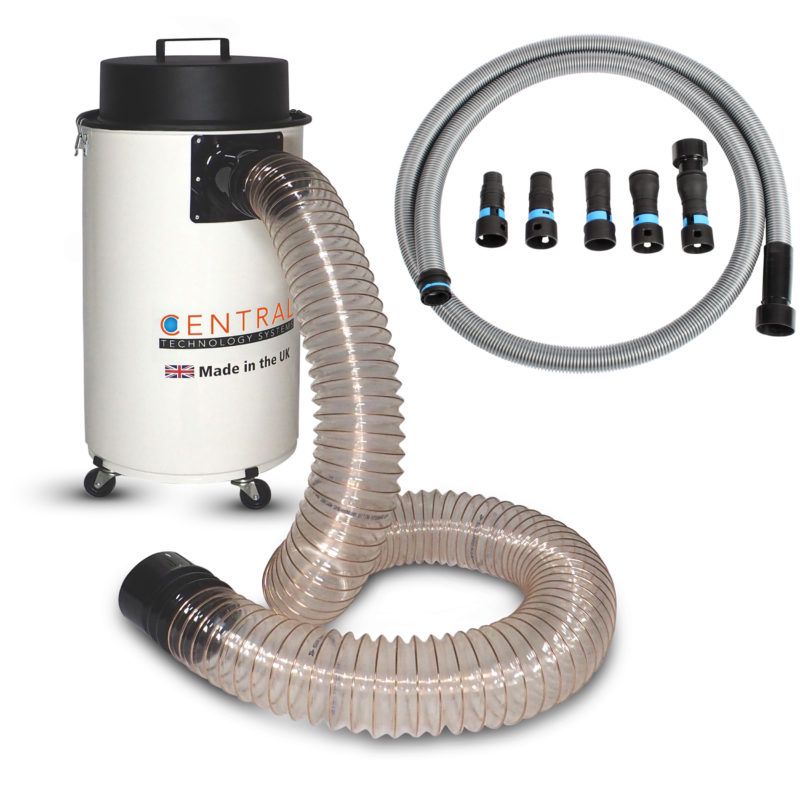
- Eliminate strong odours: Deodorisation is crucial in cases of decomposition. Use ozone generators, air purifiers, or chemical treatments to neutralise the smell of decay.
- Clean air vents and ducts: Ensure air vents, HVAC systems, and any other ventilation systems are thoroughly cleaned and disinfected, as they can carry odours throughout the property.
- Check for hidden odour sources: Search for hidden areas (such as under carpets, behind furniture, or within walls) where odours may linger. Remove contaminated materials and treat the area with a deodorising solution.
6. Deep Cleaning of Personal Belongings
- Carefully sort through personal belongings: Identify valuable or sentimental items that can be preserved (such as photographs, jewellery, and important documents).
- Separate affected items: Separate any items that have been contaminated by biohazardous materials for safe disposal or cleaning.
- Safely clean salvageable items: Clean any salvageable personal items such as clothing or furniture. If necessary, use specialised cleaning methods for delicate items.
7. Structural Cleaning & Restoration
- Assess potential structural damage: Examine the property for damage from bodily fluids, decomposition, or moisture. If necessary, consult with restoration experts to assess whether repairs or replacements are required.
- Replace flooring or carpets: In cases where floors have absorbed biohazardous fluids, replacement may be necessary to ensure a safe environment.
- Repair damaged walls or ceilings: If fluids have seeped into walls or ceilings, it may be necessary to repair or replace affected parts of the structure.
8. Final Inspection
- Check for thorough cleaning: Conduct a final inspection to ensure every area has been thoroughly cleaned, disinfected, and deodorised.
- Ensure no biohazard residues remain: Inspect for any signs of remaining biohazardous material, including staining or fluid seepage.
- Check for lingering odours: Make sure that all odours have been eliminated and the space is safe and habitable.
9. Post-Clean-Up Documentation & Reporting
- Provide a report: Offer a detailed report to the property owner, which may include:
- Before-and-after photos of the clean-up process
- A list of areas cleaned and disinfected
- Documentation of waste disposal and removal
- Offer support for further services: Depending on the client’s needs, offer additional services like restoration, repair, or mental health referrals for family members.
10. Disposal of Cleaning Materials & PPE
- Dispose of cleaning materials: All cleaning materials used during the process (rags, sponges, protective suits) must be disposed of in a safe, biohazardous manner.
- Dispose of PPE: Any used PPE, including gloves, masks, and suits, must be discarded safely to avoid contamination.
11. Final Considerations
- Check air quality: Ensure the property is properly ventilated, and air quality tests are conducted to ensure the space is safe for re-entry.
- Consult with the family: If applicable, offer to consult with the family regarding any sentimental items or further services that may be needed after the clean-up.
The unattended death cleaning process requires meticulous attention to detail, professionalism, and adherence to health and safety standards. This checklist is designed to guide professionals through each step of the clean-up, ensuring that the property is thoroughly sanitised and safe for re-entry. Always ensure that the company you hire is certified, insured, and experienced in biohazard clean-up to handle these sensitive situations with the utmost care.

Additional Add-On Services Associated with After Death Cleaning
In addition to the core services of unattended death cleaning, several add-on services can be offered to help families and property owners manage the aftermath of a death. These services are tailored to ease the emotional and logistical burdens, ensuring a thorough and respectful approach to the clean-up process. Some of the key add-on services associated with unattended death cleaning include:
1. Waste Disposal and Hazardous Material Removal
Following an unattended death, waste disposal is a critical aspect of the clean-up process. Professionals ensure the safe and proper disposal of any biohazardous materials, such as blood-soaked items, clothing, or other contaminants. They also take care of any hazardous waste that may have resulted from the decomposition process. This service ensures that all materials are disposed of in compliance with health and safety regulations.
2. Organisation of Personal Belongings
In cases of undiscovered deaths, personal belongings may have been left untouched for an extended period. Professional cleaners can assist in sorting through personal items, helping to organise, categorise, and safely store any belongings. This service is especially valuable for families or property owners who may feel overwhelmed by the task.
3. Identification and Preservation of Valued and Sentimental Items
Cleaning teams trained in unattended death clean-up understand the emotional value of personal belongings. They offer careful identification and preservation of items that hold sentimental or monetary value, such as family heirlooms, photographs, jewellery, and important documents. These items are carefully removed from the affected area to be returned to the family or kept in a secure location for later retrieval.
4. Estate Clean-out and Property Restoration
For individuals or families who need help with the broader clean-out of the property, additional services may include the removal of old furniture, unwanted items, and general estate clean-out. Property restoration ensures that the space is not only sanitised but also brought back to its original condition, making it habitable again if needed.
5. Deodorisation and Odour Removal
One of the more challenging aspects of unattended death clean-up is removing lingering odours. Cleaning services often include specialised deodorisation and odour removal techniques, such as the use of ozone generators or advanced air purifiers, to eliminate any unpleasant smells resulting from the death.
6. Discreet Documentation for Insurance Purposes
Unattended death clean-up services often include detailed documentation, which may be required for insurance claims. This documentation can include photographs, lists of disposed items, and reports of the cleaning process. This service helps families navigate any insurance or legal matters with the necessary paperwork.
7. Mental Health and Counselling Referrals
Recognising the emotional trauma associated with the aftermath of an unattended death, some services may also offer or refer families to grief counselling or mental health support services. This ensures that those affected have access to emotional assistance during a difficult time.
8. Biohazard Safety Training (for Families or Property Managers)
Some cleaning companies offer brief training or guidance on biohazard safety for family members or property managers, explaining how to handle personal belongings or areas that may still pose risks before full cleaning can take place.
By offering these add-on services, unattended death cleaning providers help to manage the physical, emotional, and logistical complexities of dealing with such a traumatic event, offering both practical assistance and compassionate support throughout the process.
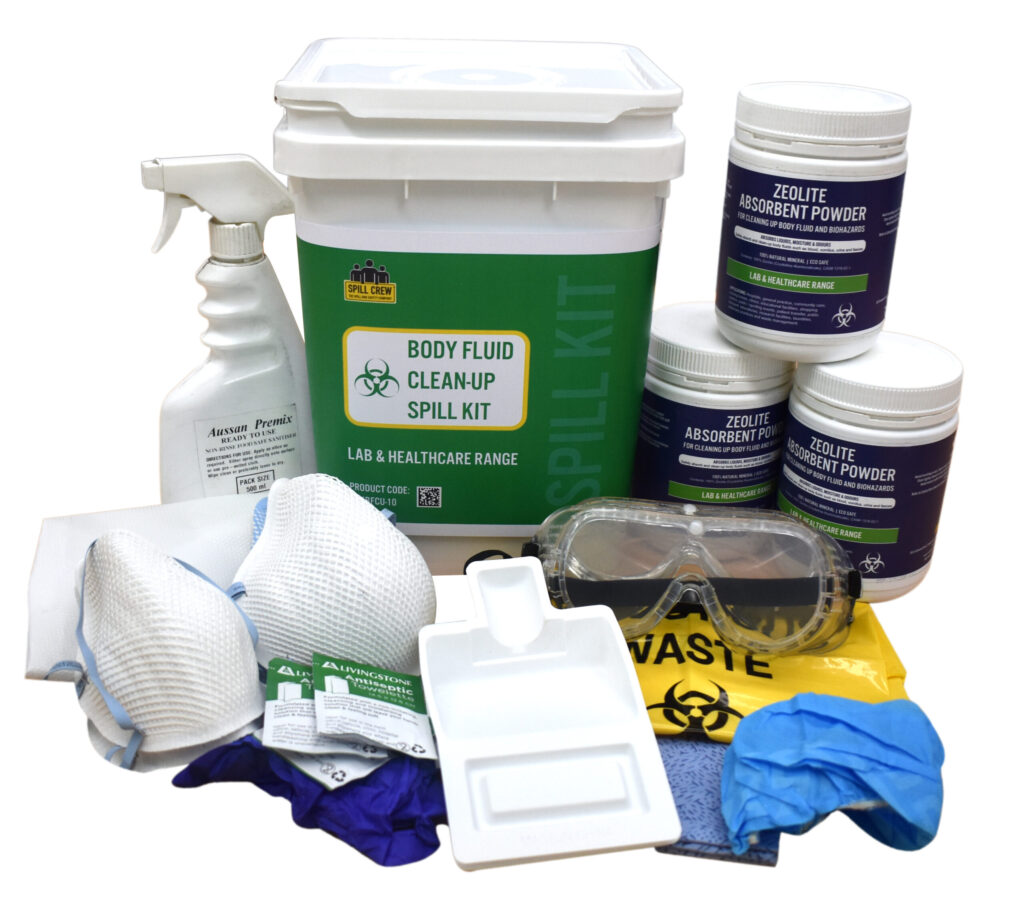
Some of many types of bodily fluids which may be present at a site where unattended death has taken place:
At a site where an unattended death has occurred, various bodily fluids may be present due to the decomposition process. These fluids can pose significant health risks and must be handled carefully by professionals trained in biohazard clean-up. The types of bodily fluids commonly found at such scenes include:
1. Blood
Blood is one of the most common bodily fluids found at the scene of a death, particularly if trauma or injury was involved. In cases of unattended deaths, blood may have pooled around the body or seeped into carpets, floors, and furniture, and may have mixed with other bodily fluids during the decomposition process. Blood poses significant health risks due to the potential presence of bloodborne pathogens.
2. DE compositional Fluids
As the body decomposes, fluids from the internal organs, digestive system, and tissues begin to leak out. This includes a mixture of bile, gastric fluids, and other bodily substances that can be both toxic and odorous. These DE compositional fluids can seep into carpets, floors, and walls, creating a serious contamination risk.
3. Urine
Urine may be present in cases where the body was unable to properly expel waste before death or during the decomposition process. In some instances, bodily functions may continue post-mortem due to residual muscle activity, leading to the release of urine, which can stain carpets or furniture and pose hygiene concerns.
4. Faecal Matter
Faecal matter may be present in situations where the body has not been discovered for an extended period. This could result from the body expelling waste before or after death. Faecal matter can cause significant contamination and odour, and also presents a health risk due to the presence of harmful bacteria.
5. Sweat
In some cases, bodily fluids such as sweat may be present if the individual died in a warm environment or over a prolonged period before passing. While sweat is less hazardous than other bodily fluids, it can still contribute to unpleasant odours and potential contamination in the area.
6. Saliva
Saliva may be found near the body, especially if the person was unable to swallow before death or during the final stages of life. While not typically dangerous on its own, saliva can carry pathogens, particularly if the individual was suffering from an illness.
7. Cerebrospinal Fluid (CSF)
In rare cases, if the body experienced trauma to the head or neck, cerebrospinal fluid may be present. CSF is the fluid that surrounds and protects the brain and spinal cord. While its presence is uncommon at unattended death scenes, its discovery would require careful handling due to its potential for contamination.
8. Pus or Infected Fluids
If the individual had an infection or untreated wounds before death, infected bodily fluids such as pus might be found at the scene. These fluids pose a risk of spreading infectious diseases and must be professionally cleaned and disposed of.
Due to the potential health hazards and the complexity of dealing with these fluids, professional unattended death clean-up services are essential. These services use specialised equipment and cleaning agents to safely remove all traces of bodily fluids, ensuring that the site is properly sanitised and restored to a safe condition.
Risks associate with bodily fluids and spillages:
The presence of bodily fluids, spillages, and other contaminants at a site where an unattended death has occurred poses several health and safety risks. These risks are often serious and require immediate professional attention to mitigate potential harm. Here are the main risks associated with bodily fluids and related spillages:
1. Infectious Diseases and Pathogens
One of the most significant risks associated with bodily fluids is the potential for transmitting infectious diseases. Blood, urine, fecal matter, saliva, and de-compositional fluids can carry harmful pathogens, including bacteria, viruses, and fungi. Some of the most common infectious risks include:
- Bloodborne pathogens such as HIV, Hepatitis B, and Hepatitis C
- Bacterial infections like Salmonella, E. coli, and Clostridium (which can be present in fecal matter or decomposing tissue)
- Viral infections such as the flu, norovirus, or other contagious viruses that may be present in bodily fluids
- Fungal infections from decaying organic material
These pathogens can lead to serious illness if not properly handled and cleaned.
2. Biohazard Exposure
The term “biohazard” refers to any biological substance that poses a threat to living organisms, especially humans. Bodily fluids such as blood, urine, and faecal matter are classified as biohazards because they can carry harmful microorganisms. The risks of biohazard exposure include contamination through:
- Direct contact with the skin, eyes, or mucous membranes (nose, mouth)
- Aerosolisation of infectious particles when cleaning or disturbing the fluids
- Inhalation of toxic or harmful gases from decomposing materials
Professionals trained in biohazard clean-up use protective gear, such as gloves, masks, face shields, and full-body suits, to avoid contamination.
3. Odour and Respiratory Issues
As bodily fluids decompose, they often release strong, unpleasant odours caused by the breakdown of tissue and other organic materials. These odours are not only distressing to those who encounter them, but they can also cause respiratory problems, particularly in people with pre-existing conditions such as asthma or allergies.
- Ammonia released from decomposing urine can be irritating to the eyes, nose, and throat.
- Sulphur compounds from decaying organic matter can cause headaches, nausea, and dizziness if inhaled for prolonged periods.
Long-term exposure to these odours can have serious implications for health, especially in confined spaces.
4. Slip and Fall Hazards
Bodily fluids, especially liquids like blood, urine, and other fluids, can create slippery surfaces, increasing the risk of slips, trips, and falls. In an unattended death scene, these spillages are often spread over a wide area, including floors, carpets, and furniture. If not cleaned promptly, this can pose a significant safety risk for anyone who enters the area.
5. Environmental Contamination
Bodily fluids can seep into porous surfaces, such as carpets, wooden floors, and walls, causing long-term contamination if not properly cleaned. This can lead to:
- Structural damage due to fluid absorption, weakening materials like wood or drywall
- Permanent staining of carpets, upholstery, and furniture
- Contamination of the air due to lingering odours or airborne pathogens
- Cross-contamination when fluids are inadvertently spread to other areas of the property during cleaning
These environmental contaminants can be challenging to remove and may require specialised cleaning techniques and equipment.
6. Psychological and Emotional Impact
The presence of bodily fluids and the trauma associated with unattended deaths can have a significant psychological impact on those involved in the clean-up process. Family members or property owners may experience distress, anxiety, or grief when faced with the sight and smell of bodily fluids or decomposition. This emotional toll can make it even more difficult to manage the situation, which is why it’s crucial to engage professional services with the right expertise and sensitivity.
7. Legal and Liability Risks
If bodily fluids are not properly cleaned and disposed of, property owners or those responsible for the premises could face legal repercussions. Improper handling or failure to follow health and safety regulations can result in fines or lawsuits, especially if the area becomes a public health hazard. Additionally, inadequate clean-up could lead to the spread of disease, further increasing the legal liability for those involved.
8. Physical Injury from Sharp Objects
If there was any trauma involved in the death, the presence of sharp objects (such as broken glass, needles, or other debris) may pose a risk of injury. During clean-up, professionals may encounter hazardous materials that can cause cuts, punctures, or other injuries if not handled with care.
Professional Clean-Up Is Essential
Due to these significant risks, unattended death clean-up should always be handled by professionals who are trained in biohazardous material disposal and the safe handling of potentially infectious fluids. These professionals use specialised equipment and cleaning agents to ensure that all traces of bodily fluids are thoroughly removed and the environment is returned to a safe, hygienic condition. They also follow strict guidelines and legal protocols to prevent further contamination or health risks, helping to protect both the property and the people involved.
Do’s and Don’ts at a Biohazard Site:
When an unattended death occurs, the property often becomes a scene requiring careful attention due to potential biohazards, contamination, and emotional stress. If you’re in a situation where an unattended death clean-up service is required, there are certain do’s and don’ts that can help guide you through the process, ensuring both safety and respect for the deceased and their family. Here’s a breakdown of what to do—and what to avoid:
Do’s
1. Call Professional Clean-Up Services
- Do immediately contact a professional unattended death clean-up service. These services have the necessary expertise, equipment, and safety protocols to handle biohazardous materials, such as bodily fluids, and ensure the property is thoroughly sanitised.
- They will follow health and safety regulations and help restore the property to a safe condition.
2. Secure the Area
- Do make sure the area is sealed off from others until professionals arrive. This helps prevent accidental exposure to biohazards and protects anyone from coming into contact with contaminated surfaces or air.
- Keep pets, children, or anyone not involved in the clean-up away from the site.

3. Inform Family and Authorities
- Do inform any necessary parties, including family members or the appropriate authorities, about the situation. The police may need to investigate the scene, especially if the cause of death is uncertain or suspicious, before any cleaning can take place.
- Do check with your insurance company about coverage for clean-up services, as some policies may cover these costs.
4. Allow Professionals to Handle Clean-Up
- Do allow the trained biohazard clean-up professionals to do their job without interference. They are equipped with the proper protective gear, cleaning agents, and expertise to handle hazardous materials safely and efficiently.
- Professionals will also know how to handle personal items and valuable items with care, ensuring that nothing of sentimental or monetary value is damaged or lost.
5. Document the Scene
- Do take photographs of the area before the clean-up starts, especially for insurance or legal purposes. This documentation can be helpful for both the clean-up process and any potential claims you may need to make.
6. Ensure Proper Waste Disposal
- Do confirm with the professional service that all biohazardous waste will be disposed of in accordance with local regulations. Proper disposal of contaminated materials is essential for public health and safety.
Don’ts
1. Don’t Enter the Area Without Protective Gear
- Don’t attempt to clean the area yourself without proper protective equipment. Bodily fluids, decomposing materials, and other contaminants pose serious health risks, including exposure to infectious diseases.
- Even handling objects that have been contaminated can lead to exposure to harmful pathogens, so avoid touching anything in the area.

2. Don’t Touch or Disturb Personal Belongings
- Don’t touch or move personal belongings before professional cleaners arrive. Items of sentimental or monetary value might need to be handled with special care, and professionals can identify and preserve these items during clean-up.
- If possible, try to make a list of valuable or sentimental items that should be saved for recovery by the clean-up team.
3. Don’t Attempt to Clean or Remove Biohazards Yourself
- Don’t attempt to clean up blood, bodily fluids, or other hazardous materials on your own. Standard household cleaning supplies are not equipped to deal with biohazards, and improper cleaning could lead to contamination, health risks, or the spread of diseases.
- Biohazard clean-up requires specialised cleaning agents, equipment, and protocols to safely disinfect the area.
4. Don’t Delay Calling for Help
- Don’t delay in calling for professional clean-up services. The longer you wait, the more difficult and dangerous the clean-up process becomes. Decomposing bodies release strong odours and harmful gases that can make the space unsafe to enter. Additionally, the longer bodily fluids and tissues remain untreated, the greater the risk of contamination and damage to the property.
5. Don’t Allow Others to Enter the Scene
- Don’t allow anyone else (family members, friends, etc.) to enter the scene, even if they wish to help. Untrained individuals are at risk of exposure to harmful biohazards, and they could inadvertently spread contamination to other areas of the property.
- Keeping the area secure until the professionals arrive is critical for health and safety.
6. Don’t Ignore Legal or Insurance Requirements
- Don’t ignore any legal or insurance requirements related to the clean-up process. Depending on the circumstances of the death, there may be legal protocols that must be followed before cleaning can begin, such as an investigation by the police.
- Failing to follow legal requirements or neglecting to inform your insurance provider could complicate the process of addressing the situation.
The aftermath of an unattended death is often overwhelming, both emotionally and practically. However, by following these do’s and don’ts, you can ensure the safety of everyone involved and facilitate a thorough, professional clean-up process. Always rely on qualified professionals to handle the clean-up of hazardous materials, as they have the training, tools, and experience necessary to manage these sensitive situations safely and effectively.
What to look for in a specialist unattended death cleaning company?
When selecting a specialist unattended death cleaning company, it’s crucial to choose a professional team with the right expertise, training, and equipment to handle the unique challenges of biohazard clean-up. Here are the key factors to consider when making your choice:
1. Certification and Training
- Look for certification: A reputable company should have proper certifications for biohazard clean-up. In the UK, companies should be accredited by organisations such as the Health and Safety Executive (HSE) or follow industry-standard guidelines for the safe handling of hazardous materials.
- Trained professionals: Ensure that the cleaning team is trained in dealing with biohazards, including bloodborne pathogens, decomposition fluids, and other bodily fluids. Proper training ensures they can handle the scene safely, prevent cross-contamination, and minimise health risks.
2. Experience in Unattended Death Clean-Up
- Relevant experience: It’s important to choose a company with specific experience in unattended death cleaning. This type of clean-up is much more complex than regular cleaning because of the biohazard risks, decomposition, and the sensitive nature of the situation.
- Track record: Look for a company with a proven track record in handling unattended deaths or undiscovered deaths. Ask for testimonials or references from previous clients who have used their services for similar situations.
3. Availability and Response Time
- Prompt response: Unattended death clean-up often requires immediate attention, particularly in cases where decomposition has already started. The company should offer 24/7 availability and be able to respond to your needs without delay.
- Quick response time: Ensure the company is able to dispatch a team quickly to prevent further contamination or health risks. The sooner the clean-up is conducted, the less risk there is of hazardous exposure.
4. Comprehensive Insurance
- Insurance coverage: The cleaning company should carry full liability insurance, as dealing with biohazardous materials is risky. This provides financial protection for both you and the company in case of accidents, damage, or health complications arising from the clean-up.
- Accidental damage: Ensure their insurance also covers potential accidental damage to the property or personal belongings during the cleaning process.
5. Health and Safety Protocols
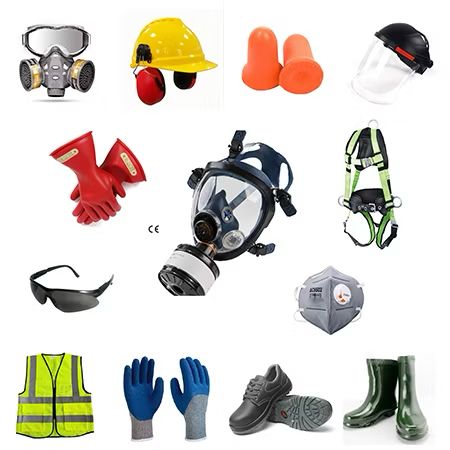
- Adherence to health and safety standards: The company should follow strict health and safety protocols, including proper handling of hazardous materials and the use of protective equipment (PPE) such as gloves, masks, and suits.
- Decontamination practices: The company should use approved decontamination methods to sanitise and disinfect the area, ensuring that any traces of bodily fluids or pathogens are fully removed.
6. Discretion and Compassion
- Professionalism and empathy: Since an unattended death is often a traumatic experience for families, the company should show respect and compassion during the clean-up process. Look for a company with staff who are discreet, understanding, and sensitive to the emotional distress that the family may be going through.
- Confidentiality: Ensure that the company respects your privacy and maintains confidentiality throughout the clean-up process. Sensitive information and details about the scene should be handled with the utmost care.
7. Thoroughness of the Clean-Up Process
- Complete cleaning service: Ensure that the company offers a comprehensive clean-up service, which includes not only cleaning and sanitising the area but also proper disposal of biohazardous waste.
- Attention to detail: The clean-up should include areas that might not be immediately visible, such as vents, walls, or floors, to ensure that all hazardous materials are properly removed. The company should offer a thorough inspection and provide you with a detailed report of the clean-up.
8. Disposal of Biohazardous Waste
- Proper waste disposal: The company should have the necessary licences and procedures in place for the safe disposal of biohazardous waste. Ensure that they follow local regulations for disposing of contaminated materials, including bodily fluids, clothing, and other affected items.
- Certified disposal facilities: Ask if they use certified disposal facilities for the waste and whether they provide documentation of proper disposal for insurance purposes or legal reasons.
9. Insurance and Legal Documentation
- Provide documentation: A trustworthy company will provide documentation for the clean-up process. This could include before-and-after photographs, a list of materials removed, and a formal report that outlines the steps taken during the clean-up. This is important for insurance claims and legal purposes.
- Legal compliance: Ensure the company adheres to all relevant regulations and legal requirements related to unattended death clean-up, including any local or national guidelines for biohazard clean-up.
10. Cost Transparency
- Clear pricing: A reputable company should offer clear and transparent pricing. While unattended death clean-up can be expensive due to the specialised nature of the service, you should receive a detailed breakdown of costs before the work begins.
- No hidden fees: Be cautious of companies that offer unusually low prices or fail to provide a detailed estimate. Unexpected fees can arise, so ensure you understand what’s included in the quote and if there are any additional charges for services such as hazardous waste disposal or deodorisation.
11. Additional Services
- Optional add-ons: Some companies offer additional services, such as the removal of personal belongings, the restoration of the property, or even mental health referrals to help families cope with the aftermath of an unattended death. Consider whether these services would be helpful in your situation.
- Personal item preservation: If you are concerned about valuable or sentimental items in the area, check if the company has procedures for carefully identifying, preserving, and protecting these items during the clean-up.
Choosing the right specialist unattended death cleaning company requires careful consideration of expertise, professionalism, safety, and empathy. Look for a company with the proper certifications, experience, and insurance to handle the sensitive and hazardous nature of the clean-up. With the right team in place, you can ensure that the site is thoroughly cleaned, disinfected, and restored to a safe condition, allowing you to focus on healing and moving forward after the tragedy.
Estimated Unattended Death Cleaning Costs / Prices:
The cost of unattended death cleaning services in the UK can vary widely based on several factors, including the severity of the situation, the size of the property, the complexity of the clean-up, and the location. As this is a highly specialised service that requires the handling of biohazardous materials, the price is typically higher than regular cleaning services. Below is a general estimate of the costs you can expect for unattended death cleaning services in the UK:
1. Basic Unattended Death Clean-Up
- Estimated cost: £500 to £1,500
- This includes cleaning up a small or average-sized area with minimal biohazard contamination. The cost will be influenced by how long the body has been deceased and the amount of decomposition. Basic cleaning usually covers the removal of blood, bodily fluids, and waste, as well as sanitisation of the affected areas.
2. Standard Unattended Death Clean-Up
- Estimated cost: £1,500 to £3,000
- This price range typically covers moderate cases, such as a medium-sized property with significant contamination and decomposition. In addition to the removal of biohazardous waste and bodily fluids, the clean-up will likely include the deodorisation of the area and disinfecting affected surfaces to ensure the space is safe to re-enter.
3. Severe Unattended Death Clean-Up
- Estimated cost: £3,000 to £5,000+
- For severe cases involving extensive contamination, decomposition over an extended period, or large areas of the property, the cost will be at the higher end of the scale. In these cases, the clean-up might include removing carpets, furniture, and other items that have been permanently affected by bodily fluids or decomposition fluids. The clean-up will also involve deep sanitisation, deodorisation, and sometimes structural repairs, which contribute to the increased cost.
4. Additional Costs for Specific Services
Biohazardous Waste Disposal: £100 to £500 (or more, depending on the amount of waste)
- Special disposal of hazardous waste (blood, bodily fluids, contaminated materials) can incur additional charges. This is especially true if the waste requires transportation to certified disposal facilities.
Deodorisation & Odour Removal: £200 to £800
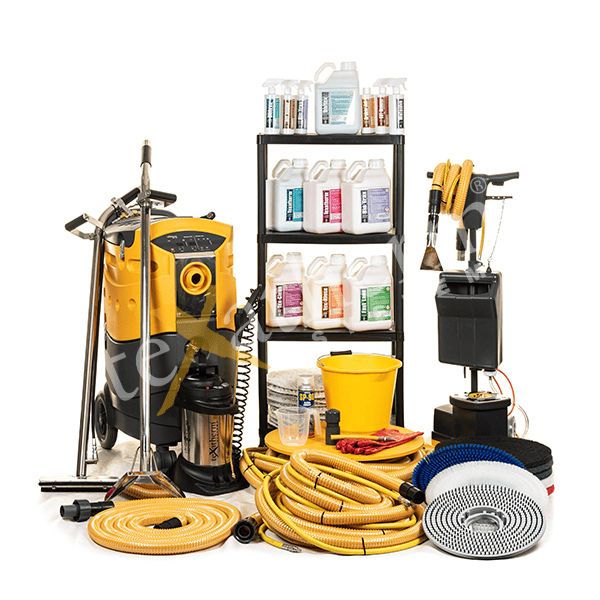
- In cases of severe decomposition, deodorisation treatments like ozone generators or chemical treatments may be required to remove lingering odours. The complexity of odour removal can add extra costs, particularly for larger areas.
Restoration and Repair: £500 to £2,000+
- In cases where the property has been heavily affected by biohazard contamination, you may need structural repairs or restoration of flooring, walls, and furniture. Restoration costs depend on the extent of the damage and the materials involved.
Personal Belonging Removal & Organisation: £300 to £1,000+
- If the family wishes to salvage personal items, such as sentimental or valuable belongings, the company may offer services to carefully handle and preserve these items during the clean-up process.
5. Travel and Location Factors
- Estimated cost for travel: £50 to £200+
- Some companies may charge additional fees for travel, particularly if the location is far from their headquarters. This cost will vary depending on the distance and the location in the UK.
Factors Influencing the Cost
- Size of the Property: Larger homes or properties will typically incur higher costs due to the increased time and labour involved in cleaning and disinfecting the space.
- Extent of Contamination: More extensive contamination (such as deep decomposition or multiple areas affected by bodily fluids) will increase the cost, as will situations requiring more intensive sanitisation and deodorisation.
- Duration of Decomposition: The longer the body has been deceased, the more complex and hazardous the clean-up will be. Decomposing bodies produce more fluid and odour, requiring more time and specialised equipment to safely clean.
- Type of Property: The condition and layout of the property also affect the cost. Difficult-to-access areas, multiple floors, or buildings with intricate layouts may incur additional charges for labour and equipment.
The cost of unattended death cleaning services in the UK can range from £500 to £5,000 or more, depending on the size of the property, the severity of contamination, and the level of cleaning required. It’s important to get a clear, detailed estimate from the cleaning company after they assess the situation. Many companies offer free quotes, so it’s advisable to contact a few professionals for comparisons to ensure you are getting a fair price for the service. Additionally, make sure the company is fully certified, insured, and experienced in handling biohazard clean-ups to ensure the job is done safely and thoroughly.
Specialist Cleaning Services Reviews:
⭐⭐⭐⭐⭐
Service: Unattended Death Cleaning, Biohazard Cleaning, Trauma Cleaning
“I was unfortunately faced with the responsibility of handling an unattended death situation at a family member’s property in London. Amber Adams UK came highly recommended, and their service was nothing short of exceptional. They arrived quickly, equipped with the necessary PPE and specialised equipment, and began immediately. Their attention to detail, from safely removing biohazardous materials to thoroughly sanitising the entire property, gave me peace of mind. The team was discreet and compassionate, making a difficult time much easier. The property was left in pristine condition, and they also handled all waste disposal with the utmost professionalism. Highly recommend for anyone needing biohazard cleaning services.”
— Sarah M., London
⭐⭐⭐⭐⭐
Service: Crime Scene Clean-Up, Bodily Fluids Cleaning, Squatters Cleaning
“Amber Adams helped us clear out a property in Manchester that had unfortunately been taken over by squatters. Not only did they manage the removal of large amounts of waste and debris, but they also dealt with the presence of bodily fluids and other hazardous materials. They went above and beyond in cleaning and disinfecting every room to ensure the property was safe. Their expertise in crime scene and trauma cleaning was evident. They were respectful, non-judgmental, and sensitive to the trauma the property owners had gone through. I was impressed with their professionalism and efficiency.”
— John T., Manchester
⭐⭐⭐⭐⭐
Service: Trauma Cleaning, Bodily Fluids Cleaning, Unattended Death Cleaning
“When a loved one passed away unexpectedly in their home, we didn’t know how to handle the aftermath. Amber Adams in Birmingham provided an outstanding service, managing every aspect of the cleaning process. From the moment they arrived, they put us at ease with their calm, professional approach. The team was careful and respectful while cleaning up, and their detailed sanitisation process was thorough. They even worked with the local authorities to ensure all necessary regulations were met for the disposal of biohazardous materials. I could not have asked for a better service during such a stressful time.”
— Emily K., Birmingham
⭐⭐⭐⭐⭐
Service: Biohazard Cleaning, Squatters Cleaning, Crime Scene Clean-Up
“Our company had to handle a property in Edinburgh that had been abandoned and left in a condition that required extensive cleaning. Amber Adams was quick to respond to our needs and took on the enormous task of clearing the property. The squatters had left behind waste, bodily fluids, and other hazardous substances. Amber Adams handled everything professionally, from removing hazardous materials to conducting thorough sanitisation of all surfaces. They ensured the property was not only clean but also safe for future occupants. We are grateful for their exceptional services and would recommend them without hesitation.”
— Neil P., Edinburgh
⭐⭐⭐⭐⭐
Service: Bodily Fluids Cleaning, Trauma Cleaning, Unattended Death Cleaning
“We were faced with a very sensitive situation involving an unattended death at a property in Leeds. Amber Adams team arrived swiftly and took charge of the entire process with exceptional care. They worked diligently to remove all bodily fluids and properly dispose of hazardous waste while ensuring the property was fully disinfected. The team took every precaution to protect the rest of the house, and they treated the situation with utmost respect. Their professionalism made a painful experience much more manageable, and I was able to focus on supporting my family rather than worrying about the clean-up.”
— Martin W., Leeds
⭐⭐⭐⭐⭐
Service: Trauma Cleaning, Crime Scene Clean-Up, Bodily Fluids Cleaning
Amber Adams UK in Glasgow provided an outstanding service after a traumatic event occurred at a family member’s home. Their staff were fully equipped and arrived within hours of my initial contact. They performed a deep clean of all affected areas, including removing hazardous bodily fluids, blood, and ensuring that all surfaces were thoroughly sanitised. The team was discreet, professional, and compassionate, offering guidance throughout the process. They were also fully compliant with health and safety standards, which gave me confidence that the clean-up was both thorough and safe. I am grateful for their support.”
— Hannah G., Glasgow
⭐⭐⭐⭐⭐
Service: Biohazard Cleaning, Squatters Cleaning, Unattended Death Cleaning
“We used Amber Adams for a challenging clean-up job in Cardiff after a long-term tenant had passed away in an unattended situation. The condition of the property was not something we were prepared for, but Amber Adams team was absolutely fantastic. They handled everything, from cleaning up bodily fluids to deodorising the property and dealing with potential contamination. Their services not only included cleaning but also waste disposal, which made everything easier for us. The property was left spotless, and the odour was completely gone. They were professional, punctual, and respectful throughout.”
— Karen L., Cardiff
⭐⭐⭐⭐⭐
Service: Crime Scene Clean-Up, Trauma Cleaning, Bodily Fluids Cleaning
“I contacted Amber Adams UK after a serious incident in Southampton left a property in need of specialised crime scene cleaning. They responded quickly and provided a thorough cleaning service that left the property free from any hazardous materials or unpleasant odours. The team was equipped with all the necessary safety gear and used hospital-grade disinfectants to ensure everything was properly sanitised. I was impressed with how they handled the situation with sensitivity and professionalism. Highly recommend their services to anyone needing biohazard or trauma cleaning.”
— Toby A., Southampton
⭐⭐⭐⭐⭐
Service: Squatters Cleaning, Biohazard Cleaning, Unattended Death Cleaning
“We had an unfortunate situation where squatters had left a property in Newcastle upon Tyne in a filthy state, with biohazard contamination present. Amber Adams UK came to our rescue. They swiftly arranged a site visit, identified the extent of contamination, and began the cleaning process immediately. The team was well-trained, professional, and very respectful of the circumstances. They not only handled the biohazard clean-up but also removed and disposed of the damaged furniture and belongings. The property was left clean and safe for reoccupation, and I couldn’t be more satisfied with their service.”
— Mark B., Newcastle upon Tyne
⭐⭐⭐⭐⭐
Service: Biohazard Cleaning, Crime Scene Clean-Up, Bodily Fluids Cleaning
“Amber Adams helped us with a property in Bristol that required biohazard cleaning after a traumatic incident. Their response time was incredibly fast, and their cleaning process was both efficient and thorough. They dealt with blood clean-up, sanitising the property, and disposing of any hazardous materials with professionalism. The team made the entire process seem easy, and we didn’t have to worry about the technicalities of safe disposal. Their customer service was outstanding, and I would not hesitate to recommend their services.”
— Rachel F., Bristol
Unattended Death Cleaning FAQ’s:
1. What is unattended death cleaning?
Answer:
Unattended death cleaning refers to the process of cleaning and sanitising a property where an individual has passed away and the body has been undiscovered for a period of time. This service involves the removal of biohazardous materials, such as blood, bodily fluids, and decomposition remnants, which pose health risks. It ensures that the property is thoroughly disinfected and restored to a safe and habitable condition.
2. What are biohazard cleaning services?
Answer:
Biohazard cleaning services are specialised cleaning operations that deal with hazardous materials, including bodily fluids, blood, tissues, and other potentially infectious substances. These services are typically required in situations involving death, trauma, crime scenes, or medical incidents. Professional biohazard cleaners are trained to safely handle and dispose of contaminated materials while following strict health and safety protocols.
3. Why is professional cleaning required after an unattended death?
Answer:
After an unattended death, bodily fluids, such as blood, urine, and other substances, can seep into carpets, furniture, walls, and other surfaces. Over time, decomposition occurs, creating hazardous conditions and strong odours that can be dangerous to anyone who enters the property. Professional cleaning ensures that these hazardous materials are removed, the property is sanitised, and it is made safe for reoccupation. Biohazard cleaners are equipped to handle dangerous pathogens and contaminants safely.
4. What types of biohazards are involved in unattended death cleaning?
Answer:
The primary biohazards in an unattended death scenario include:
- Blood: Can carry harmful diseases such as hepatitis and HIV.
- Bodily fluids: Urine, faeces, vomit, and other bodily fluids can contain pathogens.
- Decomposing body matter: A decomposing body releases fluids that can contaminate surfaces and create an unhealthy environment.
- Fungi and bacteria: Decomposition can lead to the growth of bacteria and mould, which can cause respiratory and other health problems.
5. Are the cleaning professionals trained to handle these situations?
Answer:
Yes, professional biohazard cleaning services are provided by certified experts who undergo specialised training in handling biohazardous materials. They are knowledgeable about the proper use of personal protective equipment (PPE), safe disposal of biohazard waste, and the required cleaning and disinfecting methods to ensure that the property is thoroughly sanitised.
6. Is biohazard cleaning covered by insurance?
Answer:
In many cases, biohazard cleaning services can be covered by your home insurance policy, particularly if the death was accidental or the result of an event like a crime or medical emergency. It’s important to check with your insurance provider to confirm your coverage and whether unattended death cleaning and biohazard services are included under your policy. Some providers may even recommend specific cleaning companies that specialise in biohazard removal.
7. What steps are involved in an unattended death cleaning service?
Answer:
The steps involved typically include:
- Initial assessment: The cleaning team evaluates the site to determine the extent of contamination.
- Securing the area: The area is sealed off to prevent cross-contamination and ensure safety.
- Biohazard removal: Removal of contaminated materials, such as blood-soaked furniture, flooring, and personal items.
- Cleaning and disinfecting: Use of professional-grade disinfectants and sanitising agents to thoroughly clean all affected surfaces.
- Odour removal: Application of deodorisers or ozone treatment to eliminate lingering smells.
- Final inspection: A final check is performed to ensure all hazards are removed, and the property is safe.
8. How long does the cleaning process take?
Answer:
The length of time required for unattended death cleaning depends on several factors, such as the size of the property, the extent of contamination, and the condition of the site. On average, it can take anywhere from several hours to multiple days. A professional cleaning company will provide an estimated timeline after assessing the situation.
9. How much does unattended death cleaning cost in the UK?
Answer:
The cost of unattended death cleaning can vary based on the complexity of the job, the size of the property, and the extent of contamination. On average, you can expect to pay between £500 and £2,000 for professional cleaning services. For more severe cases, such as long-term decompositions or multiple affected rooms, the price may be higher. It’s advisable to obtain a quote from a cleaning company that offers transparent pricing based on a detailed assessment.
10. What should I do before the cleaning company arrives?
Answer:
Before the cleaning team arrives, it’s important to:
- Secure the area: Keep people away from the contaminated area to avoid further exposure.
- Inform the company of the situation: Provide as much detail as possible about the extent of contamination, which can help the cleaning professionals prepare.
- Remove any personal items: If possible, remove any personal belongings that do not need to be cleaned.
11. Can the cleaning company remove items with sentimental value?
Answer:
Yes, many cleaning companies offer the option of handling and preserving sentimental items, such as photographs or valuable personal belongings, during the cleaning process. These items are often carefully stored, cleaned, and returned to the property owner. Be sure to communicate any items you want to preserve before the clean-up begins.
12. What happens to the biohazard waste after the cleaning?
Answer:
Biohazardous materials, including bodily fluids and contaminated items, must be disposed of according to strict regulations. Professional cleaning services are responsible for handling waste disposal, ensuring it is transported and disposed of in compliance with environmental and health safety laws. Most companies work with certified waste management providers who are licensed to handle and dispose of hazardous materials properly.
13. Is it safe to re-enter the property after cleaning?
Answer:
Once the cleaning is complete, the property will be thoroughly sanitised, deodorised, and deemed safe for re-entry. The cleaning team will conduct a final inspection to ensure all hazards have been addressed, and health and safety guidelines have been met. Only after these measures have been confirmed will you be cleared to re-enter the property.
14. How do I choose the right biohazard cleaning service?
Answer:
When selecting a biohazard cleaning service, consider the following:
- Certification and qualifications: Ensure the company is certified and follows industry standards for biohazard removal.
- Experience: Look for a company with experience in handling death clean-up, trauma scenes, and hazardous materials.
- Reputation: Read reviews and ask for recommendations from trusted sources.
- Transparency: Choose a company that offers clear pricing and procedures, and ensures confidentiality.
- Customer support: Select a service with excellent customer support to assist you during this difficult time.
15. Do cleaning services help with insurance claims?
Answer:
Many biohazard cleaning companies assist with insurance claims by providing the necessary documentation and reports required by insurance companies. This often includes before-and-after photographs, detailed invoices, and a description of the services provided. It’s best to check with the cleaning company in advance to ensure they can assist with this process.
Why Choose Amber Adams for Your After Death Cleaning Services Across England, Scotland, Wales, and Ireland
When faced with the difficult and sensitive task of dealing with the aftermath of an unattended death, trauma, or biohazardous situation, choosing the right cleaning company is essential. Amber Adams offers the most professional, compassionate, and discreet after-death cleaning services across England, Scotland, Wales, and Ireland. Here’s why you should trust Amber Adams for all your after-death and biohazard cleaning needs:
1. Polite, Professional, Compassionate, and Discreet Service
At Amber Adams, we understand the sensitive nature of cleaning a property after a death. Our team provides not only a thorough cleaning service but also a compassionate, non-judgemental approach to support families and property owners during an emotionally challenging time. We strive to maintain the highest levels of professionalism and discretion, ensuring that every aspect of the service is handled with the utmost respect and care for all involved.
2. Rapid Emergency Response Across the UK
We know that in cases of unattended deaths or trauma, time is of the essence. That’s why Amber Adams offers rapid emergency response services across England, Scotland, Wales, and Ireland. Our local teams are always on standby, ready to respond swiftly and begin cleaning and sanitisation without delay, ensuring that the property is safe, clean, and habitable as quickly as possible.
3. Fully Insured and Registered with the Environment Agency
Amber Adams is fully insured for all aspects of the biohazard cleaning process, giving you peace of mind that you are protected throughout the service. Additionally, we are registered with the Environment Agency as a top-tier waste carrier, ensuring all hazardous materials, including bodily fluids and contaminated items, are disposed of safely and in compliance with UK environmental laws.
4. CSCS-Certified Cleaners and DBS Checked Specialists
Our team of specialist cleaners holds CSCS cards, confirming their competence and expertise in working on sites that require professional safety measures. We also ensure all of our cleaners are DBS checked, ensuring they meet the highest standards of trustworthiness and reliability, especially when handling such delicate and personal situations.
5. Years of Knowledge, Training, and Expertise
With years of knowledge, training, and expertise, Amber Adams has developed a reputation for providing the highest standard of after-death and biohazard cleaning services. Our staff is trained in all aspects of biohazard cleaning, including the safe removal of hazardous materials, the proper use of cleaning chemicals, and the latest techniques to ensure thorough sanitisation and decontamination.
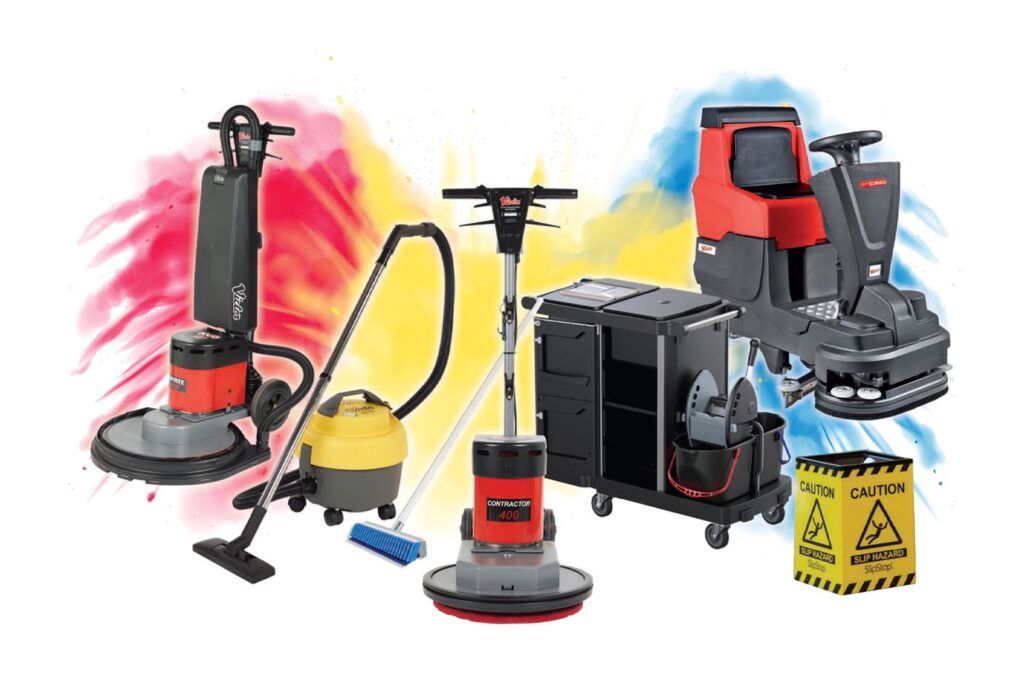
6. High-Quality Cleaning Products, Materials, and State-of-the-Art Biohazard Equipment
We pride ourselves on using high-quality cleaning products, materials, and state-of-the-art biohazard cleaning equipment. This allows us to safely and effectively address even the most severe contamination. From hospital-grade disinfectants to advanced deodorising systems, we ensure that every step of the process is performed to the highest standard.
7. Local Teams Across England, Scotland, Wales, and Ireland
Amber Adams has local teams strategically located across England, Scotland, Wales, and Ireland, ensuring that no matter where you are located, we can provide rapid, efficient service tailored to your needs. This local presence also means that we can respond quickly and efficiently to your situation without the need for lengthy travel times, making our service both convenient and timely.
8. Detailed Checklist for Comprehensive Cleaning
We believe in providing our clients with complete transparency and peace of mind. That’s why we follow a detailed checklist throughout our cleaning process to ensure that nothing is missed. From biohazardous waste removal to deep sanitisation, deodourisation, and final inspection, our checklist guarantees that all necessary steps are taken to restore your property to a safe and clean state.
9. Full-Service Biohazard Cleaning Under One Roof
Amber Adams is a full-service biohazard cleaning company that handles every aspect of the cleaning process under one roof. From trauma cleaning and unattended death cleaning to hazardous waste disposal, decontamination, and sanitisation, we offer comprehensive services to address every need. This eliminates the need to hire multiple service providers and ensures a seamless, coordinated approach to handling even the most complex clean-up tasks.
10. Trust and Reliability
Amber Adams is committed to delivering the highest standard of service with trust and reliability. We understand the importance of getting the job done correctly and efficiently, which is why our clients repeatedly trust us with their cleaning needs. Our reputation speaks for itself, and our goal is always to make a challenging situation as easy as possible for our clients.
Contacting Amber Adams UK is Easy!
Choosing Amber Adams means choosing a company that combines expertise, compassion, and efficiency when handling after-death and biohazard cleaning services. With a professional, local team available across England, Scotland, Wales, and Ireland, Amber Adams ensures your property is cleaned to the highest standards while you receive the compassionate support you deserve. Whether you’re dealing with the aftermath of an unattended death, trauma, or a biohazard situation, we are here to help – with rapid emergency response, fully insured services, and a commitment to making the process as smooth as possible.
For polite, professional, compassionate, and discreet after-death cleaning services, Amber Adams is your trusted partner across the UK and Ireland.