Carpet Cleaning Services: Types of carpets from all over the world
Carpet Cleaning Services: Types of carpets from all over the world
Carpets come in various styles, materials, and origins. Below is a comprehensive list of the types of carpets from around the world, including traditional and modern varieties:
1. Persian Carpets (Iran)
- Persian Tabriz – Known for intricate patterns and high-quality wool.
- Persian Kashan – Distinguished by floral motifs and deep red or blue tones.
- Persian Isfahan – Famous for their fine craftsmanship and silk detailing.
- Persian Nain – Made with fine wool and silk, often featuring a central medallion design.
- Persian Qom – Made with high-quality silk, often featuring floral designs.
2. Turkish Carpets (Turkey)
- Anatolian – Known for traditional handwoven techniques, often using bold geometric patterns.
- Hereke – Luxury carpets made in Hereke, Turkey, often featuring intricate patterns and silk material.
- Kilim – Flatwoven carpets, typically using wool, with geometric or tribal designs.
- Oushak – Large and soft wool carpets, often featuring medallions or floral designs.
3. Afghan Carpets
- Kilim – Flatwoven carpets, often using wool and geometric patterns.
- Baluchi – Made by the Baluchi people, often featuring intricate tribal designs.
- Herat – Known for their rich colours and intricate patterns.
4. Indian Carpets
- Kashmir – Known for their fine craftsmanship and use of silk and wool.
- Jaipur – Renowned for bright colours and floral patterns, often hand-knotted.
- Agra – Known for its intricate floral patterns and rich colours.
- Rugs from Bhadohi – Woollen carpets that feature traditional designs like geometric patterns.
5. Moroccan Carpets
- Beni Ourain – Handwoven wool rugs, known for their simple, geometric patterns, often in black and white.
- Azilal – Colourful handwoven wool rugs, featuring abstract or symbolic patterns.
6. Chinese Carpets
- Chinese Silk Rugs – Made with fine silk, these carpets are known for their detailed patterns, often floral or animal-inspired.
- Peking Rugs – Handwoven with wool and cotton, often featuring floral patterns and vibrant colours.
- Tibetan Rugs – Known for their vibrant, geometric designs and use of natural wool.
7. Pakistani Carpets
- Pakistani Chobi Rugs – Made from natural, undyed wool, these rugs have earthy tones.
- Pakistani Peshawar – Hand-knotted wool rugs with geometric or floral patterns.
8. Egyptian Carpets
- Egyptian Cotton Carpets – Known for their luxurious softness and durability.
- Cairo Rugs – Often feature traditional or geometric patterns, woven with fine cotton.
9. Caucasian Carpets (from the Caucasus Region)
- Shirvan – Known for bold geometric patterns and rich colours.
- Kazakh – Often features geometric patterns, woven with high-quality wool.
- Karabakh – Rugs from the Karabakh region, known for their tribal designs and natural dyes.
10. Berber Carpets (North Africa)
- Moroccan Berber – Handwoven with wool and featuring geometric patterns, often in neutral colours.
- Tuareg Rugs – Woven by the Tuareg people, often using wool and featuring geometric patterns.
11. European Carpets
- Belgian Wool Carpets – Known for their high-quality wool and contemporary designs.
- French Aubusson Rugs – Elegant, handwoven carpets featuring floral patterns, often using wool and silk.
- Spanish Rugs – Known for their bright, bold designs, often incorporating floral or geometric patterns.
12. American Carpets
- Oriental Rugs – Many Oriental-style rugs are woven in the United States, inspired by traditional Eastern designs.
- Axminster Rugs – British-made wool carpets, known for their woven construction and detailed patterns.
- Shaw Rugs – Woven in the U.S., Shaw Rugs often incorporate a combination of synthetic and natural fibres.
13. Carpet Styles by Technique
- Hand-knotted Carpets – Made by tying knots of wool or silk onto a loom, the quality and intricacy of the knots determine the value.
- Hand-tufted Carpets – Made by pushing yarn through a fabric backing to create the design, generally faster and less expensive than hand-knotted carpets.
- Flatweave (Kilim-style) – These are non-pile rugs woven from wool or cotton, featuring geometric or tribal designs.
- Wilton Carpets – A type of machine-made carpet using a specific weaving method, often found in commercial spaces.
14. Modern Carpets
- Saxony Carpet – A type of cut-pile carpet with a soft, luxurious feel, typically made from synthetic fibres.
- Frieze Carpet – Known for its twisted yarns, this type of carpet gives a more textured look.
- Shag Carpets – Featuring long, soft fibres, shag carpets give a relaxed, retro style.
- Berber Carpet – A looped-style carpet, often used in both commercial and residential applications.
15. Other Notable Carpets
- Jute Rugs – Made from natural jute fibres, these eco-friendly rugs have a rough texture.
- Seagrass Rugs – Woven from seagrass, these rugs are durable and typically used in rustic or natural interiors.
- Sisal Rugs – Made from sisal plant fibres, these rugs are durable and environmentally friendly.
- Coir Rugs – Made from coconut husk fibres, these are often used for door mats and rustic décor.
This comprehensive list includes many famous types of carpets from all around the world, each with its own unique design, quality, and characteristics.
What Is Carpet Cleaning?
Carpet cleaning is the process of removing dirt, stains, and allergens from carpets to restore their appearance, improve hygiene, and extend their lifespan. Over time, carpets can accumulate dust, dirt, and bacteria, which can affect both the carpet’s appearance and indoor air quality. Regular cleaning helps maintain a healthy and clean living environment, especially in homes, offices, and industrial settings.
How Is Carpet Cleaning Done?
Carpet cleaning typically involves several key steps:
- Inspection: Assessing the type of carpet, the level of soiling, and any specific areas requiring special attention.
- Vacuuming: Thoroughly vacuuming the carpet to remove loose dirt, dust, and debris.
- Stain Treatment: Applying appropriate stain removal solutions to target stubborn stains.
- Cleaning Method: Using a suitable cleaning method depending on the type of carpet and the level of dirt.
- Drying: Ensuring the carpet dries properly to prevent mould growth and damage.
- Finishing Touches: Brushing the carpet to restore its texture and appearance.
Different Methods of Carpet Cleaning
There are several different methods for carpet cleaning, each suited to various types of carpets, soiling levels, and cleaning requirements. Below are some common methods used around the world:
1. Steam Carpet Cleaning (Hot Water Extraction)
- How it Works: Hot water is injected into the carpet under high pressure. The water is mixed with cleaning agents to loosen dirt and debris. A vacuum then extracts the dirty water along with the debris.
- Best For: Residential carpets, especially those with deep-set stains, allergens, and heavy soil.
- Pros: Effective at cleaning deep into the carpet fibres, sanitizes, removes allergens, and provides thorough cleaning.
- Global Usage: Commonly used in both residential and commercial cleaning, especially in the UK, US, and Australia.
2. Dry Carpet Cleaning (Dry Compound Cleaning)
- How it Works: A powder or compound, often made from biodegradable materials, is applied to the carpet. This compound absorbs dirt and grime, which is then vacuumed up, leaving the carpet clean.
- Best For: Residential carpets or areas where quick drying time is important.
- Pros: Minimal drying time, non-toxic, suitable for delicate carpets, and eco-friendly.
- Global Usage: Popular in hotels, offices, and homes where carpets need to be cleaned quickly.

3. Carpet Washing Services
- How it Works: This method involves washing carpets in water, often in specialised washing machines designed for large area rugs or carpets. The carpets are soaked in water and cleaned with detergents, followed by thorough rinsing and drying.
- Best For: Rugs or carpets with heavy soiling or those needing restoration.
- Pros: Ideal for heavily soiled carpets, deep cleaning, and the use of specialised detergents.
- Global Usage: Commonly used for hand-made or large rugs, especially in countries with a rich history of weaving carpets, such as India, Iran, and Turkey.
4. Carpet Valeting (Professional Carpet Care)
- How it Works: Carpet valeting typically involves a deep cleaning service, often using a combination of steam cleaning and dry cleaning methods, along with regular maintenance procedures like vacuuming and stain removal.
- Best For: Regular maintenance of residential and commercial carpets.
- Pros: Comprehensive service that includes deep cleaning, stain removal, and odour elimination. Often used in luxury or high-traffic areas.
- Global Usage: Common in homes, hotels, and offices looking for consistent carpet care.
5. Bonnet Cleaning (Carpet Surface Cleaning)
- How it Works: A rotary machine with a bonnet or cloth is used to scrub the carpet surface, lifting dirt and grime. The machine uses a cleaning solution, and the bonnet absorbs the dirt.
- Best For: Commercial properties and low-pile carpets in areas with moderate soil levels.
- Pros: Quick, effective for surface cleaning, and requires minimal drying time.
- Global Usage: Often used in hotels, commercial spaces, and high-traffic areas.
6. Encapsulation Carpet Cleaning
- How it Works: A cleaning solution encapsulates dirt particles, turning them into crystals. These crystals are then vacuumed up, leaving the carpet clean and dry.
- Best For: Commercial and residential spaces with low to moderate traffic.
- Pros: Fast drying time, minimal water usage, and can be done frequently.
- Global Usage: Commonly used in commercial settings where fast drying and minimal downtime are essential.
7. Shampooing
- How it Works: A shampoo cleaning machine uses detergent mixed with water to scrub the carpet. The solution is then extracted, leaving the carpet clean.
- Best For: Old, heavily soiled carpets in residential homes.
- Pros: Effective at removing dirt and stains, and the carpet is left looking fresh.
- Global Usage: Frequently used in residential carpet cleaning, though less common in commercial settings.
8. Wet Carpet Cleaning (Flood Restoration)
- How it Works: This method is typically employed after flooding or water damage. It involves extracting water, sanitising the area, and drying the carpet.
- Best For: After water damage or flooding in residential or commercial spaces.
- Pros: Restores carpets after water damage, prevents mould and mildew growth.
- Global Usage: Commonly used in disaster restoration services worldwide.

Types of Carpet Cleaning for Specific Applications
- Residential Carpet Cleaning: Generally uses methods such as steam cleaning or dry cleaning. The goal is to restore the carpet’s appearance while removing allergens, stains, and bacteria from the fibres.
- Industrial Carpet Cleaning: Often uses heavy-duty machines such as truck-mounted steam cleaners or industrial-grade vacuum systems. Industrial cleaning focuses on larger areas with heavy foot traffic, such as in warehouses or factories.
- Commercial Carpet Cleaning: Typically done with methods like bonnet cleaning or encapsulation. Commercial carpet cleaning is designed to handle high-traffic areas and may require quicker drying times due to the need to maintain business operations.
Choosing the Right Carpet Cleaning Method
- Factors to Consider:
- Type of Carpet: Delicate carpets like wool may require gentler cleaning methods, while synthetic carpets can handle more intense cleaning methods.
- Level of Soiling: If the carpet is heavily soiled, methods like steam cleaning or carpet washing may be more effective. For light cleaning, dry cleaning or encapsulation might suffice.
- Drying Time: Dry cleaning or encapsulation methods are ideal for spaces where fast drying is necessary.
- Health Concerns: If allergies or asthma are concerns, a deep cleaning method like steam cleaning may help remove allergens and dust mites effectively.
- Eco-friendliness: If you’re environmentally conscious, opt for carpet cleaning methods that use eco-friendly or biodegradable detergents, like dry cleaning or encapsulation.
Carpet cleaning is essential for maintaining the longevity of your carpets while also ensuring a clean, healthy indoor environment. Various methods are available, each catering to different types of carpets, soiling levels, and requirements. Whether you need steam cleaning, dry cleaning, or professional carpet washing, there are options to suit your needs. Regular cleaning ensures that your carpets continue to perform well and look their best, whether they’re in residential, commercial, or industrial spaces.
Impacts of Dirty Carpets on Health
Dirty carpets can pose several health risks to both the occupants of a property and the overall indoor environment. While carpets are often associated with providing comfort, insulation, and aesthetic value, they can become a breeding ground for harmful bacteria, allergens, and pollutants if not cleaned regularly. Below are the potential health impacts of dirty carpets:
1. Allergies and Respiratory Issues
Dirty carpets can trap dust, pollen, pet dander, and other allergens, which can affect individuals with allergies or asthma. These particles can trigger symptoms such as:
- Sneezing
- Coughing
- Runny or stuffy nose
- Itchy or watery eyes
- Shortness of breath
People with pre-existing respiratory conditions, such as asthma, are particularly vulnerable. Prolonged exposure to these allergens can exacerbate symptoms and lead to more serious health issues.
2. Mould and Mildew Growth
Moisture or dampness in carpets can promote the growth of mould and mildew. If carpets are not cleaned or dried properly, particularly in humid environments, mould spores can spread throughout the carpet fibres and into the air, potentially leading to:
- Respiratory problems
- Allergic reactions
- Skin irritation
- Fatigue or headaches
Mould can be especially dangerous for individuals with compromised immune systems, such as the elderly or those with chronic illnesses, as it can cause severe health complications.
3. Bacterial Infections
Carpets can harbour bacteria, especially in areas that are frequently used, such as living rooms or bedrooms. Bacteria from spills, food, pet waste, and other sources can accumulate in the fibres. Some harmful bacteria that may thrive in dirty carpets include:
- E. coli: Often associated with food contamination, it can cause severe stomach and intestinal infections.
- Salmonella: Another harmful bacteria that can lead to gastrointestinal illnesses.
- Staphylococcus: A bacteria that can cause skin infections and more severe conditions such as pneumonia or blood infections.
Dirty carpets, especially in high-traffic areas, can become a source of bacterial contamination and pose a serious health threat to people and pets.
4. Dust Mites
Dust mites are microscopic creatures that thrive in warm, moist environments. Carpets provide an ideal breeding ground for dust mites, which feed on dead skin cells. The waste from dust mites can trigger allergic reactions, including:
- Sneezing
- Coughing
- Asthma attacks
- Itchy eyes
Over time, the accumulation of dust mites in dirty carpets can exacerbate allergy symptoms and increase the risk of respiratory issues, especially for those who are sensitive to them.
5. Pet Dander
For households with pets, dirty carpets can trap pet dander, which is made up of tiny particles shed by animals. Pet dander is a common allergen and can lead to:
- Asthma symptoms
- Sneezing and coughing
- Skin rashes
- Eye irritation
Pet dander can linger in carpets long after pets have left the area, making regular cleaning essential for keeping allergies under control.
6. Increased Risk of Skin Infections
Dirty carpets can also pose a risk to skin health. If the carpet is contaminated with bacteria, fungi, or mould, it can contribute to skin infections, rashes, or irritations. Prolonged exposure to these contaminants may lead to conditions such as:
- Fungal infections (e.g., athlete’s foot)
- Eczema flare-ups
- Rashes or itching
Carpet fibres can act like a sponge, absorbing dirt and bacteria, which can then come into contact with the skin when you walk barefoot on the carpet.
7. Poor Indoor Air Quality
Dirty carpets can contribute to poor indoor air quality. As carpets trap dust, dirt, and pollutants, they can release these particles back into the air when disturbed by walking, vacuuming, or other activities. This can result in:
- Increased dust and pollutants in the air
- Breathing difficulties for individuals with respiratory conditions
- A general sense of discomfort or unpleasant odours
In homes with dirty carpets, the air quality may deteriorate, leading to ongoing health concerns for everyone in the space.
8. Odour Issues
As carpets trap dirt, moisture, and bacteria, they can also begin to develop unpleasant odours. These odours can be caused by:
- Food spills
- Pet accidents
- Mould growth
- Stagnant moisture
Odour issues may not only make the living environment uncomfortable but may also contribute to respiratory problems, particularly for individuals with sensitivities.
9. Increased Risk of Accidents
Dirty carpets, particularly those that are covered in dirt, grime, or food spills, can create slippery surfaces, leading to an increased risk of slips and falls. This is especially concerning for elderly individuals or those with limited mobility, as falls can result in serious injuries.
10. Mental Health Impacts
Living in an environment with dirty carpets and poor indoor hygiene can also affect mental health. Studies have shown that cluttered and dirty living spaces can contribute to:
- Anxiety
- Stress
- Lowered overall well-being
- Reduced productivity and focus
The physical discomfort caused by allergens, odours, and dirt can negatively impact mental health, making it important to maintain a clean and hygienic home environment.
How to Prevent Health Issues from Dirty Carpets
To mitigate the health risks associated with dirty carpets, regular cleaning is essential. Here are some steps to help maintain carpet cleanliness and prevent health problems:
- Vacuum regularly: At least once a week, vacuum the carpets to remove dirt, dust, and allergens.
- Steam clean: Use professional steam cleaning services to deep clean carpets and remove bacteria, mould, and allergens.
- Use allergen-reducing products: Consider using carpet cleaning solutions designed to reduce allergens and remove dust mites.
- Address spills immediately: Clean up any spills or accidents promptly to prevent stains, bacteria growth, and odour.
- Professional cleaning: Schedule professional carpet cleaning services at least once a year to ensure deep cleaning and maintenance.
Dirty carpets can significantly impact your health by contributing to allergies, respiratory issues, bacterial infections, skin problems, and more. Regular cleaning and proper maintenance are essential to ensure carpets remain hygienic, safe, and comfortable for everyone in the household. Investing in routine cleaning, especially deep cleaning methods like steam cleaning, can improve indoor air quality, reduce health risks, and ensure a clean and healthy living environment.
How Often Should You Get Your Carpets Cleaned?
The frequency with which you should clean your carpets depends on a number of factors, including the type of carpet, how much foot traffic it receives, whether you have pets or children, and whether anyone in your household suffers from allergies or respiratory issues. However, as a general guideline, most experts recommend having your carpets professionally cleaned at least once a year. Below is a breakdown of factors to consider when determining the ideal cleaning frequency for your carpets:
1. General Guideline for Carpet Cleaning
- Every 6 to 12 months: For most homes with normal foot traffic and no pets, a professional clean every 6 to 12 months should be sufficient to keep your carpets in good condition. This will help to remove dirt, dust, and allergens that can accumulate over time.
2. Homes with Pets
- Every 6 months or more frequently: If you have pets, particularly cats or dogs that shed hair and dander, your carpets will need more frequent cleaning. Pet hair, dirt, and odours can build up quickly, and regular cleaning is essential to keep your home smelling fresh and to reduce allergens.
- Why more frequent cleaning is necessary for pet owners:
- Pet accidents can cause stains and unpleasant odours.
- Pets track dirt, pollen, and allergens inside.
- Pet dander can exacerbate allergies and asthma, so it’s crucial to maintain a clean environment.
3. Homes with Children
- Every 6 to 12 months: Families with young children may want to consider more frequent cleaning because children are prone to spills, accidents, and bringing in dirt from outside. Also, since children spend more time on the floor, it’s important to ensure the carpets are thoroughly cleaned to prevent health risks.
4. High-Traffic Areas
- Every 3 to 6 months: In homes or offices with high foot traffic, such as hallways, stairs, and living rooms, carpets may need to be cleaned more frequently. High-traffic areas accumulate dirt, grime, and allergens more quickly due to the constant use of these spaces.
- Why high-traffic areas need more frequent cleaning:
- Foot traffic causes dirt and debris to be pushed deeper into the carpet fibres.
- These areas may develop stains or become discoloured faster due to the accumulation of dirt.
- Regular cleaning helps to maintain the appearance of the carpet and prolong its lifespan.
5. Allergy Sufferers or Respiratory Issues
- Every 3 to 6 months: If anyone in your household suffers from allergies or asthma, it’s advisable to clean the carpets more frequently. Carpets trap dust mites, pollen, pet dander, and other allergens, which can exacerbate allergic reactions or breathing problems. Regular cleaning will help improve air quality and reduce allergens in your home.
6. Homes with Smokers
- Every 6 months or more frequently: If there are smokers in your home, the carpets may retain smoke odour and particles. In such cases, professional cleaning every 6 months, or even more frequently, is recommended to remove the odour and contaminants.
7. After Special Events or Heavy Spills
- As needed: If you’ve hosted a large event, had a party, or dealt with a major spill, it’s a good idea to get your carpets cleaned as soon as possible. Stains, spills, and heavy traffic can damage the carpet and cause lingering odours, so acting quickly can help prevent lasting damage.
8. Commercial and Industrial Spaces
- Every 3 to 6 months: For commercial and industrial spaces that experience high levels of foot traffic, such as offices, hotels, restaurants, and retail outlets, carpets should be professionally cleaned more frequently, typically every 3 to 6 months, to maintain a professional appearance and a healthy indoor environment.
9. Specific Carpet Types
- Wool Carpets: Wool is a natural fibre that requires gentler cleaning to prevent damage. Cleaning wool carpets once every 12 months is usually sufficient, but they may require more frequent maintenance if exposed to heavy foot traffic or staining.
- Synthetic Carpets (Nylon, Polyester): Synthetic carpets are more durable and resistant to staining than natural fibres. They may require cleaning every 6 to 12 months depending on foot traffic and how dirty they become.
- Berber or Loop-Pile Carpets: These carpets tend to trap dirt and debris within their loops. If you have this type of carpet, it’s advisable to clean it more regularly (every 6 months) to avoid dirt build-up in the fibres.
Signs Your Carpets Need Cleaning
Even if you are following a general cleaning schedule, there are some signs that may indicate your carpets need a clean before the next scheduled visit:
- Visible stains or spots: If you notice visible stains or dirty patches, it’s time to clean the carpet.
- Lingering odours: Unpleasant smells, especially after spills, pet accidents, or smoking, can be an indication that your carpet needs a deep clean.
- Increased allergies or respiratory issues: If you or anyone in your household is suddenly experiencing allergy symptoms, it may be because allergens have built up in your carpets.
- Matted or flattened fibres: If your carpet fibres have become flattened or matted in high-traffic areas, a deep clean and restoration may be necessary.
Carpet cleaning frequency depends on various factors, including household size, pets, foot traffic, and health concerns. As a general rule, carpets should be cleaned every 6 to 12 months, but certain conditions may require more frequent cleaning. Regular professional cleaning not only improves the appearance and longevity of your carpet but also helps maintain a healthy indoor environment by removing allergens, bacteria, and other harmful contaminants. If you are unsure of how often to clean your carpets, consult a professional carpet cleaning service for personalised advice based on your specific needs.
Difference Between Normal Carpet Cleaning and Carpet Cleaning After Biohazard, Trauma, Crime Scene, Unattended Death, and Suicide
Carpet cleaning is a regular maintenance task in most households or businesses to keep carpets looking fresh and free from dirt, stains, and allergens. However, when a carpet has been exposed to biohazards such as bodily fluids, trauma, crime scenes, unattended deaths, or suicides, the cleaning process is drastically different. The key difference lies in the safety precautions, cleaning procedures, and materials used to address the potentially harmful contaminants.
Here’s a breakdown of the differences between normal carpet cleaning and biohazard cleaning in situations like trauma, crime scenes, unattended deaths, and suicides:
1. Type of Contaminants Involved
Normal Carpet Cleaning
- Common Contaminants: Dust, dirt, stains, pet dander, allergens, food crumbs, and normal everyday grime.
- Standard Cleaning Agents: Carpet shampoo, water-based detergents, and steam are commonly used for cleaning regular dirt and stains.
Biohazard Carpet Cleaning (Trauma, Crime Scene, Unattended Death, Suicide)
- Biohazards and Contaminants: Includes bodily fluids (blood, vomit, urine, faeces), human tissue, pathogens, chemicals, and hazardous substances. These can come from accidents, suicides, murders, violent crimes, or unattended deaths.
- High Risk: Potential exposure to infectious diseases (e.g. Hepatitis B, Hepatitis C, HIV, MRSA) and other harmful bacteria, viruses, or fungi. Contaminants like bodily fluids can seep deep into the carpet fibres, padding, and underlying materials, requiring specialised cleaning techniques to ensure all pathogens are safely removed.
2. Cleaning Techniques
Normal Carpet Cleaning
- Basic Cleaning Methods:
- Vacuuming: Regular vacuuming to remove dirt and dust.
- Steam Cleaning: Using hot water extraction to clean and remove stains.
- Dry Cleaning: Using powder or foam cleaning solutions to lift dirt from the carpet.
- Shampooing: Applying a cleaning solution to break down dirt and stains.
Biohazard Carpet Cleaning
- Specialised Methods and Techniques:
- Containment: Before cleaning starts, the area is contained to prevent cross-contamination. This includes isolating the room or space and ensuring that other parts of the property are unaffected.
- Personal Protective Equipment (PPE): The cleaning team wears extensive PPE, such as gloves, biohazard suits, masks, face shields, goggles, and respirators to protect themselves from exposure to harmful contaminants.
- Disinfection: Involves using hospital-grade disinfectants that are effective against viruses, bacteria, and other pathogens.
- Steam Cleaning or Hot Water Extraction: Steam or hot water is used at high temperatures to sanitize the carpet and eliminate harmful pathogens from the surface and deep within the carpet.
- Antiviral and Antibacterial Treatments: Specialised products, including antiviral disinfectants and cleaners, are used to target dangerous bacteria and viruses.
- Deodorising and Odour Removal: In cases of trauma, crime scenes, or death, the carpet may absorb foul odours from bodily fluids. Professional biohazard cleaners use ozone treatment, enzyme cleaners, and professional-grade deodorisers to eliminate the smell.
3. Health & Safety
Normal Carpet Cleaning
- Minimal Health Risks: The risks during standard carpet cleaning are usually low, limited to potential mild irritation from cleaning chemicals or detergent residues.
- Safety Measures: Cleaners may use gloves and masks to avoid inhaling dust or debris. There is also a focus on ensuring the area is safe and the environment is non-toxic.
Biohazard Carpet Cleaning
- High Health Risks: The cleaning process involves significant health risks due to the exposure to bloodborne pathogens, harmful bacteria, and viruses. Improper cleaning or failure to properly sanitize the carpet can lead to contamination of the environment and pose serious health risks.
- Strict Safety Protocols: Professional biohazard cleaning specialists undergo specialised training and certification (e.g. in accordance with the Health and Safety Executive (HSE) guidelines) to handle and dispose of biohazardous waste. All work must be carried out according to rigorous health and safety protocols to ensure the safety of workers and inhabitants.
4. Equipment Used
Normal Carpet Cleaning
- Standard Equipment:
- Vacuum cleaners.
- Steam cleaners or hot water extraction machines.
- Carpet shampooers and brushes.
- Dry cleaning machines or rotary scrubbing machines.
Biohazard Carpet Cleaning
- Specialised Equipment:
- Heavy-duty PPE: Full-body protective suits, respirators, gloves, face shields, etc.
- Antimicrobial/Antiviral Disinfectants: Strong disinfectants that kill viruses and bacteria.
- Portable Steam Cleaners or High-Pressure Hot Water Extraction Machines: These machines are designed to deeply sanitise carpets and absorb excess moisture.
- Ozone Generators: Used to neutralise odours caused by biohazards and decomposition.
- Air Scrubbers: Devices used to purify the air by removing harmful bacteria, viruses, and pathogens that may be airborne during the cleaning process.
5. Disposal of Contaminants
Normal Carpet Cleaning
- Waste Disposal: The waste generated from regular cleaning is typically limited to dirt, dust, and detergent residues. These are usually disposed of down the drain or in regular waste bins.
Biohazard Carpet Cleaning
- Special Waste Disposal: The cleaning team is responsible for the safe disposal of any biohazardous materials, including contaminated carpets, padding, and cleaning materials. Biohazardous waste must be collected in secure, leak-proof containers and transported according to local regulations for disposal at certified biohazard waste facilities.
- Regulations Compliance: Professionals follow strict guidelines laid out by the Environment Agency and other relevant authorities to ensure the safe disposal of hazardous materials.
6. Emotional Support and Sensitivity
Normal Carpet Cleaning
- No Emotional Impact: Regular carpet cleaning typically doesn’t carry any emotional burden.
Biohazard Carpet Cleaning
- Compassionate Approach: Cleaning up after a traumatic event such as a suicide, crime scene, or unattended death is emotionally challenging for everyone involved. Professionals working in biohazard cleaning are trained to be compassionate, discreet, and non-judgmental, providing much-needed support to families and property owners during a difficult time. The service is carried out with the utmost respect and sensitivity.
While both normal carpet cleaning and biohazard carpet cleaning aim to remove dirt and grime from the carpet, the key difference lies in the nature of the contaminants involved. Regular carpet cleaning deals with everyday dirt and debris, whereas biohazard cleaning addresses serious, potentially harmful contamination from bodily fluids, viruses, bacteria, and other hazardous materials. Professional biohazard cleaners use specialised techniques, tools, and safety measures to ensure the area is thoroughly cleaned, disinfected, and safe for use once again.
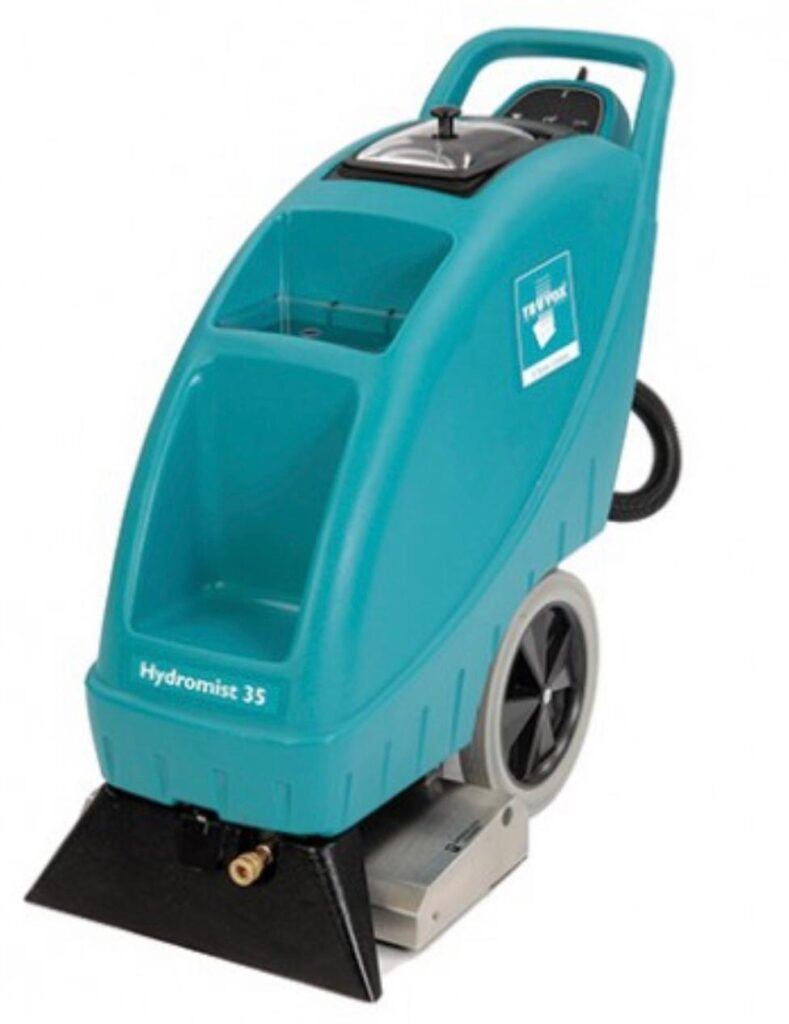
If you are dealing with a biohazard situation, it is crucial to hire a certified, experienced, and fully insured specialist cleaning service that adheres to all safety protocols and ensures complete decontamination.
How to find a reliable carpet cleaning company?
Carpet Cleaning Add-On Services:
Carpet cleaning add-on services are additional treatments that can enhance the standard carpet cleaning process, addressing specific issues that regular cleaning may not fully resolve. These services can be particularly useful for homes or commercial properties that experience issues like pet odours, deep stains, or heavy traffic. Here are some common carpet cleaning add-on services:
1. Pet Fumigation and Odour Removal
If your carpet has been exposed to pet accidents, urine, or lingering odours, a pet fumigation service is an excellent way to ensure a fresh and clean environment.
- Pet Fumigation: This involves using specialised equipment to treat carpets and the surrounding area to eliminate pet odours caused by urine, feces, or other pet-related waste. The process uses deodorising agents that target the root cause of the smell and can neutralise it at a molecular level.
- Odour Deodorising: Carpet cleaning services may use a range of deodorising products to neutralise any unpleasant smells from pets, food, smoke, or dampness. Some products include natural ingredients like baking soda or enzymes, while others might use chemical deodorants for stronger odour removal. This treatment can be done in conjunction with a steam clean or hot water extraction.
2. Stain Removal Treatments
Carpet stains, especially those caused by spills, can be stubborn and difficult to remove. Some carpet cleaning companies offer specialised stain removal services that focus on certain types of stains, such as:
- Red wine
- Coffee or tea stains
- Ink or pen marks
- Mud and dirt
- Food stains
Special cleaning agents are used to break down and remove these stains from deep within the carpet fibres, restoring the carpet’s appearance.
3. Deep Carpet Cleaning
A deep clean goes beyond standard cleaning methods to provide a more intensive treatment. This often involves hot water extraction, which uses high-pressure water combined with cleaning agents to remove dirt, stains, and grime from deep within the carpet.
This service can be particularly helpful for carpets in high-traffic areas or older carpets that require more thorough cleaning to remove ingrained dirt.
4. Carpet Protection (Scotchgard)
After your carpet has been cleaned, it’s a good idea to apply a protective treatment, such as Scotchgard. This service applies a special protective coating to the carpet fibres that helps repel dirt, spills, and stains.
- Benefits of Carpet Protection:
- Stain resistance: Protects the carpet from stains caused by food, drink, and other spills.
- Long-lasting: The treatment can extend the life of your carpets by preventing wear and tear.
- Easy cleaning: With the protective layer, cleaning becomes easier and less frequent.
5. Mould and Mildew Treatment
If your carpet has been exposed to damp conditions or water damage, it may have developed mould or mildew. A mould and mildew treatment involves specialised products that target fungal growth and prevent it from spreading. This is particularly important in damp areas, such as basements or bathrooms, where the risk of mould growth is higher.
6. Stain Guarding or Anti-Stain Treatments
Stain guard treatments provide an additional layer of protection against future stains. These treatments are applied after cleaning and provide a protective shield to carpet fibres, making it harder for dirt, liquids, or stains to penetrate the surface.
7. Carpet Drying
After a steam or hot water extraction clean, carpets may take time to dry, especially if they are thick or in high-moisture areas. Carpet drying services use industrial fans or air movers to accelerate the drying process, ensuring that the carpet is ready to use quickly and preventing potential mould growth.
8. Ozone Purification
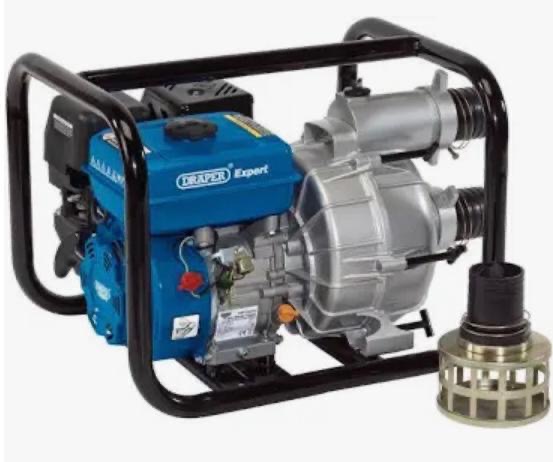
An ozone purification treatment is a powerful cleaning add-on for homes or offices with heavy odour problems, including pet odours, smoke, or other persistent smells. Ozone purifiers emit ozone (O₃), which interacts with contaminants in the air and neutralises unwanted odours by breaking down the molecules that cause them.
- Ozone treatment benefits:
- Odour removal: Highly effective for removing tough smells.
- Sanitisation: Also helps kill bacteria, viruses, and allergens in the air and carpet.
- Quick action: The treatment is fast and works within hours.
9. Anti-Allergen Treatment
For those with allergies or asthma, an anti-allergen treatment may be added to the carpet cleaning service. This treatment uses specialised chemicals designed to neutralise dust mites, pet dander, and other allergens in the carpet fibres.
- Benefits:
- Reduces allergens in the home, creating a healthier environment for people with respiratory issues.
- Helps to relieve symptoms like sneezing, coughing, or itchy eyes caused by allergens.
10. Upholstery Cleaning
In addition to carpets, upholstery cleaning may be offered as an add-on service for sofas, chairs, and other fabric-covered furniture. This can help remove dust, dirt, stains, and odours from your soft furnishings.
- Key aspects:
- Can be done with steam or hot water extraction methods.
- Helps to remove stains and deep-seated dirt.
- Also includes deodorising and sanitisation.
11. Rug Cleaning
Many carpet cleaning companies also offer rug cleaning as an add-on service, especially for delicate or valuable rugs (e.g., Persian, Oriental, or wool rugs).
- Rug cleaning methods include:
- Hand washing for delicate rugs.
- Hot water extraction or steam cleaning for larger, durable rugs.
12. Mattress Cleaning
Some companies offer mattress cleaning as an additional service to remove dust, dirt, sweat, and allergens that accumulate in your mattress. This is particularly beneficial for homes with allergies or pets.
By adding these extra services to your standard carpet cleaning, you can achieve a deeper, more thorough clean, address specific issues like odours and stains, and extend the life of your carpets. Whether you’re dealing with pet accidents, high-traffic areas, or simply want to give your carpets an extra layer of protection, these carpet cleaning add-ons can be tailored to meet your needs.
Always check with your carpet cleaning company to discuss your requirements and any additional services they offer, so you can make the best decision for your home or business.
Combining Carpet Cleaning with End of Tenancy Cleaning and Move-In Cleaning Service
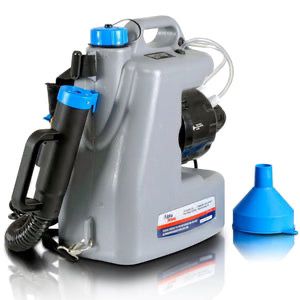
When moving in or out of a property, one of the most significant tasks is ensuring that the place is clean, fresh, and ready for occupancy. This is especially true for tenants, landlords, or real estate agents managing the handover of a property. Combining carpet cleaning with end of tenancy cleaning and move-in cleaning can ensure that every aspect of the property is spotless, welcoming, and hygienic for the next tenants. Here’s why these services should be considered together and how they work harmoniously.
Why Combine Carpet Cleaning with End of Tenancy and Move-In Cleaning?
1. Comprehensive Cleanliness Combining these services provides a thorough, all-encompassing cleaning solution for the entire property, ensuring every corner is addressed. While end of tenancy cleaning or move-in cleaning tackles the surfaces, kitchens, bathrooms, and appliances, carpet cleaning ensures that the floors, which often collect dirt and stains, are given special attention.
2. Save Time and Money Booking all three services together offers both time and cost efficiency. Instead of scheduling different appointments with separate cleaning companies, you can arrange a single visit from a professional cleaning team, which saves on both labour costs and time.
3. Enhanced Hygiene Carpets can accumulate a range of allergens, bacteria, dust mites, and odours over time. When combined with a deep end of tenancy cleaning, this ensures that the space is not only free of visible dirt but also free from contaminants that can affect the health and well-being of the new tenants or residents.
4. Improved Property Appeal For landlords or agents, the cleanliness of the property directly impacts how quickly it rents out or sells. Having fresh, clean carpets combined with a thorough cleaning of the rest of the property can make a lasting impression and increase the property’s market appeal.
The Three Main Services Explained
1. Carpet Cleaning
Carpet cleaning involves various techniques aimed at removing dirt, stains, odours, and bacteria. Common methods include:
- Steam Cleaning (Hot Water Extraction): This is the most effective method for deep cleaning carpets. It involves injecting hot water and cleaning agents into the carpet fibres and extracting dirt and debris.
- Dry Cleaning: Ideal for carpets that cannot withstand excessive water. A dry cleaning solution is applied to the carpet to lift dirt and debris.
- Encapsulation Cleaning: A method where a cleaning solution is applied to the carpet, which then crystallises dirt and allows it to be vacuumed away.
- Shampooing: A more traditional method where a carpet is lathered with shampoo-like solution and then extracted.
Carpet cleaning not only revives the appearance of carpets but also neutralises any unpleasant odours caused by pets, food, or spills. It is essential during end-of-tenancy cleaning as tenants often want to leave carpets looking fresh for the next occupants.
2. End of Tenancy Cleaning
This type of cleaning ensures that the property is left in pristine condition, fulfilling the requirements of landlords or estate agents. Typically, it includes:
- Deep Clean of All Surfaces: Dusting and wiping down all surfaces, including skirting boards, light fixtures, windowsills, and baseboards.
- Kitchen Cleaning: Thorough cleaning of all kitchen surfaces, appliances (oven, fridge, microwave, etc.), countertops, and cabinets.
- Bathroom Cleaning: Scrubbing all surfaces in the bathroom, including tiles, sinks, bathtubs, mirrors, and toilets.
- Floor Cleaning: Sweeping, mopping, or vacuuming hard floors, and of course, carpet cleaning.
- Window Cleaning: Cleaning all interior windows to remove any dirt or smudges.
End of tenancy cleaning ensures that the property meets the cleanliness standards required for tenants to get their deposit back and for landlords to prepare it for the next occupant.
3. Move-In Cleaning
For new tenants, move-in cleaning ensures that the property is pristine before they settle in. This cleaning service often overlaps with end of tenancy cleaning and can include:
- Complete Property Clean: A full cleaning of the property before moving in.
- Fresh Carpets: Ensuring that carpets are deep cleaned and sanitised.
- Sanitising: Special attention is given to kitchen surfaces, bathrooms, and high-touch areas to ensure they are sanitised.
- Windows and Fixtures: Clean windows, blinds, and all light fixtures, so the property looks brand new.
Move-in cleaning offers peace of mind to tenants, knowing they are moving into a clean and hygienic living space.
Benefits of Combining Carpet Cleaning with End of Tenancy and Move-In Cleaning
1. Save Time on Multiple Appointments
Rather than arranging separate cleaning sessions for the carpet, kitchen, and bathroom, combining all services into one streamlined process allows you to complete the entire cleaning job in a single visit, saving you both time and effort.
2. Complete Deep Clean for a Healthier Environment
In addition to removing dirt, stains, and unpleasant smells, the cleaning process helps remove allergens and harmful bacteria. This can be especially important for people with allergies or respiratory issues, providing a healthier environment for new tenants.
3. Professional Touch
Hiring professionals who specialise in these combined services ensures that every corner of the property is addressed to a high standard. Professional cleaners are equipped with the knowledge, tools, and experience to tackle all aspects of the cleaning process, including specialised carpet treatments.
4. Increased Satisfaction
A well-maintained property benefits both tenants and landlords. Tenants can move into a spotless home, while landlords are assured that their property is ready for the next occupant, helping maintain the property’s value.
What’s Included in a Combined Cleaning Package?
Here’s a checklist of what you can typically expect when you book carpet cleaning with end of tenancy and move-in cleaning:
- Carpet Cleaning:
- Steam cleaning (hot water extraction) or dry cleaning for carpets
- Stain removal and deodorising
- Removal of pet odours or allergens
- End of Tenancy Cleaning:
- Full deep clean of all surfaces, including kitchen, bathroom, living spaces
- Cleaning of hard floors, windows, and fixtures
- Appliance and furniture cleaning
- Dusting and sanitising all areas
- Move-In Cleaning:
- A complete fresh clean of the entire property
- Special attention to cleanliness in high-traffic areas
- Deodorising and sanitisation of all surfaces
When Should You Schedule Combined Cleaning Services?
- End of Tenancy: It’s best to schedule your end of tenancy cleaning a few days before you hand over the keys, giving you enough time to deal with any touch-ups or last-minute adjustments.
- Move-In: Ideally, schedule your move-in cleaning before the moving trucks arrive, so you can start fresh in a thoroughly clean environment.
- Carpet Cleaning: If the carpets are particularly dirty or have not been cleaned in a while, arrange for this as part of your cleaning package to ensure the property is fresh and inviting.
Combining carpet cleaning with end of tenancy cleaning and move-in cleaning is a smart choice for ensuring your property is in top condition, whether you’re moving out or moving in. This combination provides a deep, thorough clean for the entire space, from floors to ceilings, while ensuring that carpets are sanitised and fresh. By booking all services together, you save time, money, and energy, all while providing a healthier, more inviting space for new tenants or owners.

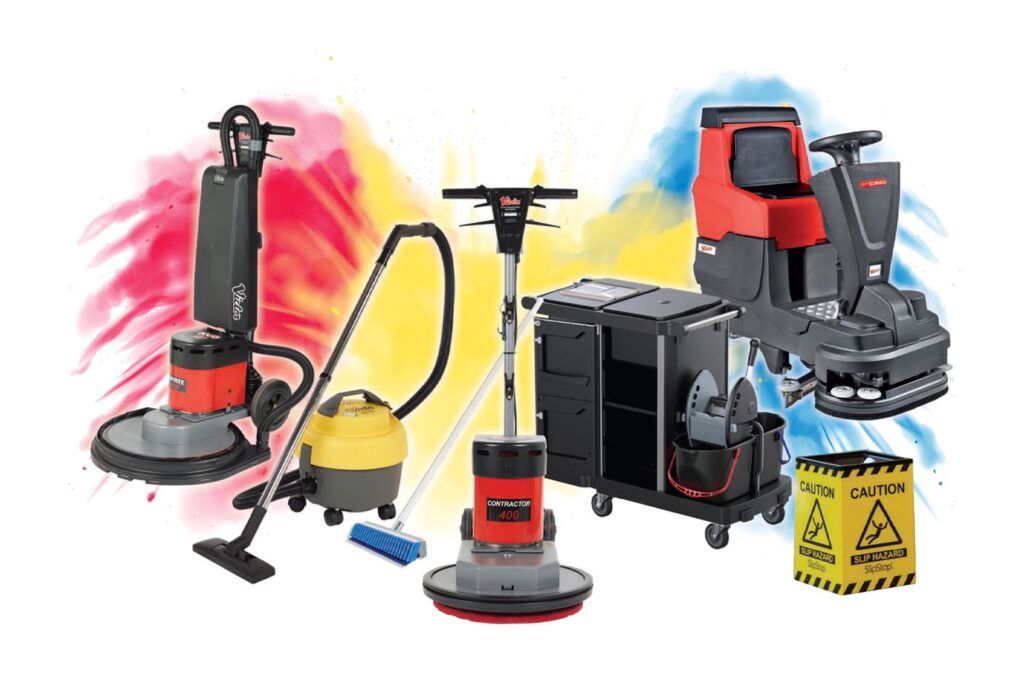
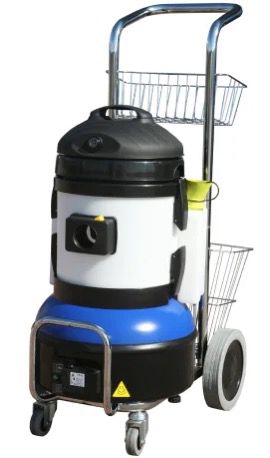
What are some of the best carpet cleaning machines and why?
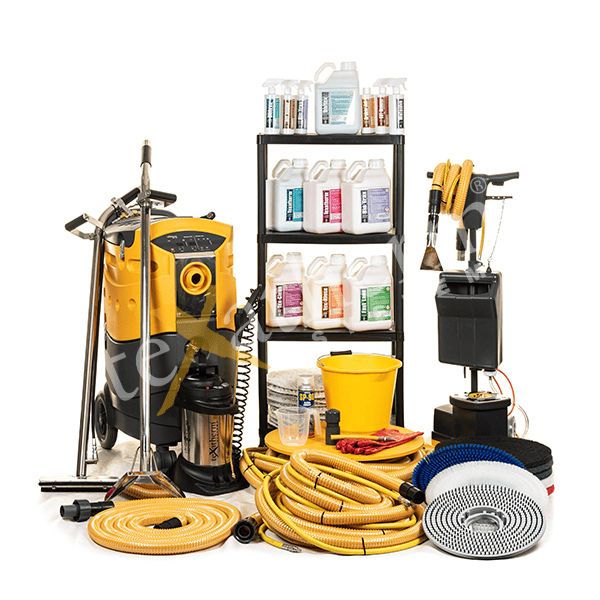
What carpet cleaning materials do you require to carry-out a professional carpet cleaning service?
To carry out a professional carpet cleaning service for residential, commercial, and industrial carpets, a range of materials and equipment are required to ensure the job is done efficiently, effectively, and safely. Below is a comprehensive list of materials, including eco-friendly options, detergents, fluids, and other essentials necessary for a complete carpet cleaning service.
1. Carpet Cleaning Machines & Equipment
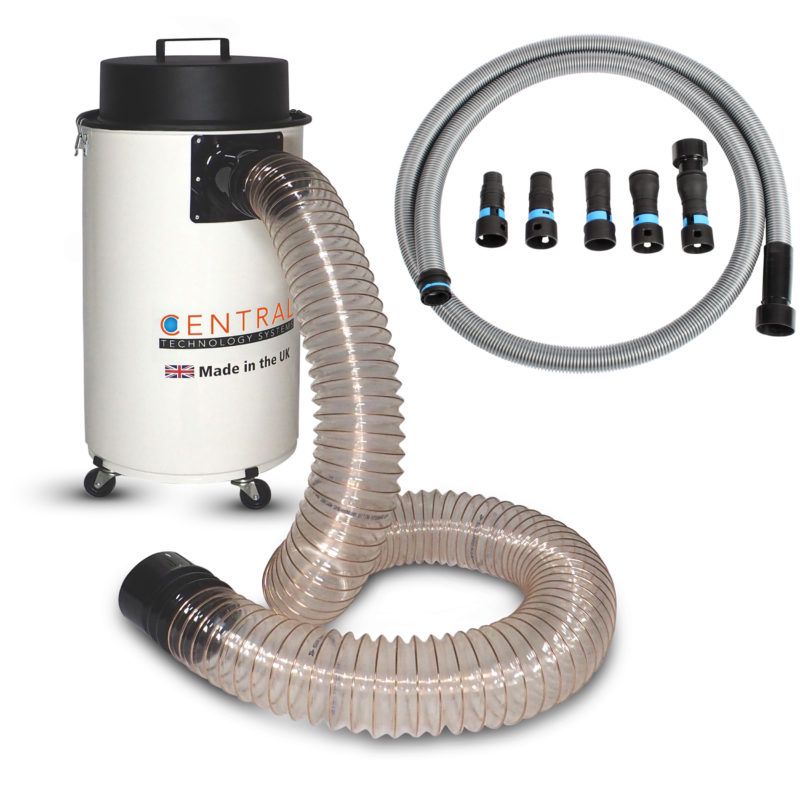
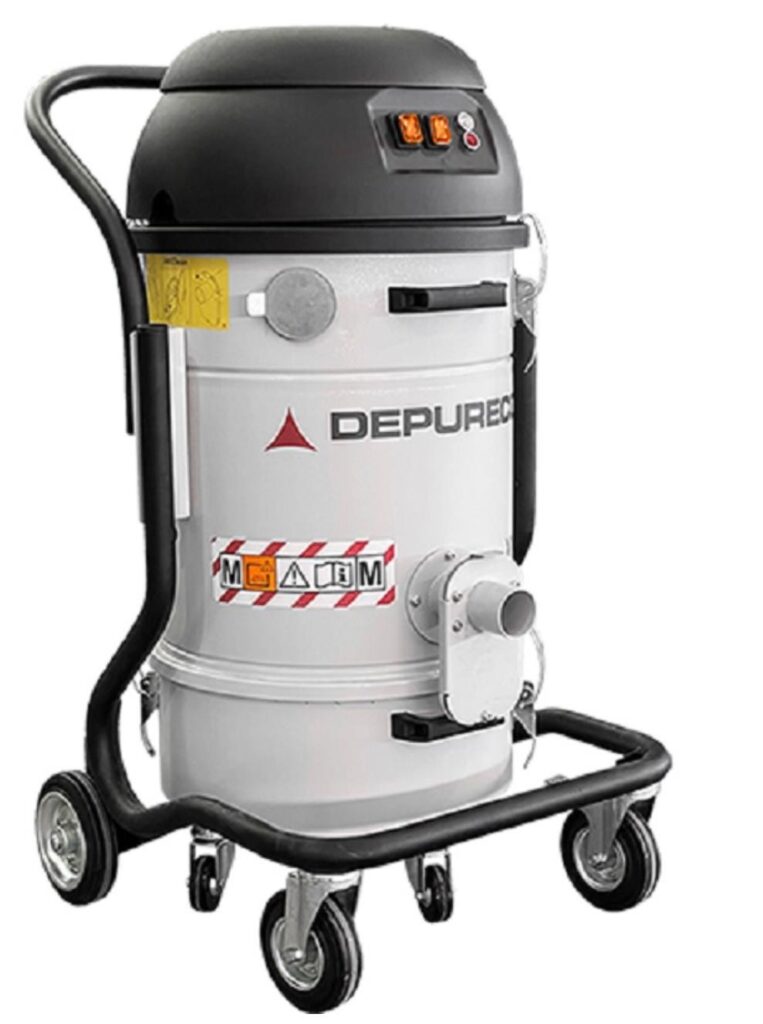
- Vacuum Cleaners: Powerful vacuums are essential for removing dirt, dust, and loose debris from carpets before beginning the cleaning process.
- Eco-friendly Options: Use vacuums with high-efficiency particulate air (HEPA) filters to capture allergens and dust, promoting healthier indoor air quality.
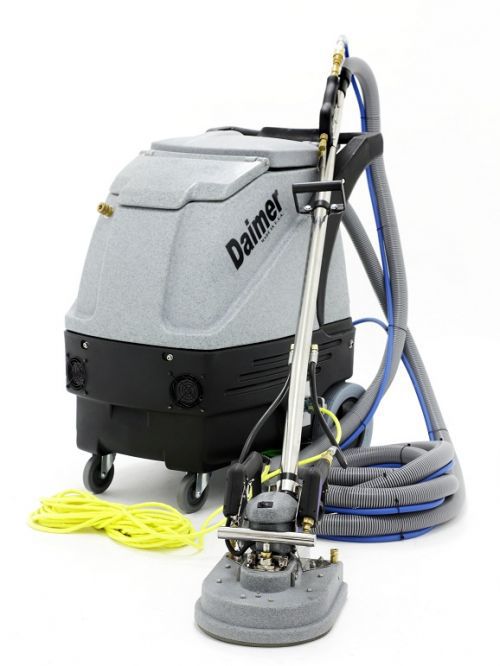
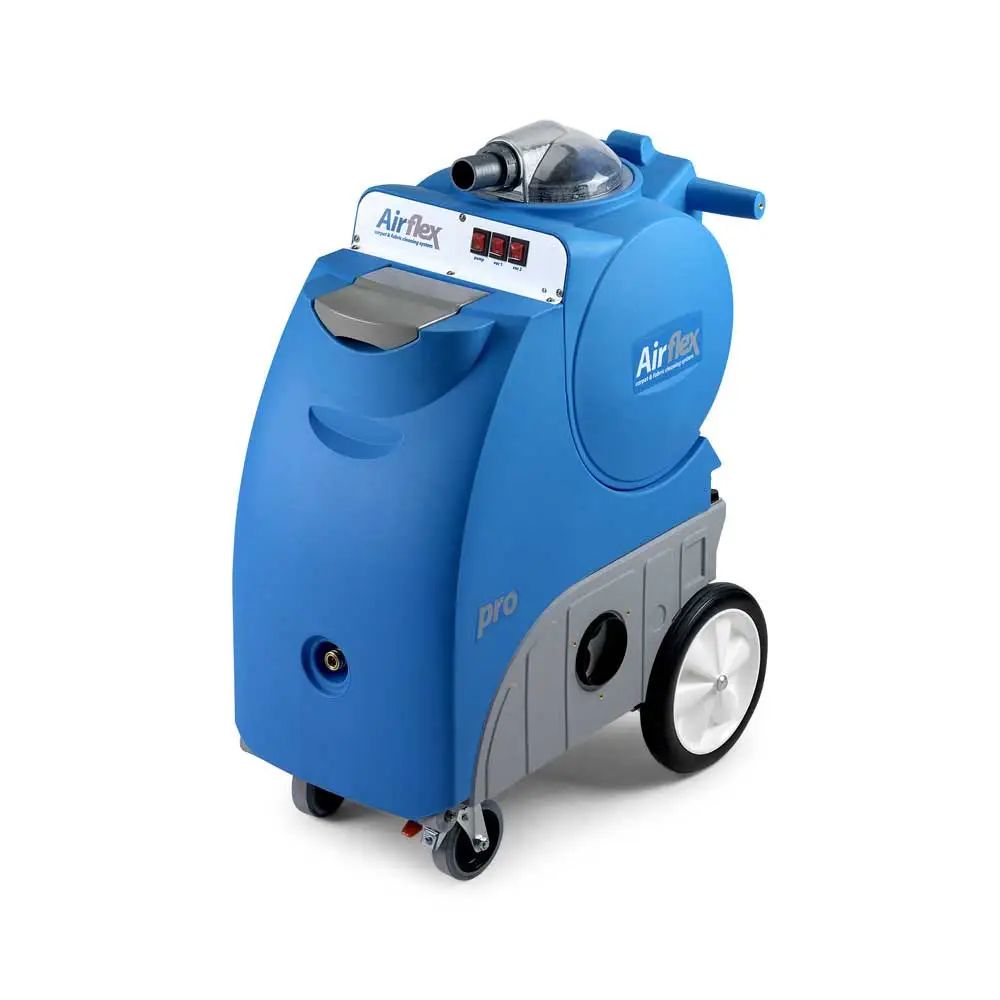
- Carpet Steam Cleaners: Use steam cleaning machines (e.g., hot water extraction) for deep cleaning carpets. These machines inject hot water and eco-friendly detergents into the carpet fibres and then extract the dirt and grime.
- Rotary Scrubber: This is used in commercial and industrial spaces to scrub deep-set dirt and stains out of carpet fibres.
- Carpet Extractors: These are essential for commercial and industrial carpet cleaning. They pull dirt out of the carpet with suction power.
2. Eco-friendly Carpet Cleaning Detergents & Solutions
- Eco-Friendly Carpet Shampoo or Detergents:
- Green Seal Certified Products: Look for products with certifications like Green Seal or Eco-Logo, which ensure the cleaning agents meet high environmental standards.
- Plant-Based Detergents: These are biodegradable and non-toxic, making them safer for both the environment and your health.
- Citrus-Based Cleaning Products: Use citrus-based cleaners for their natural grease-cutting power, pleasant scent, and eco-friendly ingredients.
- Enzyme Cleaners: Enzyme-based cleaners break down organic stains, such as food, pet urine, and sweat, in a way that is gentle on the environment and effective at cleaning.
- pH-Balanced Carpet Cleaning Solution: Ensure the detergent has a balanced pH level (neutral or slightly acidic) to prevent damage to the carpet fibres while cleaning.
- Non-Toxic All-Purpose Cleaners: For spot cleaning or smaller areas, non-toxic, multi-surface cleaners that are effective on carpets but safe for the environment are ideal.
3. Eco-Friendly Deodorisers
- Baking Soda: A natural deodoriser that can be sprinkled over the carpet before cleaning to help neutralise odours. It’s non-toxic and highly effective at eliminating unpleasant smells.
- Vinegar and Water: A mixture of white vinegar and water can be used as a natural deodoriser and to help dissolve mineral deposits, especially in areas with hard water.
- Essential Oils: Natural essential oils like lavender, tea tree, or eucalyptus oil can be used in the cleaning solution or as an added scent boost after cleaning. They also have natural antibacterial properties.
4. Eco-Friendly Carpet Cleaning Fluids
- Eco-Friendly Solvents: In cases of stubborn stains, eco-friendly solvents made from natural ingredients such as citrus or soy derivatives can be used. These solvents break down oils and grease without harming the environment or your carpet.
- Water-Based Detergents: These detergents are typically used in hot water extraction or steam cleaning methods. Water-based detergents are safer and often biodegradable.
- Cleansing Tablets: Some industrial-grade machines use cleansing tablets, which are compact and often formulated with environmentally friendly ingredients.
5. Cleaning Accessories
- Carpet Brushes: Soft and medium brushes are used to agitate the carpet fibres and lift dirt during the cleaning process. It’s important to use brushes with non-abrasive bristles to avoid damaging the carpet.
- Spot Cleaning Brushes: For smaller stains, spot cleaning brushes are used to gently scrub the stain without spreading it across a larger area.
- Microfiber Cloths or Towels: These are ideal for cleaning up excess water or detergent after the cleaning process. Microfiber is highly absorbent and effective at removing dirt and stains.
- Squeegees: Squeegees are often used in industrial and commercial cleaning settings to quickly and efficiently remove excess water from carpets, ensuring a fast drying process.
6. Carpet Protectors & Stain Guards
- Carpet Protector Solutions: These are applied after cleaning to create a protective layer on the fibres, making it harder for dirt and stains to penetrate. Many carpet protector solutions are now available in eco-friendly formulas.
- Stain-Resistant Treatments: Use environmentally friendly stain-resistant treatments, such as fluoropolymer-based products, that don’t release harmful chemicals into the environment.
7. Suction & Drying Equipment
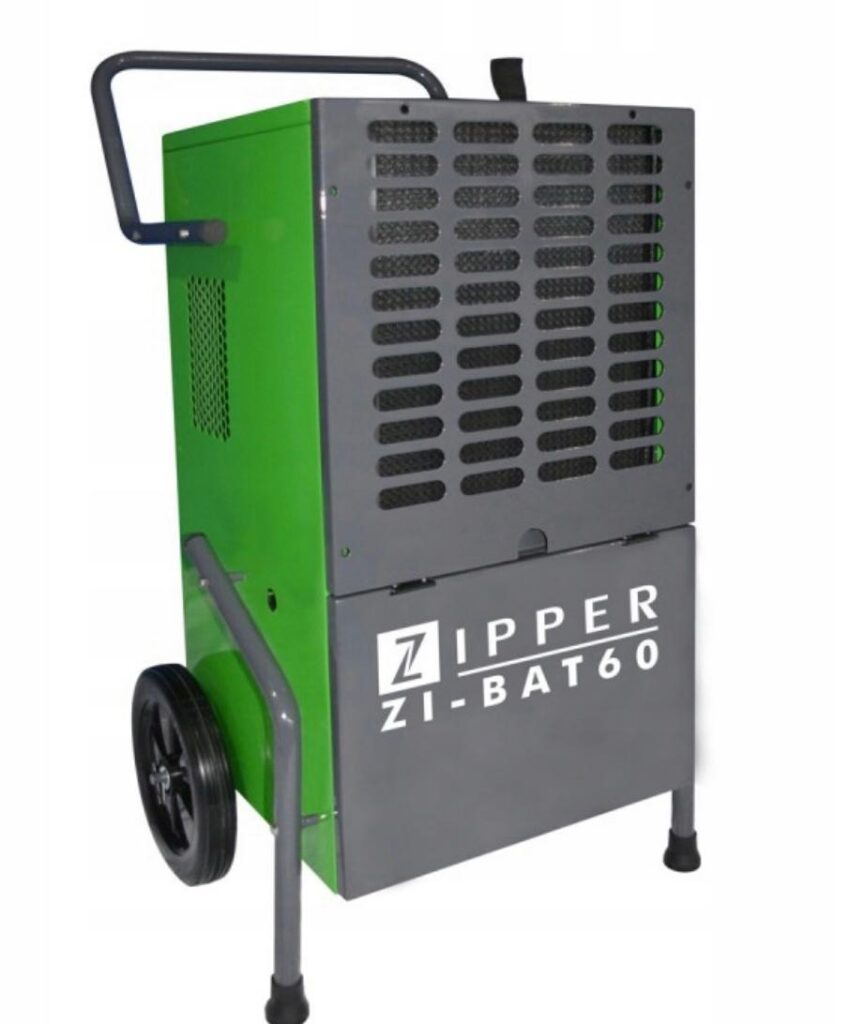
- Drying Fans or Air Movers: These are necessary to dry the carpets quickly after cleaning. Industrial drying fans are ideal for commercial and industrial spaces, where a faster drying time is crucial to prevent damp or mould growth.
- Dehumidifiers: In commercial or industrial settings, dehumidifiers help reduce moisture in the air, speeding up the drying process and preventing the growth of mildew or mould.
8. Hazardous Waste Disposal Materials (For Biohazard Clean-ups)
- Protective Gloves: Use heavy-duty, chemical-resistant gloves to protect workers from cleaning chemicals, germs, or any bodily fluids or contaminants (in case of biohazard or trauma cleaning).
- Waste Bags: Heavy-duty waste bags are used for the disposal of hazardous materials, such as bodily fluids, blood, or contaminants in biohazard situations.
- Sharps Containers: For the safe disposal of any sharp objects, such as needles or glass, found during cleaning in biohazard or trauma cleaning jobs.
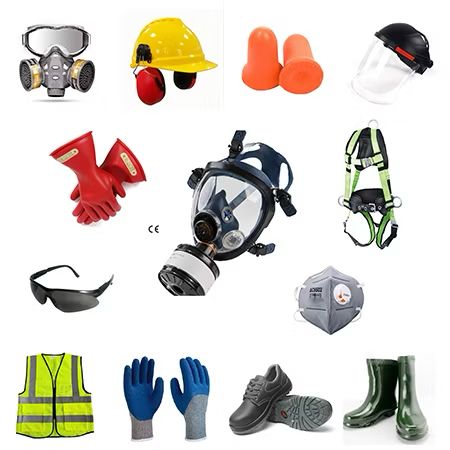
9. PPE & RPE (Personal Protective Equipment & Respiratory Protective Equipment)
- Face Masks: In cases where chemicals or biohazardous substances are being cleaned, face masks (preferably N95 or higher) are worn to prevent inhalation of dust, fumes, or harmful vapours.
- Eye Protection (Goggles): To protect workers from any splashes of chemicals or allergens that may be present during the cleaning process.
- Protective Suits: Full-body suits may be necessary in biohazard or trauma cleaning, providing complete protection from bodily fluids or contaminants.
- Rubber Boots or Steel-Toe Boots: These provide safety and protection, especially in commercial or industrial cleaning environments.
10. Eco-Friendly Carpet Cleaning Chemicals and Disinfectants
- Thyme and Clove Oil-Based Disinfectants: Natural disinfectants derived from essential oils can be effective for sanitising carpets without using harsh chemicals. Thyme oil, for instance, is antimicrobial, while clove oil has antifungal properties.
- Hydrogen Peroxide Solutions: For removing stubborn stains like wine or blood, hydrogen peroxide (3%) can be a safer, eco-friendly alternative to chemical stain removers.
- Sodium Bicarbonate (Baking Soda) for Stain Removal: A mild abrasive used to scrub stains without damaging carpets. It can also be used to neutralise strong smells.
Materials for Professional Carpet Cleaning:
- Carpet Cleaning Machines: Vacuums, steam cleaners, and extractors.
- Eco-Friendly Detergents & Cleaners: Plant-based, enzyme, and pH-balanced detergents.
- Deodorisers & Fresheners: Baking soda, vinegar, and essential oils.
- Carpet Protectors & Stain Guards: Eco-friendly, non-toxic solutions.
- Drying Equipment: Fans, air movers, and dehumidifiers.
- PPE & Waste Disposal Materials: Gloves, goggles, suits, and waste bags.
- Special Cleaning Fluids: Solvents, water-based detergents, and hydrogen peroxide.
By utilising high-quality, eco-friendly cleaning agents, professional equipment, and taking necessary safety precautions, you can offer a safe, thorough, and environmentally responsible carpet cleaning service across residential, commercial, and industrial spaces. Always ensure that the products and equipment used meet environmental and safety standards to promote healthier homes and workspaces while preserving the environment.
Carpet Cleaning FAQs
Carpet cleaning is an essential service for maintaining clean, healthy, and well-preserved carpets in both residential and commercial properties. Below are some of the most frequently asked questions (FAQs) about carpet cleaning.
1. What is carpet cleaning?
Carpet cleaning involves removing dirt, stains, allergens, and debris from carpet fibres using various cleaning methods and equipment. It helps extend the life of the carpet, improves indoor air quality, and keeps your home or workplace looking fresh.
2. How often should I clean my carpets?
The frequency of carpet cleaning depends on factors such as foot traffic, presence of pets, allergies, and children. As a general guideline:
- Residential homes: Clean carpets every 12 to 18 months.
- High-traffic areas: Clean carpets every 6 to 12 months.
- Commercial spaces: Clean carpets every 3 to 6 months to maintain cleanliness and hygiene.
Carpets should also be cleaned more frequently if there are visible stains, odours, or allergens.
3. What are the different methods of carpet cleaning?
There are several methods of carpet cleaning, each with its advantages depending on the level of dirt and the type of carpet:
- Steam Cleaning (Hot Water Extraction): This method involves injecting hot water mixed with detergent into the carpet, followed by extraction of the water and dirt. It’s highly effective for deep cleaning.
- Dry Cleaning: A low-moisture method that uses dry compounds or cleaning powders to absorb dirt and grime, then removed using a vacuum.
- Shampooing: Using foam-based cleaning solutions to scrub carpets and remove dirt. This method is less commonly used due to its longer drying time and sometimes residual soap left in the carpet.
- Bonnet Cleaning: Typically used in commercial settings, this method involves a rotating bonnet (a cleaning pad) to absorb dirt from the carpet’s surface.
- Encapsulation Cleaning: This method uses synthetic detergents that crystallise into powder and encapsulate dirt, which is then vacuumed away.
4. Can carpet cleaning remove stains?
Yes, professional carpet cleaning can remove a wide range of stains, including coffee, wine, pet stains, ink, and more. The ability to remove the stain depends on the type of stain, the age of the stain, and the material of the carpet.
- Stubborn Stains: Some stains may require specific treatments, such as enzymatic cleaners for pet stains or high-concentration cleaning solutions for grease stains.
5. Is steam cleaning safe for carpets?
Yes, steam cleaning is safe for most carpets, provided it’s done by a trained professional using the correct temperature and pressure settings. The hot water and detergent solution effectively break down dirt, bacteria, and allergens, while the extraction process ensures minimal moisture remains, reducing the risk of mould or mildew growth.
6. Will carpet cleaning remove odours?
Yes, carpet cleaning can help eliminate odours caused by pet accidents, spills, and general wear and tear. A deep cleaning, especially steam cleaning, can remove trapped odour-causing particles. Additionally, deodorisers can be used during the cleaning process to leave your carpet smelling fresh.
- Pet Odours: Special pet odour removal treatments can be applied, which neutralise ammonia and other odour-causing substances.
7. How long does it take for carpets to dry after cleaning?
Drying time varies depending on the method used and the carpet’s thickness and material:
- Steam cleaning: Typically 4 to 6 hours.
- Dry cleaning: Carpets usually dry within 1 to 2 hours.
- Shampooing: May take 6 to 12 hours to dry completely.
To speed up drying, ensure good ventilation in the area or use fans and dehumidifiers.
8. How much does carpet cleaning cost?
The cost of carpet cleaning depends on several factors, including the size of the area, the cleaning method, and any additional services such as stain removal or pet odour treatment. On average, prices in the UK range from:
- £30 to £60 per room for basic cleaning.
- £2 to £4 per square metre for commercial spaces.
For larger spaces or specialised services (e.g., stain removal, deodorising), prices may vary.
9. Can carpet cleaning damage my carpet?
No, if done by professionals using the correct cleaning methods, carpet cleaning will not damage your carpet. However, incorrect use of cleaning products or high heat can cause damage. Always choose a reputable cleaning company with experience and the proper equipment to avoid damage.
10. What should I do before the carpet cleaners arrive?
- Clear the area: Remove furniture, rugs, or objects from the carpeted areas.
- Vacuum the carpet: While professional cleaners will vacuum the carpet, removing large debris or dirt beforehand can help speed up the process.
- Point out any stains: Let the cleaners know about any stubborn stains or areas of concern so they can apply targeted treatments.
11. How can I maintain my carpets after cleaning?
After a professional clean, take steps to keep your carpets looking fresh:
- Vacuum regularly: Vacuum at least once a week to remove dirt and debris.
- Use doormats: Place mats at entrances to reduce the amount of dirt brought inside.
- Avoid heavy foot traffic: Try to minimise foot traffic in areas with heavy carpets or use rugs to protect high-traffic areas.
- Spot clean immediately: Address spills and stains promptly to prevent them from setting in.
12. Can you clean carpets in commercial or industrial settings?
Yes, carpet cleaning services can be provided for commercial and industrial spaces, including offices, hotels, restaurants, retail spaces, and warehouses. Specialised equipment is often used for larger areas and high-traffic zones.
- Commercial cleaning machines: Industrial carpet cleaners are designed for large-scale operations, removing dirt, grease, and heavy stains from high-traffic carpets.
13. Can I use DIY carpet cleaning products?
While DIY cleaning products can be useful for minor stains, professional cleaning is recommended for thorough cleaning and deep-set dirt. DIY products may not have the same power or expertise as professional-grade equipment and can sometimes leave residue on the carpet, leading to faster re-soiling.
14. Do you offer eco-friendly carpet cleaning options?
Yes, many carpet cleaning companies now offer eco-friendly options that use non-toxic, biodegradable, and plant-based cleaning products. These options are safe for children, pets, and the environment, while still providing effective cleaning.
15. What is the difference between carpet cleaning and carpet restoration?
Carpet cleaning focuses on removing dirt, stains, and odours, while carpet restoration aims to restore a carpet to its original condition after damage, such as fading, fraying, or heavy wear. Restoration services may include re-stretching, patching, and dyeing carpets.
16. Are there any health benefits of professional carpet cleaning?
Yes, regular carpet cleaning has several health benefits:
- Reduces allergens: Carpet cleaning removes dust mites, pollen, and pet dander, which can trigger allergies or asthma.
- Improves air quality: By removing accumulated dirt and pollutants, cleaning can improve the air quality in your home or office.
- Reduces bacteria: Hot water extraction and steam cleaning can kill bacteria and pathogens present in the carpet fibres.
17. Will cleaning my carpets help with allergies?
Yes, professional carpet cleaning can help reduce allergens such as dust mites, pet dander, and pollen that are trapped in your carpet. Regular cleaning can reduce allergy symptoms, especially for people sensitive to these allergens.
18. How can I get rid of pet hair from my carpets?
Pet hair can be challenging to remove with regular vacuuming. Professional cleaners use specialised equipment such as pet hair removal brushes and high-suction vacuum cleaners to remove hair from carpets thoroughly. They may also use a rubber broom to loosen pet hair.
19. Do I need to be home during the carpet cleaning?
While it’s not always necessary for you to be at home, it is generally recommended to be present for the initial consultation or for providing access to the property. You can also arrange for someone else to be at the premises to oversee the process.
20. How do you handle stain removal?
Carpet cleaning professionals use specific treatments for different types of stains. For example:
- Pet stains: Enzyme cleaners break down the proteins in urine, neutralising odours.
- Food stains: Detergents target greasy or sticky substances.
- Ink or dye stains: Stronger solvents may be used for specific stain removal.
By addressing these FAQs, you should have a comprehensive understanding of the carpet cleaning process, what to expect, and how to get the best results for your carpets.
Why Choose Amber Adams for Professional Carpet Cleaning Services Across England, Scotland, Wales, Ireland, Jersey, Guernsey, Isle of Man, Gibraltar, and the British Virgin Islands
Amber Adams has been providing exceptional professional carpet cleaning services since 2010, becoming a trusted name across the UK and beyond. Whether you need cleaning services for your home, business, or industrial space, Amber Adams is your ideal partner. Below, we explain why Amber Adams stands out as a better choice compared to most carpet cleaning companies in England, Scotland, Wales, Ireland, Jersey, Guernsey, Isle of Man, Gibraltar, and the British Virgin Islands.
1. Extensive Coverage Across the UK and Beyond
Amber Adams proudly serves clients in a wide range of locations including England, Scotland, Wales, Ireland, Jersey, Guernsey, Isle of Man, Gibraltar, and the British Virgin Islands. Our coverage spans cities, towns, villages, suburbs, and local borough councils. Here are just a few examples of locations where we provide top-tier carpet cleaning services:
England:
- London (including all boroughs like Westminster, Camden, and Hackney)
- Manchester (Salford, Oldham, Bolton)
- Birmingham
- Liverpool
- Leeds
- Sheffield
- Bristol
- Cambridge
- Oxford
- Nottingham
- Southampton
- Brighton
- Cardiff
Scotland:
- Edinburgh
- Glasgow
- Aberdeen
- Dundee
- Stirling
- Perth
- Inverness
Wales:
- Cardiff
- Swansea
- Newport
- Bangor
- Wrexham
- Cwmbran
Ireland:
- Dublin
- Cork
- Limerick
- Galway
- Waterford
- Kilkenny
Jersey and Guernsey (Channel Islands):
- St. Helier
- St. Peter Port
Isle of Man:
- Douglas
- Peel
- Ramsey
Gibraltar:
- City of Gibraltar
British Virgin Islands:
- Tortola
- Virgin Gorda
- Jost Van Dyke
Amber Adams’ ability to service such a wide range of locations makes it convenient for clients who require professional carpet cleaning services across various regions.
2. Fully Insured and Fully Vetted Team
At Amber Adams, we take professionalism seriously. Our carpet cleaning technicians are fully insured and have undergone thorough vetting to ensure that they are reliable, trustworthy, and capable of handling all your carpet cleaning needs with care and expertise.
3. A Trusted Brand with Years of Experience
Since 2010, Amber Adams has earned a solid reputation as one of the best carpet cleaning companies in the industry. Over the years, we’ve built strong relationships with numerous clients, ranging from homeowners to commercial businesses and large industrial establishments.
We pride ourselves on providing consistent, high-quality services that go beyond regular carpet cleaning, offering tailored cleaning solutions for every space, including residential, commercial, and industrial properties.
4. Eco-Friendly, Safe, and Advanced Cleaning Techniques
Amber Adams uses eco-friendly cleaning products, ensuring that your carpets are cleaned using non-toxic and safe detergents. Our team follows the latest industry standards, using state-of-the-art carpet cleaning machines and methods, such as steam cleaning, dry cleaning, and hot water extraction, which are effective in deep-cleaning your carpets while minimising the use of harsh chemicals.
We understand the importance of using non-toxic cleaning products, especially in households with children, pets, or vulnerable individuals. Our environmentally friendly approach makes us a preferred choice for clients looking for responsible and sustainable cleaning solutions.
5. Comprehensive Services for Homes, Businesses, and Industrial Spaces
Amber Adams offers comprehensive carpet cleaning services suitable for residential properties, commercial businesses, and industrial facilities.
- Residential Carpet Cleaning: Whether it’s a deep clean of your living room carpet or regular cleaning to keep your home looking fresh, Amber Adams ensures your carpets are thoroughly cleaned and restored to their best condition.
- Commercial Carpet Cleaning: We specialise in cleaning carpets in offices, retail spaces, restaurants, and hospitality establishments, focusing on reducing allergens, improving air quality, and ensuring your space is hygienic and welcoming to staff and customers alike.
- Industrial Carpet Cleaning: Our industrial cleaning services cater to high-traffic areas such as warehouses, factories, and large-scale commercial properties. We have the experience and equipment to clean even the toughest grime and dirt from heavy-duty carpets.
6. Affordable and Transparent Pricing
Amber Adams offers competitive pricing for all carpet cleaning services, and we believe in transparent pricing. We provide upfront quotes and ensure no hidden fees, so you know exactly what you’re paying for. Additionally, we offer special rates for multiple rooms, large commercial spaces, or repeat customers, ensuring that our services are affordable for every budget.
7. Compassionate, Discreet, and Non-Judgemental Service
We understand that carpet cleaning can sometimes be a sensitive issue, especially when dealing with stains, heavy soiling, or properties that may have suffered neglect. Amber Adams is committed to providing discreet, compassionate, and non-judgemental services. Whether you’re dealing with post-renovation dirt, pet stains, or accidents, our team is trained to treat your property with the utmost care and respect.
8. Quick Response Time and Flexible Scheduling
Amber Adams offers emergency carpet cleaning services for clients in urgent need. Whether it’s for a last-minute end of tenancy clean, a sudden office spill, or a post-event clean-up, our rapid response team is available to provide fast and efficient services. We also offer flexible scheduling to ensure minimal disruption to your daily routine.
9. Add-On Services Available
At Amber Adams, we offer a variety of add-on services to enhance the carpet cleaning process, tailored to the specific needs of your home, business, or industrial space:
- Pet Fumigation Services: Specialised services to eliminate pet odours and remove pet-related stains.
- Odour Deodorising: Our team will neutralise persistent odours, leaving your space smelling fresh and clean.
- Antiviral Sanitisation: We apply antiviral products that sanitise your carpets, killing harmful bacteria and viruses.
- Decontamination Services: Our team provides professional decontamination services to ensure that your carpets are free of any harmful substances or pathogens.
- Stain Removal: We offer professional treatment to remove stubborn stains like wine, grease, ink, and other deep-set marks.
These services are available as add-ons to our core carpet cleaning services, allowing us to provide tailored solutions for any cleaning challenge.
10. High-Quality Equipment and Supplies
Our team uses top-of-the-line carpet cleaning equipment, including professional-grade machines that ensure efficient, deep cleaning of all carpet types, whether it’s wool, nylon, polyester, or natural fibres. Our cleaning agents are designed to treat stains and dirt without causing damage to delicate fibres.
Conclusion: Why Amber Adams Is the Best Choice for Carpet Cleaning Services
With decade-long experience, eco-friendly practices, insured and vetted professionals, and a commitment to excellence, Amber Adams is your go-to carpet cleaning service provider across England, Scotland, Wales, Ireland, and beyond. Whether you need cleaning for residential carpets, commercial properties, or industrial settings, Amber Adams offers a comprehensive, cost-effective solution that guarantees top-quality results.
Choose Amber Adams for a reliable, professional, and discreet service that meets all your carpet cleaning needs. Trust us to deliver impeccable results every time, across all regions and locations.