Comprehensive Unattended Death Cleaning Services Guide On The Internet
What is an Unattended Death Cleaning Service?
An unattended death cleaning service is a specialised cleaning service designed to manage the aftermath of a death where the body has not been discovered for an extended period of time. This type of death is referred to as an “unattended death” because it occurred without immediate family members, friends, or others noticing or reporting it. The service is essential for cleaning, sanitising, and disinfecting the area where the death occurred, as it often involves the removal of bodily fluids, odour, and potentially hazardous biohazards.
The Process of Unattended Death Cleaning
Unattended death cleaning generally follows these key steps:
- Assessment and Inspection:
- A thorough assessment of the property is conducted to evaluate the extent of contamination caused by bodily fluids, decomposition, and other environmental hazards. The cleaning team identifies areas needing special attention, such as carpets, walls, furniture, and surfaces.
- Proper Handling of Biohazards:
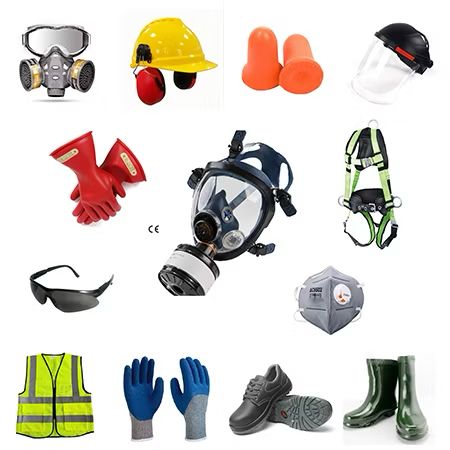
- As the body may have decomposed over time, this can result in the spread of bodily fluids and the potential presence of harmful pathogens. Cleaning professionals are trained to handle these biohazards with appropriate personal protective equipment (PPE) to ensure safety during the clean-up.
- Removal of Contaminated Materials:
- Some materials such as fabrics, carpets, or furniture may be beyond cleaning and need to be removed and safely disposed of. The cleaning service ensures that these items are disposed of in an environmentally responsible manner.
- Cleaning and Decontamination:
- Using industrial-grade cleaning agents, disinfectants, and deodorisers, the cleaning team sanitises all affected surfaces. Ozone machines and antimicrobial treatments may be used to eliminate harmful pathogens and lingering odours.
- Odour Removal and Deodorising:
- Decomposition can result in strong, unpleasant odours. Professional cleaning companies often use advanced technologies such as ozone treatments or air scrubbers to neutralise these odours and restore a fresh, clean environment.
- Final Inspection:
- Once cleaning is completed, a final inspection ensures that all areas have been properly sanitised and that no traces of the death or contamination remain.

Why is Unattended Death Cleaning Necessary?
Unattended deaths can create serious health hazards. Bodily fluids from the deceased may contain harmful pathogens, bacteria, viruses, and other contaminants that pose a risk to the health and safety of anyone entering the property. Professional unattended death cleaning services are necessary to:
- Prevent Health Hazards: Decomposing bodies and bodily fluids can become breeding grounds for dangerous bacteria and pathogens. Proper cleaning reduces the risk of infections or disease transmission.
- Restore the Property: The emotional and physical toll caused by an unattended death can leave the property in a state that is difficult to restore. A professional cleaning service can return the space to a safe and habitable condition.
- Ensure Legal Compliance: Handling and disposing of biological waste, such as human remains and bodily fluids, is highly regulated by law. Specialist cleaners are trained in compliance with health and safety regulations to ensure all actions are legally sound.
Who Needs Unattended Death Cleaning Services?
Unattended death cleaning services are essential for various individuals and organisations, including:
- Family Members or Loved Ones: When a person passes away alone, family members may be left with the difficult task of cleaning up. Professional cleaning services can relieve them of this burden and ensure the process is carried out safely and appropriately.
- Landlords and Property Owners: If a tenant or property owner passes away alone and is not discovered for some time, landlords or property owners may need to arrange for an unattended death clean-up to prepare the property for future use or tenants.
- Real Estate Agents: In cases where a property has experienced an unattended death, real estate agents often require professional cleaning services to make the property suitable for resale or renting.
- Insurance Companies: Insurance firms may need cleaning services to help restore properties after unattended deaths, ensuring they are safe and habitable for future occupants.
- Emergency Responders: Emergency responders may refer the deceased’s family to professional cleaning services to handle the aftermath of an unattended death in the home.
What to Expect from an Unattended Death Cleaning Service
- Trained and Certified Professionals: Companies offering unattended death cleaning services employ staff who are specially trained in biohazard handling, health and safety protocols, and industry best practices. They are well-equipped to manage the risks and emotional aspects of the job.
- Compassionate and Discreet Services: Cleaning services understand the emotional toll such incidents can have on families and offer compassionate, non-judgemental, and discreet services to maintain privacy and dignity.
- Full Compliance with Health and Safety Regulations: Reputable cleaning companies follow all relevant health and safety regulations, such as those set by the Health and Safety Executive (HSE) in the UK, ensuring that the clean-up process is completed safely and legally.
- Insurance and Liability Coverage: Professional cleaning companies will have the appropriate insurance to cover any potential liabilities during the clean-up, offering peace of mind to property owners and family members.
Unattended death cleaning is a specialised service requiring knowledge, skill, and sensitivity. If you find yourself in need of such services, it is essential to engage a professional cleaning company experienced in handling biohazard clean-ups and adhering to the relevant regulations and safety protocols. Choosing a reputable provider ensures the clean-up is carried out safely, thoroughly, and compassionately, giving you or the property owner peace of mind and allowing them to move forward with confidence.

Sudden death can occur for various reasons:
and it is typically defined as an unexpected death that happens within an hour of the onset of symptoms. It can occur in individuals with or without pre-existing health conditions, and the causes can range from natural to accidental. Below are several key causes of sudden death:
1. Cardiac Causes (Heart-Related)
- Heart Attack (Myocardial Infarction): A blockage in one of the coronary arteries that supply blood to the heart muscle can cause a heart attack. This is a common cause of sudden death, particularly in individuals with coronary artery disease.
- Arrhythmia: Abnormal heart rhythms, such as ventricular fibrillation or tachycardia, can lead to the heart failing to pump blood effectively, resulting in sudden cardiac arrest.
- Sudden Cardiac Arrest (SCA): This occurs when the heart suddenly stops beating due to electrical malfunctions, often caused by arrhythmias. It can happen in people with or without known heart disease.
- Cardiomyopathy: This is a disease of the heart muscle that can cause the heart to become enlarged, thickened, or stiff, potentially leading to a fatal arrhythmia or heart failure.
- Aortic Dissection: A tear in the wall of the aorta (the main artery carrying blood from the heart) can cause severe bleeding, leading to sudden death.
2. Respiratory Causes
- Pulmonary Embolism: A blood clot that travels to the lungs can block blood flow, leading to sudden shortness of breath, chest pain, and in some cases, sudden death.
- Severe Asthma Attack: In rare instances, severe asthma attacks can lead to the inability to breathe, resulting in fatal outcomes if not treated promptly.
- Choking: Sudden obstruction of the airway, such as choking on food or foreign objects, can cause a lack of oxygen and lead to death if the blockage is not cleared in time.
3. Neurological Causes
- Stroke: A sudden disruption of blood flow to the brain (either due to a blocked or burst blood vessel) can cause a stroke, which may lead to death if the damage is severe enough and not treated rapidly.
- Brain Aneurysm: A sudden rupture of a weakened area in the brain’s blood vessels (known as an aneurysm) can cause severe bleeding and result in rapid death.
- Severe Epileptic Seizure: In rare cases, a prolonged seizure or status epilepticus (seizures lasting more than five minutes) can cause fatal complications, particularly in individuals with epilepsy.
4. Trauma and Accidents
- Accidental Injuries: Car accidents, falls, or blunt force trauma can cause sudden death. Severe trauma to vital organs can result in rapid blood loss or organ failure, leading to death.
- Drowning: Drowning occurs when a person is unable to breathe due to submersion in water, leading to oxygen deprivation and potentially fatal outcomes.
- Electrocution: A sudden electrical shock can cause cardiac arrest or severe injury to vital organs, sometimes leading to sudden death.
5. Drug Overdose
- Opioid Overdose: Opioids such as heroin, morphine, or prescription painkillers can depress the respiratory system, leading to respiratory failure and death.
- Alcohol Poisoning: Acute alcohol poisoning can cause a person’s breathing or heart rate to slow to a fatal level.
- Stimulant Overdose: Overdose of stimulants such as cocaine or methamphetamine can cause fatal arrhythmias, seizures, or organ failure.
6. Infections
- Sepsis: A severe, systemic response to infection (sepsis) can lead to shock and organ failure, resulting in sudden death if not identified and treated rapidly.
- Meningitis: Inflammation of the protective membranes covering the brain and spinal cord can lead to sudden death, particularly in children or those with weakened immune systems.
7. Other Causes
- Hypertensive Crisis: Extremely high blood pressure can cause acute damage to blood vessels in the heart or brain, potentially leading to heart failure or a stroke, which can result in sudden death.
- Anaphylaxis: A severe allergic reaction that causes rapid swelling, difficulty breathing, and low blood pressure, can lead to death without immediate intervention.
- Endocrine Disorders: Conditions like diabetic ketoacidosis (DKA), particularly in undiagnosed or poorly managed diabetes, can result in sudden death if left untreated.
Sudden death can be caused by a variety of medical, accidental, or trauma-related factors. Understanding the potential risks and underlying conditions can help individuals take preventive measures or seek medical advice when necessary. In some cases, sudden death can be unavoidable, but many causes can be mitigated with early detection, proper management, or lifestyle changes. It is important to seek medical attention if experiencing symptoms of any of the conditions listed above, especially for those with known risk factors.

What to do if you witness an unattended death
1. Ensure Your Own Safety
- Do not touch or move the body: If you find someone who has passed away, it is important not to touch or move the body. There may be signs of trauma, infection, or evidence that could be crucial for investigations. Disturbing the scene can also interfere with medical or legal procedures.
- Stay calm: Try to remain composed and avoid panicking. It’s important to keep a clear head in order to take appropriate action.
2. Assess the Situation
- Check for signs of life: If you believe the person is unconscious or unresponsive, check for signs of life, such as breathing, pulse, or movement. If there are any signs of life and you haven’t already called for help, call emergency services immediately.
- Look for any obvious signs of foul play: If you notice any signs of injury, blood, or other indicators that could suggest foul play, make a note of them, but do not touch or move anything at the scene.
3. Call Emergency Services (999)
- Dial 999: In the UK, if you find an unattended death, the first thing you need to do is call emergency services. This will typically involve contacting the police, as they will need to investigate the death. You will also likely need to notify paramedics, even if it appears the person has been deceased for some time.
- Provide accurate information: When calling emergency services, be sure to provide clear and accurate information. This includes the exact location, the condition of the body, and any details you may have about the deceased or the situation. Be honest and transparent about what you have observed.
4. Secure the Area
- Isolate the scene: If you are able to, secure the area to ensure no one else enters the scene. If possible, close doors or mark off the area until the authorities arrive. This helps preserve any potential evidence.
- Avoid contaminating the scene: Do not touch, move, or disturb anything in the immediate area. The authorities will need to assess the scene carefully for any clues about the cause of death.
5. Cooperate with Authorities
- Provide any relevant information: Once emergency services arrive, be prepared to provide them with any relevant details you have about the situation. This may include how you discovered the body, whether you were in contact with the deceased prior to their passing, or if there were any unusual circumstances surrounding the discovery.
- Do not speculate about the cause of death: It is essential to avoid jumping to conclusions about the cause of death. Leave that to the medical professionals and investigators. You may be asked to give a statement or provide information that could help with the investigation.
6. Mental Health and Support
- Seek emotional support: Witnessing an unattended death can be emotionally overwhelming. You may experience shock, grief, or anxiety. It is important to talk to someone you trust or seek professional help if needed. Talking to a counsellor or therapist can help process the experience.
- Offer support to others: If you know the deceased personally, it may be necessary to notify close family members or friends. However, be mindful of how and when you deliver this information, as it can be distressing. Seek guidance from authorities or support services if you are unsure.
7. Next Steps (After the Authorities Arrive)
- Coroner’s involvement: In the case of an unattended death, the authorities will likely involve the coroner to determine the cause of death. The coroner may arrange for a post-mortem examination to establish whether the death was due to natural causes, an accident, or foul play.
- Funeral arrangements: Once the authorities have concluded their investigation, the body may be released to a funeral director, who will handle the burial or cremation arrangements. If the person had no known relatives or friends, the local authorities may handle the funeral arrangements.

8. Dealing with the Aftermath of an Unattended Death
- Professional cleaning services: If the unattended death took place in a home or private space, you may need to arrange for a professional biohazard cleaning service. These cleaning specialists are trained to safely and respectfully clean areas where there has been a death, ensuring that the area is decontaminated and restored to a safe, hygienic condition. It is crucial to use professional cleaners who are trained in handling sensitive situations and following health and safety regulations.
- Addressing emotional impacts: In the aftermath of such an event, there can be emotional and psychological impacts for those involved. It is important to take care of your mental health and seek professional help if necessary.
Finding an unattended death can be a shocking and distressing experience. It is important to remain calm, ensure your safety, contact emergency services, and cooperate with the authorities. Avoid disturbing the scene, and seek emotional support after the event. Professional cleaning services may be required to safely address the area where the death occurred. Always approach the situation with compassion, discretion, and respect for the deceased and their loved ones.
List all the biohazards which may be present after an unattended death
After an unattended death, a variety of biohazards may be present due to the decomposition process, the presence of bodily fluids, and other environmental factors. These biohazards pose significant health risks and must be handled by trained professionals using the appropriate personal protective equipment (PPE) and following proper decontamination procedures. Below is a list of the biohazards that may be present after an unattended death:
1. Blood
- Blood is one of the most common biohazards in unattended death situations. Bloodborne pathogens such as HIV, Hepatitis B, and Hepatitis C can be present in the blood, posing a risk of transmission through direct contact or exposure to contaminated surfaces.
2. Bodily Fluids
- Other bodily fluids, including urine, faeces, vomit, and saliva, may be present at the scene of an unattended death. These fluids can carry pathogens such as bacteria, viruses, and parasites, posing significant health risks to anyone who comes into contact with them.
3. Decomposing Tissue
- As the body decomposes, tissue breakdown releases various pathogens. The decomposing body may leak fluids, which can contaminate surrounding areas. Bacteria and fungi can thrive in the decomposing matter, leading to additional risks.
4. Pathogens
- Decomposition creates an environment that fosters the growth of harmful pathogens, including:
- Bacteria (e.g., Clostridium species, which can cause gas gangrene)
- Fungi (e.g., Aspergillus and Mucor, which can cause respiratory issues)
- Viruses (such as the Norovirus, which can lead to gastrointestinal issues)
5. Faecal Matter
- If the deceased person had been incontinent or unable to care for themselves before death, faecal matter may be present in the vicinity. Faecal matter can carry E. coli, Salmonella, Campylobacter, and Clostridium difficile (C. diff), all of which can cause severe gastrointestinal illness.
6. Mould and Mildew
- Decomposition, combined with environmental factors such as poor ventilation or moisture, can lead to the growth of mould and mildew. These fungi can produce harmful spores that pose a health risk, particularly to individuals with respiratory conditions, allergies, or weakened immune systems.
7. Rodents and Insects
- In some unattended death cases, pests such as rats, mice, cockroaches, or flies may infest the area. These pests can carry diseases and bacteria, and their presence can increase the spread of contamination in the area.
- Insects, particularly flies, may infest the body during decomposition and may leave behind larvae, which can further contaminate surfaces and increase health risks.
8. Odour
- As the body decomposes, odours produced by bacteria and decaying tissue can be overwhelming. While the smell itself is not directly harmful, it can indicate the presence of harmful gases and bacteria that can pose health risks.
9. Chemical Contaminants
- If the deceased person was a substance user or lived in an environment with chemical exposure (e.g., drug residues, cleaning chemicals, or other hazardous materials), the area may be contaminated with dangerous chemical substances. In cases of drug overdoses, substances like fentanyl, heroin, or methamphetamines could pose significant risks to those handling the scene.
10. Pest Droppings and Urine
- Rodents and other pests may leave behind urine and faecal matter, which can contaminate the environment. These waste products can carry diseases such as Leptospirosis, Hantavirus, and Salmonella.
11. Sharp Objects
- In some cases, sharp objects such as needles, broken glass, and cutting instruments may be present. These items present a risk of physical injury and can further spread infections if they come into contact with bodily fluids.
12. Contaminated Furniture or Personal Items
- Furniture, bedding, or personal items in the area may become contaminated with bodily fluids, blood, or pathogens. Items such as clothing, mattresses, or sofas that come into direct contact with bodily fluids should be carefully handled and cleaned.
13. Hoarding Materials (if applicable)
- If the property is a hoarding environment, there may be large amounts of waste, trash, food remnants, and old clothing that have accumulated over time. These materials may be contaminated with mould, bacteria, or pests, adding to the risks in the environment.
14. Gases
- The decomposition of the body may also release gases such as ammonia, methane, and sulphur compounds. These gases are not only unpleasant but can also pose respiratory risks if inhaled in large quantities.
15. Syringes or Drug Paraphernalia
- If the deceased was a drug user, there may be syringes, spoons, needles, or other drug paraphernalia present at the scene. These objects may still contain traces of drugs or infectious material, and handling them can result in injury or illness if not dealt with safely.
Cleaning after an unattended death requires careful attention to the biohazards present at the scene. To ensure safety and proper decontamination, it is crucial that trained professionals handle the situation with the right equipment, knowledge, and experience. This includes using appropriate PPE, following strict health and safety guidelines, and employing specialised cleaning methods to manage the various biohazards effectively. If you or someone you know is dealing with the aftermath of an unattended death, it is advisable to contact a professional biohazard cleaning company that specialises in these sensitive and hazardous situations.