Highly Trusted Cleaning Company

Over 100 property cleaning and clearance services for your home and business!

Top Notch Cleaning Services by UK’s Most Trusted Cleaning Company

Wed, 18 November phone lines are open.

Email Us Pay Now +447506709450 Book Online

Over 100 property cleaning and clearance services for your home and business!

Top Notch Cleaning Services by UK’s Most Trusted Cleaning Company

Wed, 18 November phone lines are open.

Email Us Book Online Pay Now +447506709450
caring-cleaning-services
fully-accountable-cleaning-services
respectful-cleaning-services

Why Choose Our Trauma Cleaning Services

We're ready to help in an emergency

We’re ready to help
in your emergency

When you need specialist cleaners or an urgent property remedial and restoration in an emergency situation or a trauma scene, we're ready to help with our rapid response call outs any time of the day, any day of the week - all year round.

Fast emergency response

Fast emergency
response

We're quick to respond. Our team is strategically positioned throughout the length and breadth of the UK, and enable us to achieve a 1-hour response time (or better) in 98% of call-outs during 2024.

Fully accredited & insured for your assurance.

Fully accredited & insured
for your assurance

We're accredited members of the nation's most respected industry certification bodies such as being a top-tier waste carrier and fully insured with with public liability and employers liability.

eco-friendly-cleaning-services

Specialist Cleaning Services

We offer 24/7 free online cleaning estimates, providing eco-friendly cleaning services with a focus on reliability and efficiency. By employing local staff and supporting preventive, remedial, and restoration solutions, we empower and strengthen our communities.

Contact Us

Specialist Trauma Cleaning Services

Trauma cleaning services involve the professional cleaning, sanitisation, and decontamination of areas affected by traumatic events such as crime scenes, accidents, suicides, or unattended deaths. These services use specialised equipment, disinfectants, and techniques to safely remove biohazards like blood, bodily fluids, and decomposition materials, ensuring the area is safe and habitable. Trauma cleaners are trained to handle sensitive situations with empathy, discretion, and professionalism while adhering to strict health and safety guidelines.
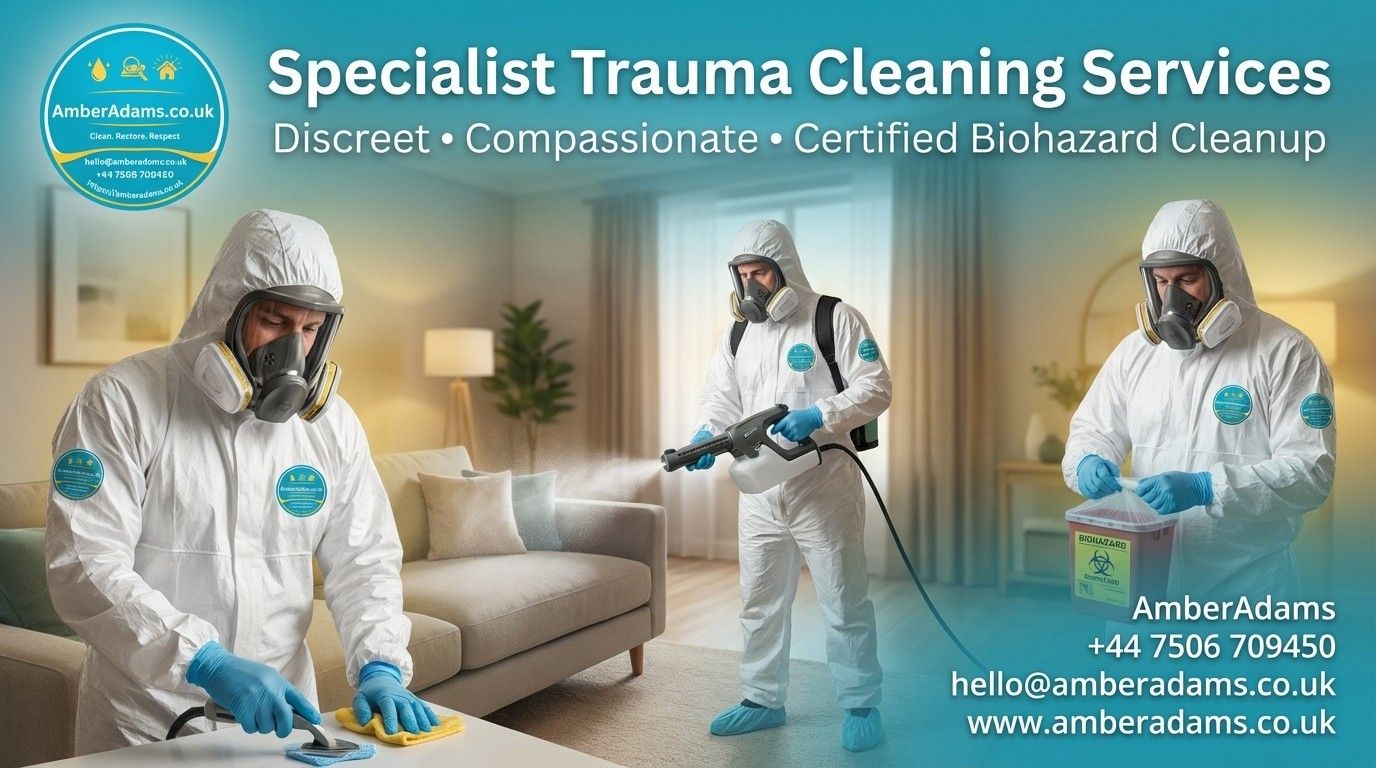
Specialist Trauma Cleaning Services

Professional Trauma Cleaning Company in UK.

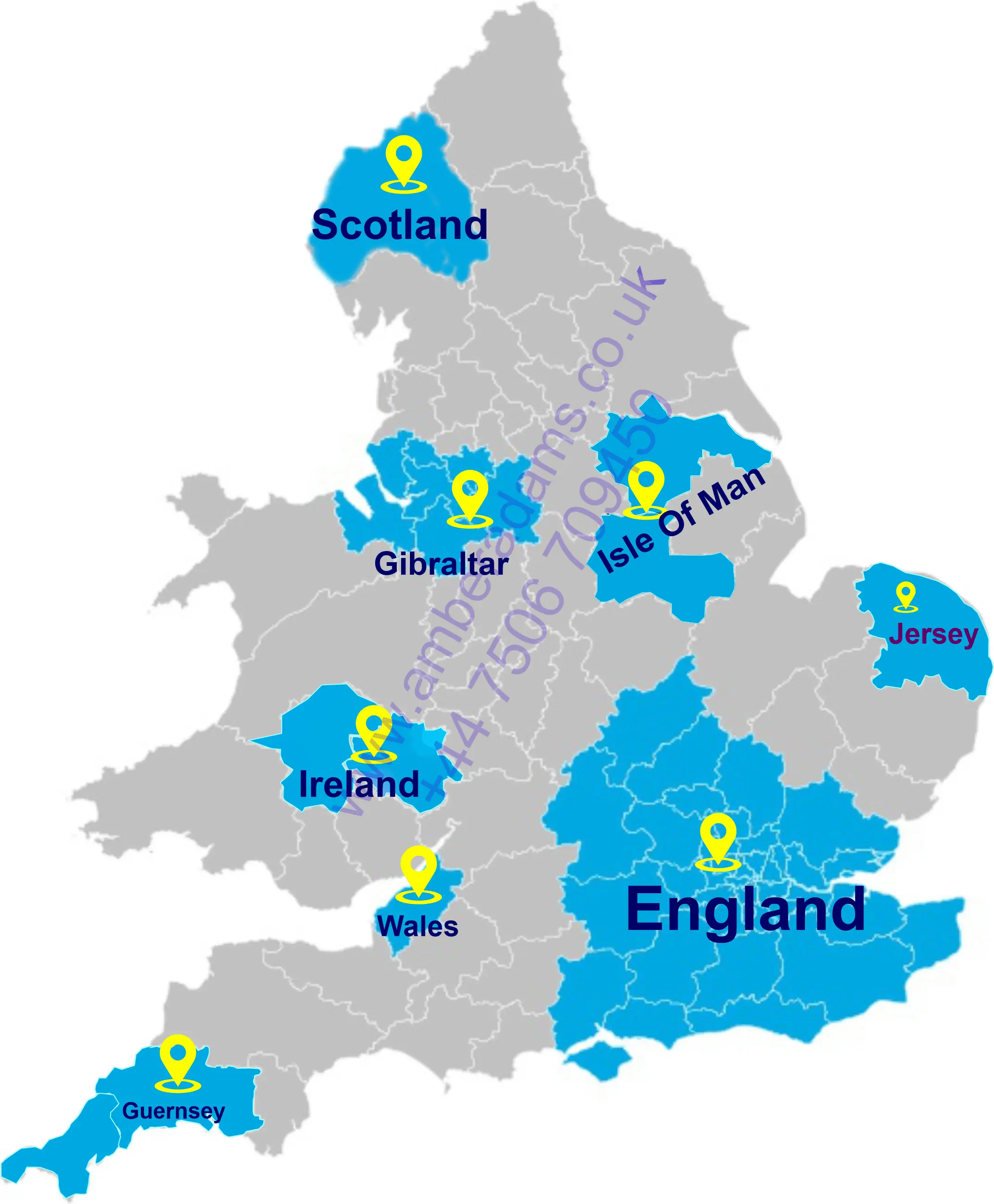
Choosing Amber Adams for trauma cleaning services across England, Scotland, Wales, Ireland, Jersey, Guernsey, Isle of Man, Gibraltar, and the British Virgin Islands offers several compelling reasons, making it the ideal choice for clients across diverse regions, including major cities, towns, villages, suburbs, and local borough councils.

1. Nationwide Reach and Local Expertise

and you can call on +44 7506 709450

Amber Adams provides trauma cleaning services to all areas across the UK, including England, Scotland, Wales, Northern Ireland, as well as Jersey, Guernsey, Isle of Man, Gibraltar, and the British Virgin Islands. Whether you’re in major cities like London, Manchester, Birmingham, Glasgow, Edinburgh, Cardiff, Belfast, or smaller towns and villages like St Albans, Aberystwyth, Inverness, Derry, and Penzance, Amber Adams ensures a rapid, local response no matter the location.

2. Comprehensive Coverage of Boroughs and Suburbs

Amber Adams’ services extend to all boroughs and suburban areas, including but not limited to:

  • Greater London Boroughs: Westminster, Camden, Hackney, Croydon, Islington, and more.
  • Cities and Suburbs: Sheffield, Newcastle, Leeds, Liverpool, Bristol, Dundee, and Aberdeen, along with surrounding suburban and rural areas.
  • Rural and Regional Areas: Amber Adams is equipped to handle trauma cleaning in remote areas like the Scottish Highlands, Cornish coastal villages, and islands such as the Isle of Man and the Channel Islands (Jersey and Guernsey).
  • Council Areas: Serving various local borough councils like Manchester City Council, Bristol City Council, Edinburgh City Council, and many others across the country.

Emergency Trauma Cleaning Company in UK.

3. Industry-Leading Service Across Multiple Locations

Amber Adams has established a strong reputation for delivering high-quality trauma cleaning services that are compliant with local regulations and health standards across a range of areas:

  • England: From busy cities like London, Birmingham, and Manchester to quieter towns like Basingstoke, Woking, and Luton, Amber Adams provides quick, efficient, and thorough cleaning solutions.
  • Scotland: Whether in urban centres like Glasgow and Edinburgh, or smaller towns like Dundee, Inverness, and Stirling, Amber Adams’ specialists can promptly address trauma cleaning needs.
  • Wales: Serving both large cities like Cardiff, Swansea, and Newport, and more remote villages, Amber Adams’ cleaning professionals offer fast, empathetic service.
  • Northern Ireland: From Belfast to Derry and Armagh, Amber Adams is ready to deliver trauma cleaning in both urban and rural settings.

4. Specialised in High-Risk, Sensitive Cleaning

Amber Adams offers highly specialised trauma cleaning services for any kind of traumatic event including:

  • Crime scenes (e.g., homicides, assaults, or accidents)
  • Suicide and self-harm incidents
  • Decomposition clean-ups (e.g., unattended deaths)
  • Accidental injury clean-ups The company uses advanced tools, hospital-grade disinfectants, and follows strict health and safety protocols to decontaminate spaces and ensure they are safe and habitable.

5. Exceptional Compassion and Discretion

Amber Adams recognises the emotional toll trauma events can have on families and individuals. They are renowned for their empathetic and discreet approach, ensuring clients feel supported, respected, and informed throughout the process. The company ensures that all team members work with sensitivity and respect, providing you with peace of mind during a challenging time.

6. Efficient and Fast Response Time

With service coverage in major metropolitan areas as well as remote regions, Amber Adams guarantees a rapid response. Whether you need urgent trauma cleaning in the heart of London, Edinburgh, Dublin, or in a smaller, more remote area like Isle of Skye, County Antrim, or the British Virgin Islands, Amber Adams prioritises quick deployment of its cleaning teams to prevent further damage or health risks.

7. Fully Insured and Certified

Amber Adams is fully insured and certified to handle biohazardous waste disposal and trauma cleaning services in compliance with local regulations across the UK and abroad. This ensures that the service is not only safe but also fully legal and in line with health and safety standards, whether in England, Scotland, Wales, Ireland, or overseas territories like Jersey, Guernsey, Gibraltar, and the British Virgin Islands.

Trauma Cleaning Specialists in UK.

8. Tailored Services for Different Regions

Each region presents unique challenges and needs. Amber Adams customises its trauma cleaning services to meet the specific requirements of each area, considering factors such as:

  • Urban areas (e.g., Manchester, Birmingham, Cardiff) where faster service and larger-scale equipment might be needed.
  • Rural and isolated areas (e.g., Scottish Highlands, Cornish coastal towns, or the Isle of Man) where the logistics of travel might require additional coordination.
  • Island locations like Jersey, Guernsey, and the British Virgin Islands, where there might be unique shipping or local disposal regulations.

9. Leading Technology and Environmental Responsibility

Amber Adams uses cutting-edge cleaning technology to ensure that spaces are decontaminated without causing harm to the environment. They follow environmentally-friendly practices when disposing of biohazardous waste and cleaning materials, ensuring that their services are sustainable while maintaining the highest standards of safety and cleanliness.


Whether you are located in bustling cities like London, Manchester, and Edinburgh, or in remote regions of the Scottish Highlands, Isle of Man, Gibraltar, or the British Virgin Islands, Amber Adams offers consistent, reliable, and professional trauma cleaning services. Their extensive nationwide and international coverage ensures that they are always ready to provide fast, discreet, and effective cleaning solutions, regardless of where you are located in the UK or its overseas territories. With their compassionate approach, trained experts, and commitment to health and safety, Amber Adams is the top choice for trauma cleaning services.

List Of Common Traumas:

1. Physical Trauma

  • Definition: Injury to the body, often due to accidents, violence, or natural disasters.
  • Examples: Broken bones, burns, concussions, car accidents, or sports injuries.

2. Emotional (Psychological) Trauma

  • Definition: Psychological damage resulting from distressing or harmful experiences that affect mental health and emotional well-being.
  • Examples: Abuse, bullying, the death of a loved one, divorce, or a sudden traumatic event.

3. Psychological Trauma

  • Definition: This type of trauma arises from experiences that overwhelm an individual’s ability to cope, leading to long-term emotional or psychological distress.
  • Examples: PTSD (Post-Traumatic Stress Disorder), flashbacks, anxiety, depression, or dissociation.

4. Developmental Trauma

  • Definition: Traumatic experiences during childhood that hinder the normal development of an individual’s emotional, social, and cognitive growth.
  • Examples: Neglect, abandonment, emotional, physical or sexual abuse, or witnessing domestic violence.

5. Complex Trauma

  • Definition: Prolonged or repeated exposure to trauma, often occurring in a context where the victim feels powerless or trapped.
  • Examples: Ongoing abuse, trafficking, or living in a war zone.

6. Acute Trauma

  • Definition: A single, isolated traumatic event that causes immediate emotional distress.
  • Examples: A car crash, a natural disaster, a physical assault, or a sudden loss.

7. Chronic Trauma

  • Definition: Prolonged exposure to traumatic experiences, often leading to long-term emotional, physical, and mental health issues.
  • Examples: Long-term abuse, ongoing exposure to violence, or living in an unsafe environment.

8. Vicarious Trauma (Secondary Trauma)

  • Definition: Trauma experienced by those who witness or hear about the traumatic experiences of others, often in caregiving or helping professions.
  • Examples: First responders, therapists, or social workers who witness traumatic events or hear about them regularly.

9. Cultural Trauma

  • Definition: Trauma experienced by a group of people due to collective historical events, such as genocide, slavery, or colonization, which affect their cultural identity.
  • Examples: The Holocaust, the displacement of Indigenous peoples, or slavery.

10. Collective Trauma

  • Definition: Trauma that affects a group or society, usually resulting from large-scale events that impact many people.
  • Examples: Wars, natural disasters, pandemics, or large-scale societal crises.

11. Intergenerational Trauma

  • Definition: Trauma that is passed down from one generation to another, often affecting descendants of individuals who experienced the original trauma.
  • Examples: Children or grandchildren of Holocaust survivors or the descendants of families affected by historical oppression.

What harms traumas can cause to human health/life?

Trauma, whether physical, emotional, or psychological, can have profound and long-lasting effects on human lives. The impact of trauma varies depending on the nature, severity, and duration of the event, as well as the individual’s coping mechanisms, support systems, and resilience. Here’s an overview of the potential harm that trauma can cause to human lives:

1. Physical Harm

  • Injuries and Disabilities: Physical trauma, such as that resulting from accidents, violence, or natural disasters, can lead to serious injuries like broken bones, burns, spinal cord damage, or organ damage. In some cases, these injuries can result in permanent disability, affecting mobility, independence, and quality of life.
  • Chronic Pain: Even after initial recovery, trauma-related physical injuries can cause long-term pain or discomfort, which can affect mental and emotional well-being.
  • Compromised Health: Physical trauma can also weaken the immune system, making individuals more vulnerable to illness and disease. People who experience severe physical trauma may have a diminished ability to heal or recover from other health conditions.

2. Emotional and Psychological Harm

  • Post-Traumatic Stress Disorder (PTSD): Trauma, particularly from events like war, violence, or abuse, can result in PTSD. This condition causes symptoms such as flashbacks, nightmares, intrusive thoughts, anxiety, and hypervigilance. It can significantly impact a person’s ability to function normally in daily life.
  • Depression and Anxiety: Traumatic events can lead to mental health issues such as depression, anxiety, and panic disorders. A person may feel hopeless, detached, or excessively worried after experiencing trauma.
  • Survivor’s Guilt: People who have survived traumatic events (such as accidents, violence, or war) may experience survivor’s guilt, feeling responsible for the suffering or death of others. This can lead to feelings of shame, self-blame, and emotional distress.
  • Difficulty with Relationships: Trauma can affect an individual’s ability to trust others or form healthy relationships. Those who have experienced trauma, especially during childhood, may struggle with attachment, leading to difficulties in personal, familial, or romantic relationships.
  • Disassociation and Emotional Numbing: Some trauma survivors may detach from their emotions or reality as a coping mechanism, which can result in disassociation or a feeling of being disconnected from themselves and others.

3. Cognitive and Developmental Harm

  • Impaired Cognitive Function: Trauma can impact memory, concentration, and decision-making. People who have experienced severe trauma may find it difficult to focus, remember details, or make decisions, which can affect work, study, and daily functioning.
  • Developmental Delays in Children: In children, trauma can interfere with normal cognitive and emotional development. Traumatic experiences, particularly in early childhood, can affect learning, emotional regulation, social skills, and the ability to cope with stress.
  • Difficulty with Self-Esteem: Traumatic events, particularly those that involve abuse or neglect, can severely impact a person’s sense of self-worth. This can lead to issues with low self-esteem, self-criticism, or an overall negative self-image.

4. Behavioural Harm

  • Substance Abuse: In an attempt to cope with the emotional pain of trauma, some individuals may turn to alcohol, drugs, or other substances as a form of self-medication. Substance abuse can lead to addiction, health problems, and a cycle of worsening trauma symptoms.
  • Risk-Taking Behaviours: Trauma survivors may engage in reckless or self-destructive behaviour, such as unsafe sexual practices, dangerous driving, or self-harm, as a way of coping with emotional pain or dissociation.
  • Aggression and Violence: Some individuals, particularly those who have experienced violence or abuse, may become more prone to anger, aggression, or violent behaviour. This can affect relationships and lead to social isolation or legal issues.

5. Social and Economic Harm

  • Social Isolation: Trauma can lead to withdrawal from social interactions or support networks. People who have experienced trauma may feel alienated or unable to relate to others, leading to social isolation and a lack of emotional support.
  • Economic Impact: The effects of trauma can impair a person’s ability to work or perform daily tasks, which can result in lost income, job instability, and financial hardship. Chronic trauma can also lead to long-term medical expenses related to physical or mental health care.
  • Family and Relationship Strain: Trauma can place a significant strain on family relationships. Family members may struggle to understand or support the affected individual, which can lead to conflict, breakdowns in communication, and even separation or divorce.

6. Long-Term Effects on Health

  • Chronic Illness and Disease: The long-term effects of trauma, particularly unresolved emotional or psychological trauma, can manifest in physical symptoms like chronic pain, headaches, gastrointestinal problems, or autoimmune disorders. Stress from trauma can also contribute to cardiovascular issues and other chronic conditions.
  • Suicidal Thoughts and Behaviours: Individuals who experience severe trauma, especially over a prolonged period, may struggle with thoughts of suicide or self-harm as a way to escape the overwhelming pain and distress.

7. Impact on Future Generations (Intergenerational Trauma)

  • Transmission of Trauma: In some cases, trauma can be passed down through generations. Children of trauma survivors may be affected by the emotional or behavioural effects of their parents’ trauma, even if they did not directly experience the traumatic event. This is often referred to as intergenerational trauma, where patterns of behaviour, emotional struggles, and mental health issues are passed down.

Trauma can cause a wide range of harm, affecting every aspect of an individual’s life, including physical health, emotional well-being, cognitive function, and social connections. The consequences of trauma can last for months, years, or even a lifetime if not properly addressed. Early intervention, therapy, support systems, and appropriate medical or psychological care are crucial in helping individuals recover and heal from traumatic experiences. It’s important to acknowledge the profound and often invisible impact trauma can have, and to provide compassionate support to those affected.

What are trauma cleaning services?

Trauma cleaning services are specialised cleaning and restoration services that deal with the aftermath of traumatic events, where cleaning and disinfecting go beyond regular cleaning due to the potential health hazards and emotional sensitivities involved. These services are often required after violent incidents, accidents, or deaths. They are typically handled by professional cleaning companies trained in biohazardous waste removal and dealing with sensitive situations.

Here are some examples of what trauma cleaning services include:

1. Crime Scene Cleanup

  • What it involves: Cleaning up blood, bodily fluids, and other biohazards following violent crimes such as homicides, assaults, or suicides. The clean-up includes not only removing visible contaminants but also disinfecting and deodorising the affected areas to ensure a safe environment.
  • Why it’s necessary: Crime scenes often contain dangerous pathogens, bodily fluids, and other health risks. Professional cleaners ensure that these areas are thoroughly sanitised.

2. Suicide and Homicide Clean-up

  • What it involves: This includes the removal of blood, tissues, and other biological materials resulting from suicides or homicides. Specialised techniques are used to neutralise lingering odours and disinfect the area.
  • Why it’s necessary: These situations involve significant emotional and health risks. Professionals are trained to handle the clean-up while providing respectful service to those affected.

3. Accidental Injury Cleanup

  • What it involves: After a person suffers an injury (e.g., a severe fall or industrial accident) that causes blood or bodily fluids to spill, trauma cleaning services can ensure the area is properly cleaned and disinfected.
  • Why it’s necessary: Biohazards, like blood and bodily fluids, can spread diseases if not handled properly. Trauma cleaners use specialised equipment and chemicals to eliminate these risks.

4. Decomposition Cleaning (Biohazard Cleanup)

  • What it involves: Cleaning the site where a person has passed away, especially if the body was not discovered for an extended period, leading to decomposition. This requires handling strong odours, bodily fluids, and potential infectious material.
  • Why it’s necessary: Decomposition can result in the spread of bacteria, pathogens, and odours. Professional cleaners are trained to handle the hazardous materials involved and to ensure thorough sanitation.

5. Unattended Death Cleanup

  • What it involves: Cleaning and sanitising areas where a person has died and their body remained undiscovered for an extended period. This may involve dealing with decomposition and potential biohazards.
  • Why it’s necessary: Similar to decomposition, unattended deaths can lead to harmful bacteria and pathogens. Professional cleaners remove biological materials, sanitise, and deodorise the area.

6. Blood Cleanup

  • What it involves: Cleaning up blood that may have spilled due to injury, accident, or crime. Blood can carry diseases such as HIV, Hepatitis, or other bloodborne pathogens.
  • Why it’s necessary: Blood and bodily fluids pose a serious health risk if not cleaned properly. Trauma cleaners use certified methods to ensure the area is safe and sanitised.

7. Hoarding Cleanup

  • What it involves: Cleaning homes or spaces that are overwhelmed with excessive belongings, debris, or even biological waste. Hoarding situations may also involve biohazardous materials like mould, decayed food, or animal waste.
  • Why it’s necessary: Hoarding can cause unsanitary living conditions that pose health risks, and professionals must ensure the space is thoroughly cleaned while respecting the emotional nature of the situation.

Key Aspects of Trauma Cleaning Services:

  • Discretion and Sensitivity: The individuals performing these services are trained to handle traumatic and sensitive situations with care and respect for the people involved.
  • Biohazard Cleanup and Disinfection: Trauma cleaning involves special protocols for safely removing biohazardous materials and ensuring areas are sanitised and safe for re-entry.
  • Odour Removal: Strong odours from blood, decomposition, or other biological materials often require professional deodorising services.
  • Insurance Coverage: In some cases, trauma cleaning services may be covered by home insurance, especially in the event of an accident or death in a home.

Overall, trauma cleaning services ensure that areas affected by trauma are restored to a clean, sanitised, and safe condition, minimising health risks and offering a degree of peace of mind to those affected.

What is included in trauma cleaning services?

Trauma cleaning services involve a range of specialised tasks aimed at thoroughly cleaning and sanitising spaces affected by traumatic events, such as accidents, crimes, or deaths. These services go beyond standard cleaning due to the nature of the biohazards and emotional sensitivities involved. Here is what is typically included in trauma cleaning services:

1. Assessment of the Scene

  • Initial evaluation: A professional trauma cleaner will assess the scene to determine the extent of contamination, the types of biohazards present (e.g., blood, bodily fluids, chemicals), and the safety measures needed.
  • Risk assessment: Identifying potential health risks such as exposure to pathogens or harmful chemicals.

2. Containment of the Area

  • Securing the scene: Establishing safety perimeters to prevent cross-contamination and protecting other areas of the property.
  • Preventing further contamination: Using barriers or protective coverings to isolate the affected area.

3. Removal of Biohazards

  • Blood and bodily fluids: The primary task of trauma cleaning is to safely remove blood, tissues, bodily fluids, and other biohazardous materials that can carry diseases (e.g., HIV, Hepatitis).
  • Body tissue or remains: In cases of violent death or severe injury, any remains or body tissue are carefully removed according to biohazard protocols.
  • Contaminated materials: Any items or materials that cannot be adequately cleaned or decontaminated (e.g., carpets, upholstery, personal belongings) may need to be disposed of.

4. Disinfection and Sanitisation

    • Decontamination: After biohazardous materials are removed, the area is thoroughly disinfected using hospital-grade cleaners and sanitising agents to neutralise pathogens.
    • Surface cleaning: All surfaces, including walls, floors, furniture, and other items, are cleaned and sanitised to remove any contamination.
    • Sanitisation: Specialised chemicals are used to kill bacteria, viruses, and fungi, ensuring the area is safe for re-entry.

Specialist Carpet, Storm Damage & Mental Health Breakdown Cleaning

Our expert team provides safe, efficient, and professional cleaning solutions tailored to your property needs. Explore these services:
Carpet Cleaning Services
Deep carpet cleaning to remove dirt, stains, and allergens, leaving floors fresh and revitalised.
Storm Damage Cleaning Services
Comprehensive cleaning and recovery after storm damage, restoring properties to a safe condition.
Mental Health Breakdown Cleaning Services
Sensitive and professional cleaning support for properties impacted by mental health breakdowns, restoring hygiene and dignity.

Request Help Now
Contact our team today for immediate assistance, quotes, or to schedule a professional cleaning service.

5. Odour Removal

  • Deodorisation: Professional trauma cleaners use advanced techniques and equipment (such as ozone machines, air scrubbers, or enzymatic deodorisers) to neutralise strong odours caused by bodily fluids, decomposition, or other contaminants.
  • Long-lasting freshness: The goal is to completely eliminate odours rather than just masking them.

6. Restoration of the Area

  • Cleaning and restoration: In some cases, trauma cleaning services include restoring affected areas to their original state by repairing any damage caused during the traumatic event (e.g., replacing damaged flooring, repainting, or refurbishing).
  • Structural repairs: If necessary, some companies also offer minor repair services for structural damage that may have occurred (though extensive repairs may require specialists in restoration or construction).

7. Safety Protocols and Compliance

  • Proper disposal: Biohazardous materials are disposed of in compliance with local regulations, ensuring safe and environmentally responsible handling.
  • Personal protective equipment (PPE): Trauma cleaners wear specialised PPE, such as gloves, masks, goggles, and full-body suits, to protect themselves from exposure to harmful materials.
  • Compliance with health regulations: The service ensures that all cleaning and disposal processes adhere to strict health and safety guidelines.

8. Insurance Coordination

  • Insurance claims: Some trauma cleaning companies assist in handling insurance claims, providing documentation, photographs, and detailed reports to support the claim process.
  • Cost coverage: In certain cases, the cost of trauma cleaning services may be covered by home insurance, particularly for incidents such as accidents, suicides, or deaths that occur in a home.

9. Sensitive Handling of Personal Items

  • Respect and compassion: Trauma cleaners approach the process with sensitivity and respect for the emotional nature of the situation, handling personal items with care.
  • Discreet service: Professionals are trained to work discreetly, ensuring that the cleaning process does not add to the distress of those affected by the traumatic event.

10. Post-Cleanup Monitoring

  • Follow-up checks: Some companies may offer follow-up services to ensure that the cleaning has been thoroughly completed, and the area remains safe and odour-free.
  • Final inspection: A final inspection ensures that all potential biohazards are removed, and the area is fully disinfected.

Trauma cleaning services are comprehensive and highly specialised, focusing not only on cleaning but also on ensuring that the area is safe and hygienic while considering the emotional and psychological effects on those affected. These services are provided by trained professionals who understand both the technical and compassionate aspects of the work.
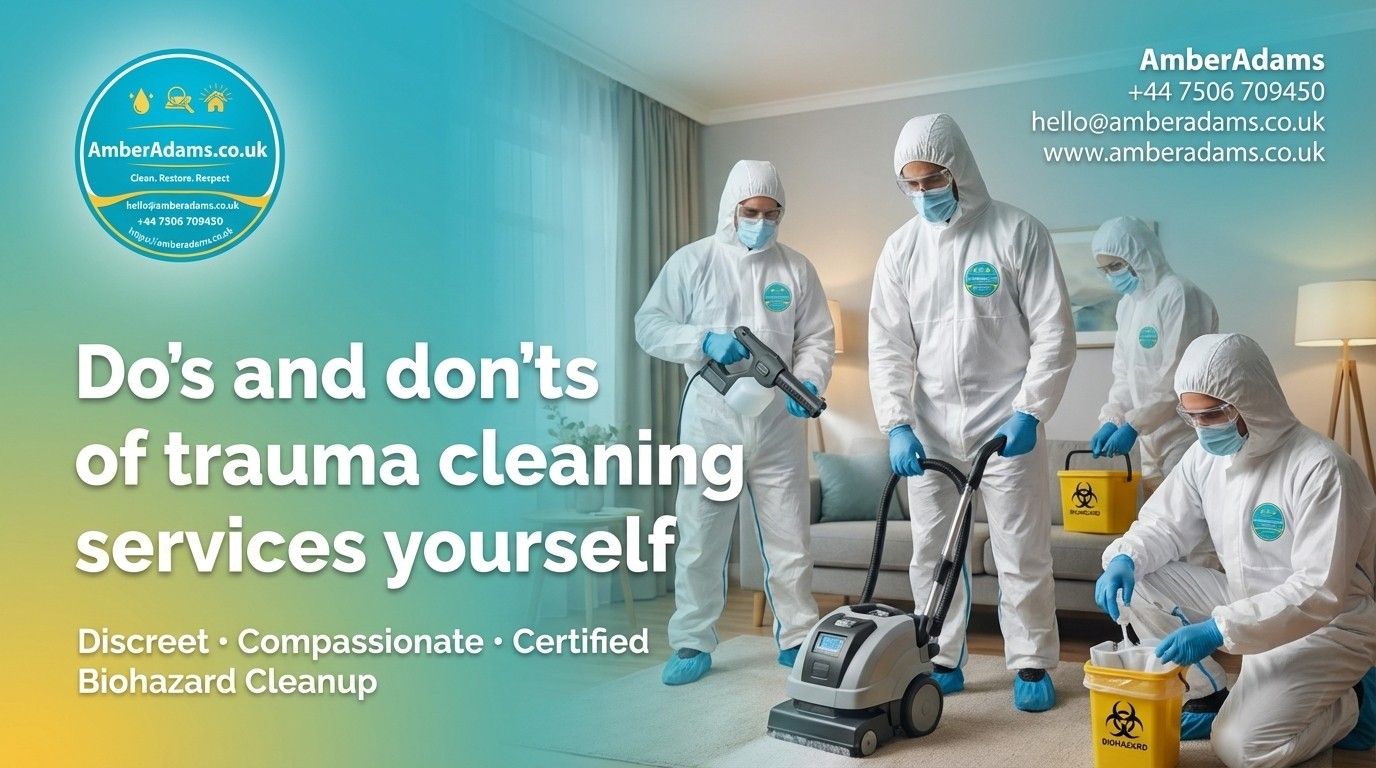
Do’s and don’ts of trauma cleaning services yourself

If you are considering attempting trauma cleaning services yourself, it’s important to be aware of the potential hazards and sensitivities involved. Trauma cleaning is a specialised service that requires proper training, equipment, and safety protocols. Here are the dos and don’ts for attempting trauma cleaning on your own: and you can call on +44 7506 709450
Do's and don'ts of trauma cleaning services yourself

Dos

  1. Do Prioritise Safety
    • Wear appropriate personal protective equipment (PPE) such as gloves, masks, goggles, and body suits to protect yourself from biohazards like blood, bodily fluids, or harmful pathogens.
    • Use respirators or N95 masks if you’re cleaning an area with hazardous materials like mould or strong chemicals.
  2. Do Understand the Risks
    • Bloodborne pathogens such as HIV, Hepatitis, and other diseases can be transmitted through bodily fluids. Make sure you understand the health risks involved before attempting trauma cleaning.
  3. Do Isolate the Area
    • Restrict access to the affected area. Use barriers or tape to prevent others from entering the contaminated space and spreading pathogens.
  4. Do Have Proper Cleaning Supplies
    • Use hospital-grade disinfectants that are proven to kill viruses, bacteria, and fungi. Ensure you have the right tools like absorbent cloths, biohazard bags, cleaning agents, and sanitising wipes.
  5. Do Dispose of Contaminated Materials Properly
    • Ensure that any materials contaminated by bodily fluids, such as fabrics, clothing, or cleaning tools, are properly disposed of in biohazard bags and in compliance with local disposal regulations.
  6. Do Consider the Emotional Impact
    • Trauma cleaning often involves dealing with highly sensitive situations, such as cleaning up after a suicide, homicide, or accident. Approach the task with respect and consider the emotional toll it might take on yourself and others involved.
  7. Do Contact a Professional If Unsure
    • If you’re unsure or feel overwhelmed, it’s crucial to contact a professional trauma cleaning service. They have the training, tools, and experience to handle the situation safely and efficiently.
  8. Do Document the Scene
    • Before starting, if possible, take photos of the scene. Documentation can be helpful for insurance purposes or if legal proceedings are involved.

Don’ts

  1. Don’t Handle Biohazards Without Training
    • Never attempt to clean up blood or other bodily fluids without proper knowledge of safe handling and cleaning procedures. Improper cleaning can lead to cross-contamination and serious health risks.
  2. Don’t Use Regular Cleaning Products
    • Household cleaning products like surface cleaners or bleach may not be effective in killing harmful bacteria or viruses that may be present. Always use specialised disinfectants for biohazard cleanup.
  3. Don’t Risk Your Health
    • Don’t try to clean up if you’re not wearing proper protective gear. Biohazardous materials can lead to severe infections or diseases if you’re exposed.
  4. Don’t Overlook the Need for Deodorisation
    • Trauma cleaning involves more than just removing visible contamination. Deodorisation is critical to eliminate lingering odours caused by blood, decomposition, or other substances.
  5. Don’t Assume All Items Can Be Saved
    • Some items may be too contaminated to be cleaned and reused, such as heavily soiled furniture, carpets, or personal items. Dispose of contaminated items appropriately if they can’t be safely cleaned.
  6. Don’t Try to Clean a Large or Dangerous Area
    • For large-scale incidents (e.g., crime scenes or unattended deaths), trauma cleaning is a task best left to professionals with the proper equipment, such as industrial cleaners and disinfecting tools, as well as experience in handling large-scale biohazard situations.
  7. Don’t Ignore Legal and Insurance Considerations
    • Trauma cleaning can have legal and insurance implications. Don’t dispose of items or make irreversible changes to the scene before consulting with insurance providers or legal authorities. Insurance claims might require specific documentation.
  8. Don’t Forget Emotional Support
    • If you’re cleaning up after a traumatic event, it’s important to be aware of the emotional impact on yourself or others involved. Trauma cleaning can be very distressing, so don’t hesitate to seek emotional or psychological support if needed.

While cleaning up a traumatic scene may seem like something you could handle, it involves many risks—both physical and emotional—that make it a task best left to professionals. If you must attempt trauma cleaning yourself, always prioritise safety, use the correct cleaning and disinfecting agents, and understand the emotional toll of the job. If in doubt, contacting a professional trauma cleaning service is always the best and safest option.

Trauma Cleaning Services Checklist

A Trauma Cleaning Services Checklist is a detailed guide that ensures a comprehensive, safe, and effective cleaning process after traumatic events. This checklist is typically followed by professional trauma cleaners, but can also serve as a reference if you’re looking to understand the essential steps involved in trauma cleaning.

Here’s a Trauma Cleaning Services Checklist that covers the key steps:


1. Initial Assessment and Safety

  • Conduct a Risk Assessment: Evaluate the scene to determine potential health hazards (e.g., bloodborne pathogens, chemicals, mould).
  • Assess the Extent of Contamination: Identify the types of contamination (blood, bodily fluids, decomposition, chemicals, etc.).
  • Determine the Need for Specialised Equipment: Consider if the scene requires advanced cleaning tools (e.g., ozone machines, industrial air scrubbers, etc.).

2. Scene Isolation and Protection

  • Set Up Barriers and Warning Signs: Ensure the area is cordoned off to prevent accidental exposure.
  • Wear Personal Protective Equipment (PPE): All personnel should be in full PPE, including gloves, masks, goggles, hazmat suits, and boot covers.
  • Ensure Ventilation and Airflow: If possible, ventilate the area to reduce odours and airborne contaminants.

3. Removal of Biohazardous Materials

  • Dispose of Contaminated Items: Any items that are too contaminated (e.g., furniture, textiles, carpets) should be safely removed and placed in biohazard waste bags.
  • Blood and Bodily Fluids: Carefully remove blood, bodily fluids, and tissues, using proper disinfectants and techniques to minimise risk of exposure.
  • Decomposition Clean-up: For unattended deaths or decompositions, carefully remove biological remains and sanitise the area.

4. Cleaning and Disinfection

  • Surface Cleaning: Clean all affected surfaces (e.g., floors, walls, furniture) with hospital-grade disinfectants designed to neutralise harmful pathogens.
  • Use of Antibacterial and Antifungal Agents: Apply antimicrobial solutions to kill bacteria, viruses, fungi, and other harmful microorganisms.
  • Deep Cleaning of HVAC and Ventilation Systems: If necessary, clean ventilation ducts and air filters to eliminate lingering biohazards and odours.

5. Odour Removal

  • Neutralisation of Odours: Use air scrubbers, ozone generators, or deodorising agents to neutralise any strong or lingering odours (from blood, decay, etc.).
  • Ensure Air Quality: Run air purifiers or other equipment to ensure the air is safe to breathe and free of contaminants.

6. Sanitisation and Decontamination

  • Sanitise all Surfaces: After cleaning, ensure all surfaces, including countertops, fixtures, and appliances, are thoroughly sanitised.
  • Use of Disinfecting Wipes: Wipe down smaller surfaces, including light switches, doorknobs, and other frequently touched objects.
  • Chemical Treatments: Apply specialised decontamination chemicals to affected areas to ensure a thorough clean.

7. Restoration and Repair (if required)

  • Minor Repairs: Address minor repairs such as replacing damaged furniture, fixing flooring, or repainting walls (if included in the service).
  • Reinstallation of Furniture/Belongings: Reinstall or replace any cleaned or restored furniture, appliances, or personal items (if necessary).
  • Inspect the Area: Perform a final inspection to ensure the area is safe, clean, and restored to a habitable condition.

8. Final Inspection and Documentation

  • Conduct a Walkthrough: Perform a thorough walkthrough to ensure no areas have been overlooked and that all cleaning tasks have been completed.
  • Photographic Documentation: Take photographs of the cleaned area (before and after) for insurance or legal purposes (if applicable).
  • Client Approval: Ensure that the client or property owner is satisfied with the work done, and sign off on the completed job.

9. Disposal and Waste Management

  • Dispose of Biohazardous Waste Properly: Ensure that all biohazardous materials (blood, tissues, contaminated clothing) are disposed of according to local regulations.
  • Safe Disposal of Cleaning Tools: Safely dispose of or disinfect any cleaning tools, such as rags, sponges, or brushes, that may have been exposed to contamination.
  • Waste Management Compliance: Ensure compliance with all local, state, or federal regulations regarding the disposal of biohazard waste.

10. Post-Cleaning Monitoring

  • Follow-Up: Arrange for a follow-up visit or inspection if necessary, to ensure that the area remains clean and safe.
  • Provide Recommendations: Offer suggestions for ongoing cleaning, maintenance, or additional support if needed, especially in cases of persistent odours or health concerns.

Additional Considerations

  • Insurance Coordination: Assist with insurance claims, if needed, by providing documentation of the cleaning process and any associated costs.
  • Sensitive Handling: Show empathy and respect throughout the process, particularly if the trauma involved is related to a personal loss or family tragedy.
  • Discreetness: Ensure all actions are taken in a discreet and professional manner to maintain the privacy and dignity of the individuals involved.

This checklist ensures that trauma cleaning is performed with thoroughness and care, addressing both the physical and emotional challenges associated with such sensitive tasks. Always consider contacting a professional trauma cleaning service if the task is too complex or if you’re unsure about how to handle the situation safely.

Trauma Cleaning Price Estimate:

write the above post for UK
ChatGPT said:
ChatGPT

The cost of trauma cleaning services in the UK can vary significantly depending on several factors, including the type of trauma, the size of the affected area, the severity of contamination, and the specific location. Below is an overview of the factors that influence the price of trauma cleaning and general cost ranges for services in the UK.

Factors Affecting Trauma Cleaning Prices in the UK

  1. Type of Trauma:
    • Crime Scene Cleanup: This typically involves cleaning up blood, bodily fluids, and biohazardous materials following violent crimes, accidents, or homicides. Due to the need for specialised equipment and the handling of sensitive materials, crime scene cleaning tends to be more expensive.
    • Decomposition or Unattended Death Cleanup: This type of cleaning involves dealing with the aftermath of a body that has been deceased for some time. It requires the removal of biological remains and often complex sanitisation and deodorisation.
    • Suicide Cleanup: Involves cleaning up blood and other bodily fluids, often requiring professional care due to the emotional sensitivities involved.
    • Accidental Injury Cleanup: If the trauma results from an accident, the costs are generally lower compared to more serious events like homicide or decomposition.
  2. Size of the Affected Area:
    • The larger the area affected, the higher the cost. Trauma cleaning services are often priced based on the square footage of the space that needs cleaning.
  3. Severity of Contamination:
    • Extensive contamination (such as large amounts of blood or decomposition materials) will require more time, specialised products, and equipment, driving up the overall cost of the cleaning service.
  4. Location:
    • Costs can vary across the UK depending on the region. Larger cities like London may have higher rates due to the cost of living and operational expenses. Rural areas may offer slightly lower prices but can still have high rates due to the need for specialised services.
  5. Access and Complexity:
    • If the affected area is difficult to access (e.g., high-rise buildings, confined spaces), the cost of cleaning may increase. Additionally, more complex cleanups involving hazardous materials or difficult-to-reach areas will add to the price.
  6. Urgency and Time of Service:
    • Emergency or out-of-hours services, such as cleaning up a recent crime scene or suicide, may incur additional charges due to the immediate response required.
  7. Additional Services:
      • Some trauma cleaning services include extra treatments like odour removal, deodorisation, or even structural repairs (e.g., replacing flooring or repainting walls). These extra services will be factored into the overall cost.

    Specialist Sharps, Pest Infestation & Extreme Cleaning

    Our expert team provides safe, efficient, and professional cleaning solutions tailored to your property needs. Explore these services:
    Sharps Removal Services
    Safe and responsible removal of sharps and hazardous materials, ensuring compliance and safety.
    Pest Infestation Cleaning Services
    Thorough cleaning and sanitisation to eliminate pest infestations and restore hygienic conditions.
    Extreme Cleaning Services
    Specialist extreme cleaning for challenging environments, restoring safety and cleanliness.

    Request Help Now
    Contact our team today for immediate assistance, quotes, or to schedule a professional cleaning service.

General Pricing Ranges for Trauma Cleaning in the UK

Although prices can vary based on the factors mentioned above, here are some general price ranges for trauma cleaning services in the UK:

  1. Basic Crime Scene or Blood Cleanup:
    • £200 to £500 per hour: This rate is typically for smaller, less complex jobs such as cleaning blood or bodily fluids from accidents or minor injuries.
    • £3 to £7 per square foot: For larger areas where blood or bodily fluids need to be cleaned.
  2. Suicide Cleanup:
    • £800 to £2,500: For cleaning up after a suicide, the cost can vary depending on the level of contamination and size of the affected area. In some cases, this cost can rise to £3,000 or more for more severe contamination.
  3. Decomposition or Unattended Death Cleanup:
    • £1,000 to £4,000 or more: Cleaning up after an unattended death, particularly involving decomposition, requires thorough cleaning, sanitisation, and deodorisation. The cost can increase if there’s significant damage or if specialised odour removal is needed.
  4. Hoarding Cleanup:
    • £500 to £3,500: Hoarding cleanups can vary significantly in cost depending on the scale of the hoarding and any biohazard contamination present. Severe hoarding cases requiring extensive cleaning and disposal may be at the higher end of the price range.
  5. Biohazard Waste Disposal:
    • £200 to £1,200 or more: Disposal of biohazardous materials such as contaminated clothing, furniture, or belongings can add to the total cost, especially if there are large quantities of material or complicated disposal needs.

Additional Costs

  • Odour Removal and Deodorisation: The cost for odour removal services typically ranges from £150 to £1,000, depending on the size of the space and the complexity of the odour (e.g., from decomposition or blood).
  • Structural Repairs or Replacements: If the trauma cleaning involves repairing or replacing damaged flooring, furniture, or walls, this can add £500 to £3,000 or more, depending on the extent of the damage and repairs needed.
  • Travel Fees: Some companies charge additional fees for travel, particularly if the location is outside their service area or in rural areas.

Insurance and Payment

In some cases, home insurance may cover the cost of trauma cleaning, particularly for incidents such as accidents, suicides, or violent crimes. It’s advisable to check with your insurance provider to determine if your policy covers trauma cleaning services and whether there are any out-of-pocket costs involved.

Many trauma cleaning companies in the UK also offer payment plans or financing options to help with the cost, especially for larger jobs or in cases of financial difficulty.

The cost of trauma cleaning services in the UK can range from £800 to £4,000 or more, depending on the severity of the trauma, the size of the area, and the specific services required. It’s important to get a detailed estimate from a professional service to understand the full cost involved. Additionally, it’s worth checking with your insurance provider, as some trauma cleaning services may be covered under certain circumstances. Always choose a certified and experienced trauma cleaning service to ensure the safety, effectiveness, and sensitivity of the cleaning process.

Here is a comprehensive list of Trauma Cleaning FAQs to help you understand the process, requirements, and considerations involved in trauma cleaning services:


1. What is trauma cleaning?

Trauma cleaning refers to the professional cleaning and decontamination of areas where a traumatic event has occurred, such as crime scenes, suicides, accidents, deaths, or other situations involving biohazardous materials like blood, bodily fluids, or decomposing organic matter. Trauma cleaners use specialised techniques, equipment, and disinfectants to ensure the area is safe and habitable.

2. Why can’t I clean up a trauma scene myself?

Cleaning a trauma scene yourself can be hazardous to your health and safety. Biohazardous materials, like blood or bodily fluids, can carry dangerous pathogens such as HIV, Hepatitis, or other infectious diseases. Additionally, trauma scenes often require specialised cleaning products, disinfectants, and equipment that the average person doesn’t have access to. Furthermore, trauma cleaning can be emotionally distressing, and professionals are trained to handle such situations sensitively and respectfully.

3. What types of situations require trauma cleaning?

Trauma cleaning services are needed in a variety of situations, including:

  • Crime scenes: Homicides, assaults, or accidents involving blood and bodily fluids.
  • Suicide scenes: Cleanup following a suicide, which may involve blood and other bodily fluids.
  • Decompositions/Unattended deaths: Cleaning and sanitising areas where a body has decomposed, often resulting in a difficult-to-remove odour.
  • Accidents: Accidents involving blood, bodily fluids, or other hazardous materials.
  • Hoarding situations: Cleanups in hoarding environments, which may also involve biohazards or significant contamination.

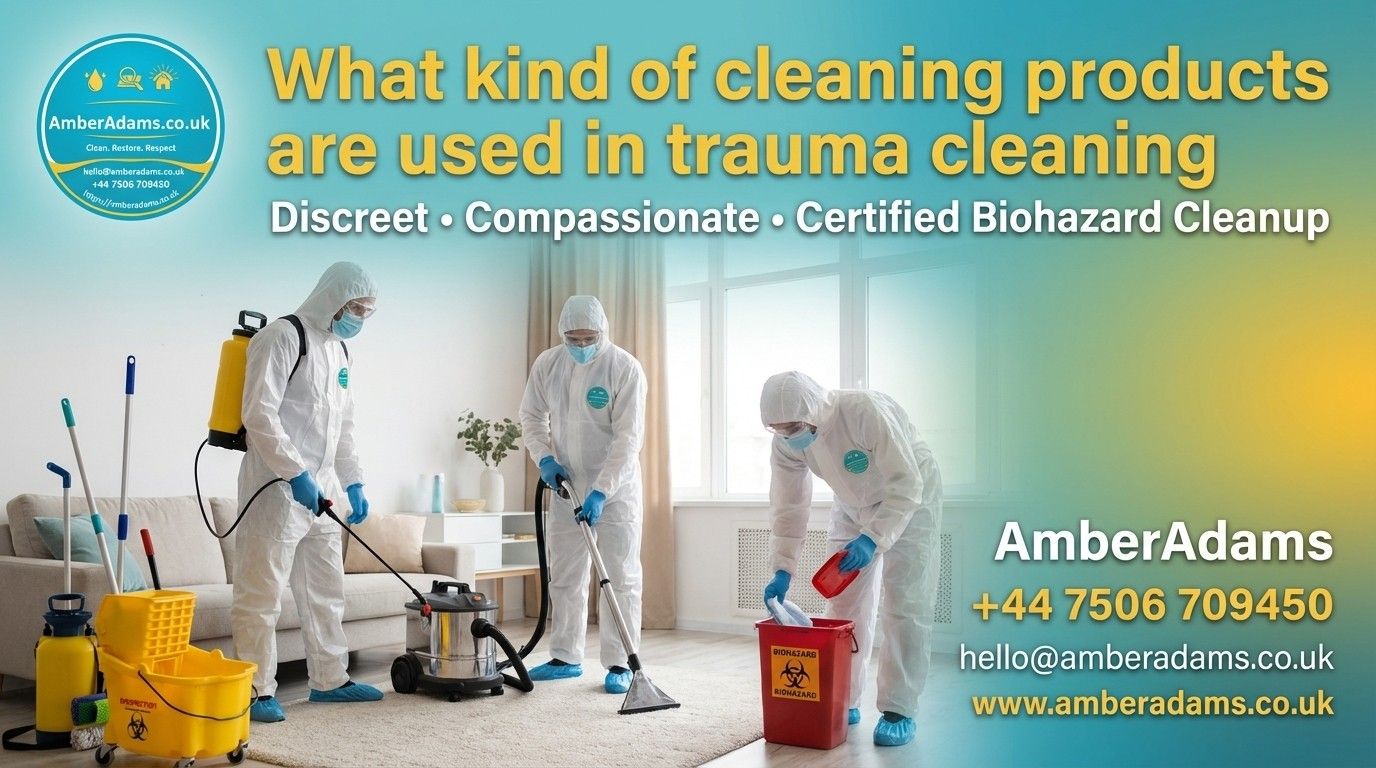
4. What kind of cleaning products are used in trauma cleaning?

Professional trauma cleaners use hospital-grade disinfectants and antimicrobial cleaning products that are specifically designed to eliminate harmful pathogens like bacteria, viruses, and fungi. These products are often stronger than typical household cleaners and are effective in killing bloodborne pathogens and other dangerous microorganisms. Additionally, deodorising agents or ozone machines may be used to neutralise odours caused by blood or decomposition.and you can call on +44 7506 709450

What kind of cleaning products are used in trauma cleaning

5. How long does trauma cleaning take?

The duration of a trauma cleaning job depends on the size and severity of the affected area, as well as the extent of contamination. On average, cleaning a small area (e.g., a room or bathroom) could take between 4 to 6 hours, while larger or more complex scenes (e.g., decompositions, multiple rooms) could take one to several days. A professional cleaning service will assess the situation and provide an estimated timeline before starting.

6. How much does trauma cleaning cost?

The cost of trauma cleaning varies depending on factors such as the type of trauma, the size of the area, the severity of contamination, and location. On average, costs in the UK can range from £800 to £4,000 or more, with factors like additional repairs, odour removal, and emergency services potentially increasing the price. It’s important to request a detailed estimate before hiring a service.

7. Will insurance cover trauma cleaning costs?

In some cases, home insurance or business insurance may cover the cost of trauma cleaning, particularly if the cleaning is required due to incidents like a crime, suicide, or accidental death. However, coverage varies by policy and provider, so it’s important to check with your insurance company to see if trauma cleaning is covered and to ensure the service provider is recognised by your insurance company.

8. How do I choose a professional trauma cleaning service?

When selecting a trauma cleaning company, look for the following:

  • Certification and experience: Choose a service with trained, certified, and experienced professionals who follow industry standards for biohazard cleaning.
  • Insurance: Ensure the company is fully insured to handle biohazardous materials and cleaning operations.
  • Reputation: Check online reviews or ask for references to ensure the company is reliable and professional.
  • Discretion and sensitivity: Trauma cleaning often involves sensitive situations. Look for a company that is compassionate, discreet, and understanding of the emotional toll that trauma cleaning can take on individuals.

9. Do I need to be present during the cleaning?

You are not required to be present during the cleaning, but it’s often helpful to provide access to the affected area and any necessary instructions (e.g., to clarify the extent of contamination). Many trauma cleaning services offer to clean without requiring the client’s presence, ensuring privacy and minimising emotional distress. If you prefer to stay away, you can arrange a time for the cleaning company to do their work independently.

10. What happens to the contaminated materials?

Contaminated materials such as clothing, furniture, and bedding that cannot be salvaged are properly disposed of as biohazardous waste. Professional trauma cleaners follow strict guidelines and local regulations for the disposal of hazardous materials. These materials are safely transported and disposed of by certified waste management companies.

11. How do you handle the emotional impact of trauma cleaning?

Professional trauma cleaning companies understand the emotional weight of cleaning after a traumatic event. Their staff are trained not only in the technical aspects of cleaning but also in handling sensitive situations with respect and compassion. Many companies offer confidentiality, and some may even provide referrals for emotional or psychological support if needed.

12. What happens after the scene is cleaned?

After the cleaning process is complete, the area will be thoroughly sanitised, deodorised, and safe to return to. The company may offer a final inspection to ensure that all areas have been properly cleaned and that the space is habitable. Some companies may also offer follow-up visits or additional support for any further concerns.

13. Is the cleaning guaranteed?

Reputable trauma cleaning companies typically offer a satisfaction guarantee, ensuring that the cleaning is thorough and meets industry standards. If any areas are missed or if there are issues with the cleanliness or safety of the area, the company will typically return to rectify the issue.

14. Can trauma cleaning be done in stages?

In some cases, trauma cleaning can be done in stages, especially if the area is large, and certain sections need to be cleaned first (for example, a room with more significant contamination). However, professionals will usually prefer to complete the cleaning in one session to ensure the area is fully decontaminated. If necessary, the cleaning company will discuss any phased approach or multiple visits.

15. Are the cleaners trained in handling biohazardous materials?

Yes, professional trauma cleaners are highly trained in the safe handling and disposal of biohazardous materials. They are knowledgeable about the risks posed by bloodborne pathogens, bodily fluids, and decomposition, and are trained to work in accordance with health and safety guidelines. Many companies also adhere to UK legislation for biohazardous waste disposal and clean-up procedures.

16. What happens if the property has structural damage from the trauma?

In cases where the trauma has caused significant damage to the property (e.g., blood stains in the carpet, damaged walls, or flooring), trauma cleaning companies may be able to perform some basic repairs or advise on how to fix the damage. However, larger structural repairs may require the assistance of specialised contractors, such as builders or painters, to restore the property.

Trauma cleaning is a vital service that requires professionalism, expertise, and sensitivity. Whether dealing with crime scenes, suicides, accidents, or decompositions, trauma cleaning services are designed to ensure the area is safely decontaminated, sanitised, and restored. If you need trauma cleaning services, make sure to choose a reputable company that follows the necessary health and safety standards and can provide compassionate, discreet assistance.

1. Biohazard Cleaning – London

⭐️⭐️⭐️⭐️⭐️
Customer: Sarah W. (London)
“I cannot recommend Clean Safe Biohazard Cleaning enough. After a very traumatic event in my family, I needed their services to clean up a suicide scene. They were incredibly professional, respectful, and efficient. The team arrived quickly and worked with great sensitivity, which was much appreciated during such a difficult time. They also handled all the insurance paperwork, which made the process so much easier. The job was completed within a day, and the place was spotless, free of any odours or contamination. I felt safe returning to the property. Excellent service all around!”


2. Crime Scene Cleaners – Manchester

⭐️⭐️⭐️⭐️
Customer: Mark D. (Manchester)
“I hired Crime Scene Cleaners after an unfortunate accident in my home. They were prompt and thorough, with a clear understanding of the health risks involved. The team took their time to explain everything, so I felt reassured about the cleaning process. However, the cost was a little higher than I had expected. The final result was good, and they provided a certificate of decontamination, which I found useful for insurance purposes.”


3. Trauma Clean – Birmingham

⭐️⭐️⭐️⭐️⭐️
Customer: Jason F. (Birmingham)
“Trauma Clean was amazing! My family and I were devastated after an accident at home, and they handled the situation with the utmost care. They were discreet, empathetic, and quick to respond. The team worked tirelessly to sanitise the space, removing all traces of contamination. The team leader even checked in with me after the job was completed to ensure I was satisfied with the work. I highly recommend them if you need sensitive cleaning services.”


4. Biohazard Cleaning Services – Edinburgh

⭐️⭐️⭐️⭐️⭐️
Customer: Emily P. (Edinburgh)
“I had to call Biohazard Cleaning Solutions after an unfortunate event involving an unattended death in our family home. The crew arrived promptly, and I was impressed by their professionalism. They wore full PPE, explained the process clearly, and worked quickly and efficiently. The area was thoroughly sanitised, and they did an excellent job deodorising. They made sure that everything was taken care of, including waste disposal. Highly impressed and very grateful for their help.”


5. Trauma Cleaning Specialists – Glasgow

⭐️⭐️⭐️
Customer: Paul M. (Glasgow)
“The service was decent, but there were a few areas where I felt they could have been more thorough. I had them clean a property after a violent crime. They handled the cleaning well and did a good job with decontamination, but I found that some corners and hard-to-reach spots were missed. When I pointed this out, they returned the next day to correct it. Customer service was friendly, and I did appreciate the follow-up. However, I felt the initial job could have been a bit more meticulous.”


6. Biohazard Clean-Up Experts – Cardiff

⭐️⭐️⭐️⭐️⭐️
Customer: Rachel T. (Cardiff)
“I was beyond impressed with Biohazard Experts. After a traumatic event, I was overwhelmed by the cleanup, but their team made everything easier. They were efficient, respectful, and made sure to provide constant updates throughout the process. The area was left completely clean and sanitised, and any odours were gone. They even offered to help with insurance claims, which was a huge relief for me. Highly recommend them for anyone who needs professional trauma cleaning services.”


7. Best Trauma Cleaners UK – Leeds

⭐️⭐️⭐️⭐️
Customer: Sarah B. (Leeds)
“Trauma Cleaners UK did a great job cleaning up after an accidental death. The team was kind and took great care with the cleaning process. The area was left clean, and they took care of all the necessary waste disposal. The one downside was the cost—though I understand the complexity of the work involved. They were transparent about pricing upfront, and the job was completed to a high standard. If you’re looking for professional trauma cleaning, they are a good choice.”


8. The Biohazard Cleaning Company – Sheffield

⭐️⭐️⭐️⭐️⭐️
Customer: John S. (Sheffield)
“The Biohazard Cleaning Company were brilliant! After an accident, we needed quick and efficient cleaning, and they didn’t disappoint. They were respectful and mindful of our situation, which made the whole process much easier. The technicians were highly professional, and they ensured the space was thoroughly decontaminated. The pricing was fair for the level of service provided, and I felt safe returning to the property. I would definitely use their services again if needed.”


9. London Trauma Clean – London

⭐️⭐️⭐️⭐️⭐️
Customer: Hannah G. (London)
“I cannot recommend London Trauma Clean highly enough. When we discovered a family member had passed away unexpectedly, I was unsure how to proceed. London Trauma Clean stepped in quickly, offering their services with warmth and professionalism. They cleaned and disinfected the entire area, removed any odours, and made sure the space was livable again. The team’s attention to detail was fantastic, and they were very respectful throughout the process. A difficult experience made easier by their excellent service.”


10. Rapid Response Trauma Cleaning – Nottingham

⭐️⭐️⭐️⭐️
Customer: David P. (Nottingham)
“Rapid Response Trauma Cleaning did a thorough job cleaning up after a crime scene in our home. The service was prompt, and they took the necessary precautions to ensure the area was free from harmful bacteria. My only criticism was that there was some communication confusion about the start time, but they were very accommodating once the team arrived. The cleanup itself was excellent, and I was impressed with how quickly they finished the work. Overall, I would recommend them.”

Please Explore Our Other Services In Your Local Area:

Biohazard Cleaning Services

Have your property professionally deep cleaned and sanitised in 3 simple steps

1.

Book online Trauma Cleaning Services for your address

2.

We will send a fully equipped and protected Trauma Cleaning Services crew

3.

Our staff will treat the property well and provide a discreet and non-judgemental service

Always at your service, right where you are

We won’t let your cleaning and maintenance problems get to you. Besides providing quality home services in Trauma Cleaning Services, the skilled pros can also tidy up your garden or clean your home or office anywhere in South East and North West England. Here are some of the main locations we serve:
View all areas

Over 100 property cleaning and clearance services for your home and business!

Top Notch Cleaning Services by UK’s Most Trusted Cleaning Company

Wed, 18 November phone lines are open.

Email Us +447506709450